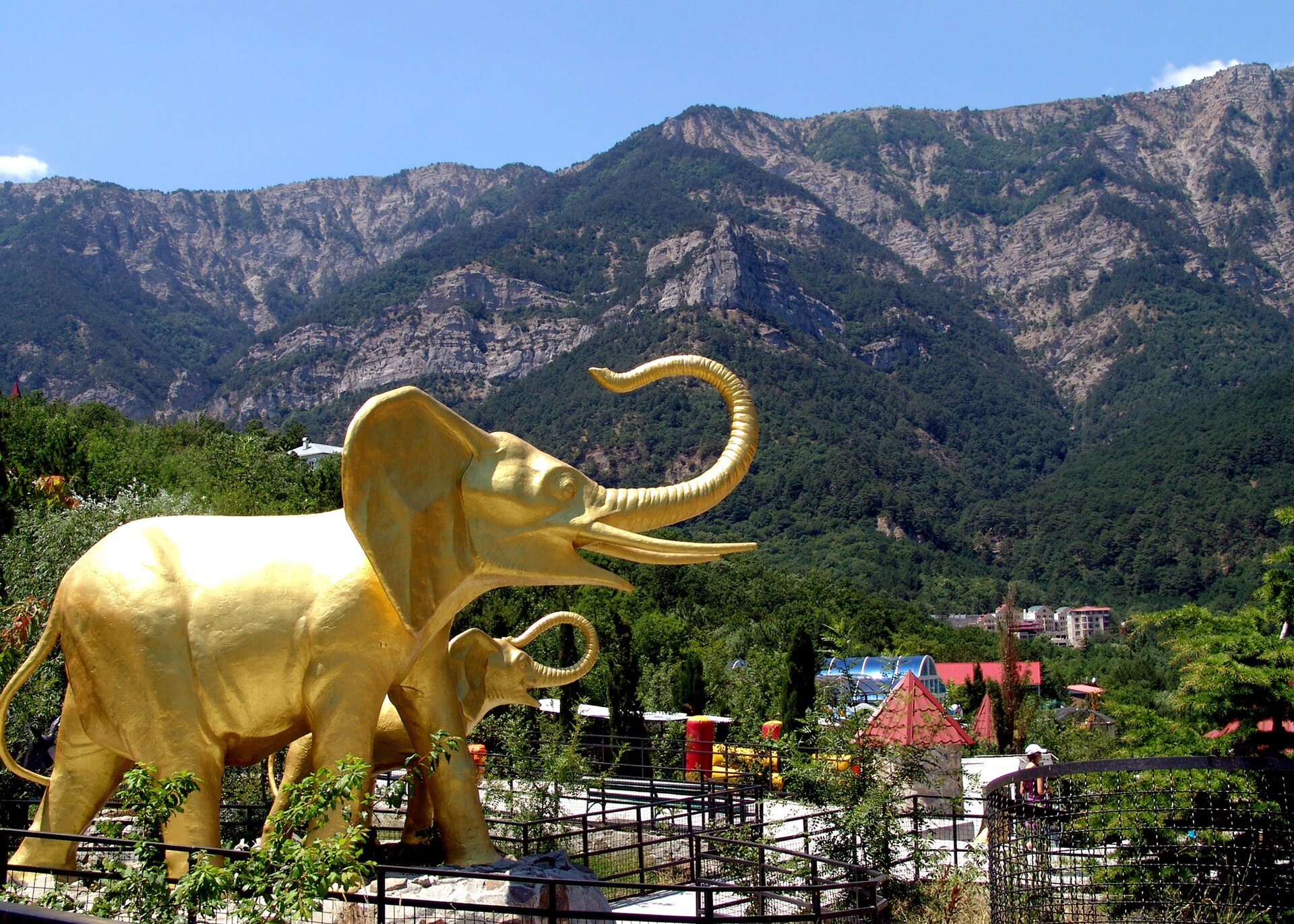
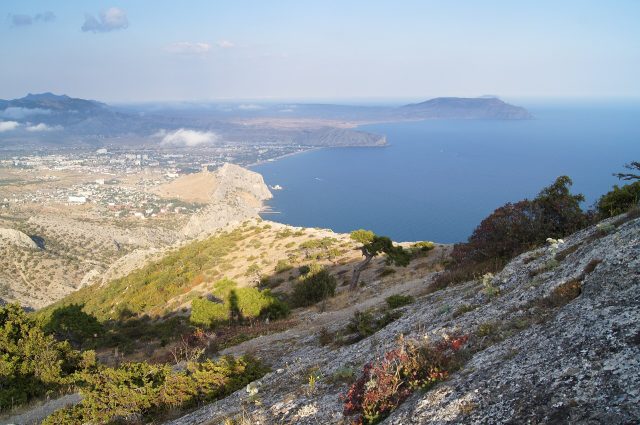
Perched on the slopes of Mount Darsan, just a short distance from the bustle of Yalta’s seaside promenades, the Yalta Zoo known as "Skazka" feels less like a traditional zoo and more like a hidden corner of the wild. The absence of towering fences and barred cages is the first thing that strikes visitors. Instead, the animals here live in spacious enclosures woven into the natural landscape, where trees shade winding paths and artificial streams trickle through the undergrowth. It’s a place where the line between observer and observed blurs, and where the animals, from lions to lemurs, seem to move with a quiet dignity that’s rare in captivity.
The zoo’s origins trace back to the mid-20th century, when Oleg Zubkov, a local visionary with a deep love for animals, set out to create something different. At a time when most zoos were little more than collections of exotic species confined to cramped cages, Zubkov dreamed of a place where animals could live in conditions as close to their natural habitats as possible. What began as a modest project grew into one of Russia’s most unconventional zoos, where the well-being of the animals has always taken precedence over spectacle. Even today, the philosophy remains the same: fewer species, but better lives for those who call Skazka home.
Walking through the zoo, it’s clear that the enclosures were designed with both the animals and visitors in mind. Predators like lions and tigers roam territories that mimic their native landscapes—rocky outcrops for climbing, shallow pools for cooling off, and open spaces for pacing. The big cats here aren’t hidden behind glass or metal bars; instead, they’re visible in motion, their powerful strides a reminder of the wild. Other animals, like the giraffes and zebras, graze in paddocks that blend seamlessly into the surrounding greenery, while smaller creatures, from foxes to raccoons, dart through enclosures that mirror the forests of Crimea.
The architecture of Skazka is as thoughtful as its approach to animal care. There are no rigid, symmetrical layouts here—just meandering paths that twist through the trees, revealing new sights at every turn. The entrance, styled like a fairy-tale castle, sets the tone for what’s to come: a place where imagination and reality intertwine. Waterfalls cascade down artificial cliffs, and wooden bridges arch over shallow streams, creating the illusion of a mountain retreat rather than a zoo. Even the signage is unobtrusive, blending into the environment rather than demanding attention.
Birds play a special role in the zoo’s ecosystem. In large, open-air aviaries, flamingos wade through shallow pools, their pink feathers vivid against the green backdrop, while parrots squawk from the branches overhead. Peacocks strut freely along the paths, their iridescent tails fanning out as they go, and ostriches peer curiously at visitors from behind low fences. For children, there’s a petting zoo where goats and rabbits can be fed, and a small farmyard where the rhythms of rural life unfold at a leisurely pace. It’s a reminder that even in a place dedicated to the exotic, there’s room for the familiar.
Skazka isn’t just about observing animals—it’s about understanding them. The zoo places a strong emphasis on education, with staff-led tours and talks that delve into the lives of its residents. Visitors might learn why flamingos are pink (hint: it’s all about their diet), how lions communicate through scent and sound, or why some animals, once bred in captivity, can never return to the wild. A small museum on the grounds houses exhibits on endangered species, offering a sobering counterpoint to the beauty of the zoo itself. It’s a place that invites reflection, not just admiration.
The climate of Crimea’s southern coast makes Skazka a year-round destination. Summers are cooler here than in the heart of Yalta, thanks to the mountain breezes, while winters are mild, with only the occasional frost. Spring and autumn are particularly magical, when the trees burst into color and the animals, freed from the extremes of summer heat or winter cold, become more active. The zoo is quieter during these seasons, too, making it the perfect time to wander the paths without the crowds. Even on busy days, the layout ensures that there are always quiet corners where you can sit and watch the world go by.
Unlike many tourist attractions, Skazka doesn’t feel like a place designed to impress. There are no flashy shows or high-tech exhibits, just the simple pleasure of being in nature. The zoo’s modest size and unhurried pace make it feel more like a sanctuary than a spectacle. Families with children will find plenty to keep them engaged—play areas, feeding stations, and a café with mountain views—but the real appeal lies in the slower, quieter moments. A child’s laughter as a peacock struts past, the rustle of leaves as a lemur leaps between branches, the distant roar of a lion echoing through the hills: these are the things that linger in the memory.
What makes Skazka truly special is its ability to evoke both wonder and melancholy. There’s a quiet sadness in seeing animals that will never know the freedom of the wild, but there’s also hope in knowing that places like this exist to protect them. The zoo doesn’t shy away from the complexities of captivity, nor does it romanticize the lives of its residents. Instead, it offers a space where visitors can connect with the natural world in a way that feels honest and unforced. It’s not just another stop on a tourist itinerary, but a place where the boundaries between human and animal, wild and tame, blur just enough to make you see the world a little differently.
For those visiting Yalta, Skazka is more than just a detour—it’s a chance to step away from the noise of the city and into a world where time moves at a gentler pace. Whether you come for the animals, the architecture, or simply the quiet, the zoo has a way of staying with you long after you’ve left. It’s a reminder that even in a world that often feels too fast and too loud, there are still places where nature, in all its beauty and fragility, can be seen and appreciated on its own terms.