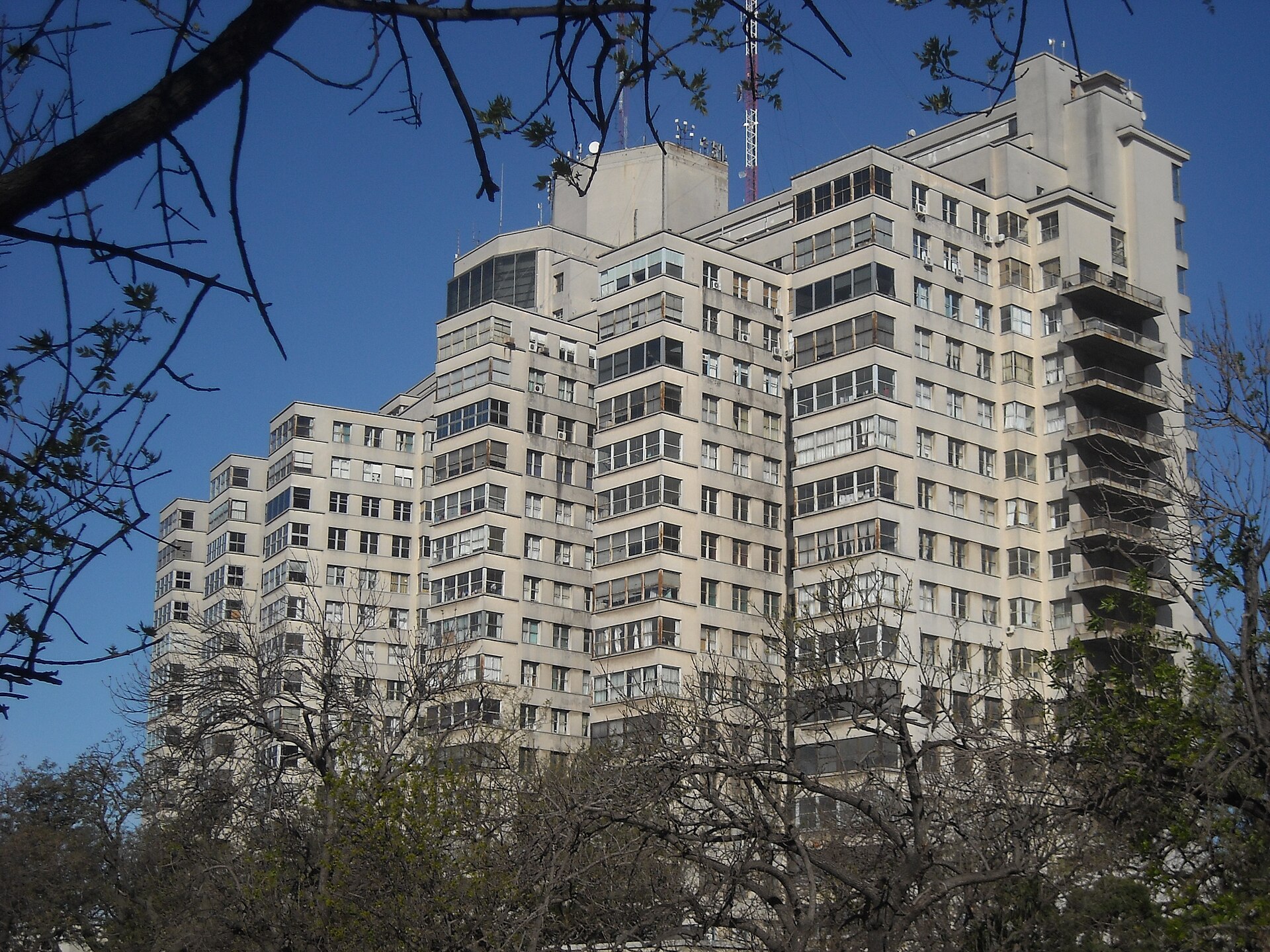
Manuel Quintela Clinical Hospital is one of those places in Montevideo that doesn’t immediately catch the eye of visitors, yet its significance to the city goes far beyond its role as a medical institution. Tucked away in the Parque Batlle neighborhood, it stands at the intersection of history, architecture, and the everyday life of Uruguay’s capital. The building itself doesn’t resemble a typical hospital—its high-arched windows, grand columns, and imposing facades evoke the grandeur of an early 20th-century university or public institution. That’s no accident. The hospital was conceived not just as a place of healing but as a symbol of progress, science, and the state’s commitment to social welfare.
Construction began in the 1920s, a time when Uruguay was undergoing rapid transformation. The country was then considered one of Latin America’s most progressive, having pioneered universal suffrage, free education, and an advanced healthcare system. The hospital was part of this wave of modernization, named after Manuel Quintela, a prominent Uruguayan physician and politician who helped shape the nation’s healthcare reforms. Local architects designed the building to be both functional and aesthetically meaningful, reflecting the values of an era that placed faith in public institutions as pillars of society.
The architecture blends neoclassical and modernist elements, a style common in public buildings of the time. The main structure, with its symmetrical facades, spacious inner courtyards, and wide corridors, exudes a sense of order and permanence. Inside, original mosaic floors, high ceilings, and wooden paneling still lend the interiors a distinct character. Over the decades, the hospital has expanded—new wings and modern equipment have been added—but the core of the building remains unchanged. For those interested in architectural history, it offers a glimpse into how perceptions of healthcare and its role in society have evolved.
Today, Manuel Quintela remains one of Uruguay’s largest and most important hospitals. It’s part of the University of the Republic, serving not only as a treatment center but also as a teaching hospital where future doctors train alongside experienced professionals. The facility covers a wide range of medical fields, from general practice to surgery, serving patients from Montevideo and beyond. For many Uruguayans, it represents reliability and expertise, though like any major public hospital, it faces modern challenges—underfunding, long wait times, and the need for updated infrastructure.
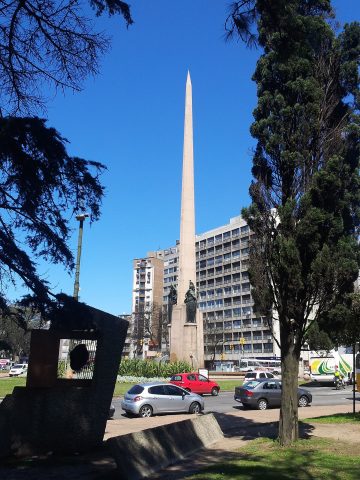
Beyond its medical function, the hospital plays a subtle but meaningful role in the life of the city. It sits in one of Montevideo’s greenest and most tranquil districts, near Parque Batlle and other public spaces. Locals often stroll through the area, especially on weekends, when the surroundings come alive with families, students, and elderly residents. Parque Batlle itself feels like an oasis in the heart of the city, preserving the atmosphere of the early 1900s. The neighborhood is dotted with historic mansions, quiet streets, and small cafés where people linger over coffee or mate, watching the unhurried pace of life.
For tourists, the hospital isn’t likely to be a must-see attraction, but those with an interest in Uruguay’s history or architecture might find it worth a visit. The building’s scale, its intricate facades, and the details of its design tell a story about how the country’s approach to medicine and social policy has shifted over time. There are no official tours or a museum inside, but visitors can wander the grounds, peek into the inner courtyards, or simply sit on a bench nearby, observing the hospital’s daily rhythms. Occasionally, small exhibitions or cultural events take place on the premises, though these are rare.
Manuel Quintela Clinical Hospital is a place that defies simple description. It’s a monument to architecture, a working medical facility, and a piece of the city’s infrastructure all at once. Within its walls, the past and present coexist—high ceilings and modern equipment, medical students and patients, the quiet of empty corridors and the bustle of waiting rooms. For Uruguay, it’s more than just a hospital; it’s a reminder of a time when the country was a pioneer in social reform. Today, when many of those achievements are taken for granted, places like this serve as a quiet testament to the effort that went into building them.
If you find yourself in Montevideo and want to see the city beyond its tourist highlights, a walk to Manuel Quintela is worth considering. It’s not the kind of place where people take photos for social media, but it offers a sense of the real Uruguay—unhurried, serious, and a little melancholic. The neighborhood around the hospital, with its old trees and quiet streets, feels like a place where time moves more slowly than in the city center. And perhaps that’s its greatest value. Here, you can step away from the usual itinerary and experience a side of Montevideo that’s often overlooked but deeply rooted in the country’s identity.