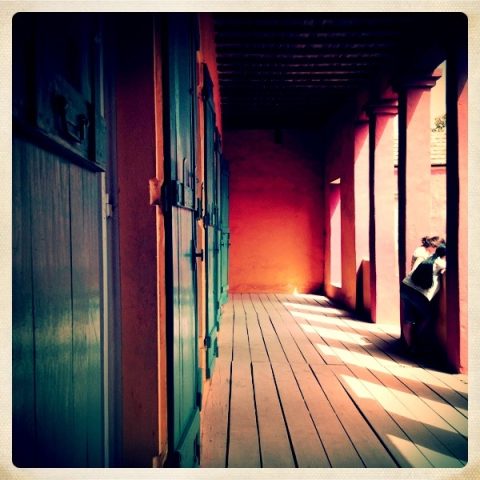
The Historical Museum of Senegal in Gorée is one of those rare places where the past doesn’t just sit behind glass—it breathes. Housed in a former French fort built in the 18th century, the museum occupies a building that has witnessed some of the most pivotal moments in West African history. The thick stone walls, narrow windows, and courtyard cannons still pointed toward the ocean are more than just architectural details; they’re silent witnesses to centuries of trade, conflict, and transformation. Gorée Island itself is a place layered with meaning, and the museum serves as both a guide and a guardian of its complicated legacy.
The fort’s history is inseparable from the museum’s narrative. Originally constructed as a defensive stronghold, it later became a hub of the transatlantic slave trade, one of the most brutal chapters in human history. The museum doesn’t shy away from this reality. Exhibits include chains, shackles, and documents that trace the routes of enslaved people, but the focus isn’t on shock value. Instead, the displays encourage reflection—on how such a system could exist, on the resilience of those who suffered, and on the ways their stories continue to shape the present. The museum balances the weight of this history with stories of resistance, from slave rebellions to the cultural traditions that endured despite oppression.
Beyond the colonial era, the museum’s collection spans the broader arc of Senegalese history. Visitors can explore artifacts from pre-colonial kingdoms like Jolof and Waalo, where intricate goldwork, woven textiles, and ceremonial objects reveal the sophistication of these societies. The museum also highlights the cultural diversity of Senegal’s ethnic groups—the Wolof, Serer, Fula, and others—through everyday items like musical instruments, pottery, and jewelry. These aren’t just relics; they’re tangible connections to the values, beliefs, and daily rhythms of people who lived centuries ago.
One of the most striking sections of the museum is the recreated interior of a traditional Senegalese home. Here, visitors can step into a space that feels lived-in, with low wooden stools, handwoven mats, and cooking utensils arranged as they might have been generations ago. Nearby, recordings of oral histories play softly, preserving the voices of elders who passed down stories, proverbs, and songs. This emphasis on oral tradition is deliberate—Senegal’s history has long been preserved through spoken word, and the museum honors that legacy by making it part of the experience.
The museum also dedicates significant space to Senegal’s struggle for independence, a pivotal moment that reshaped the nation’s identity. Photographs, personal letters, and political documents trace the journey from colonial rule to sovereignty in 1960. This section isn’t just about the past; it’s a bridge to understanding modern Senegal. It shows how the country grappled with its colonial inheritance, forged a new national identity, and navigated the challenges of self-governance. For many visitors, this part of the museum offers a sense of continuity—how the ideals of freedom and self-determination that once fueled independence movements still resonate today.
Gorée Island itself is an extension of the museum. The narrow streets, pastel-colored houses with wrought-iron balconies, and crumbling colonial buildings tell their own stories. Many of the structures have been preserved, and the museum provides context for what visitors see outside its walls. A walk through the island might lead to the House of Slaves, where enslaved people were once held before being shipped across the Atlantic, or to the former homes of merchants who profited from the trade. The island’s small size makes it easy to explore on foot, and every corner seems to hold a fragment of history.
What makes the Historical Museum of Senegal different from many others is its refusal to present history as a neatly packaged narrative. Instead, it invites visitors to engage with the complexities—the triumphs, the tragedies, and the unresolved questions. There’s no attempt to sanitize the past or offer easy answers. The museum’s strength lies in its honesty, whether it’s confronting the horrors of the slave trade or celebrating the cultural resilience that defined Senegal’s path forward.
After leaving the museum, the island itself becomes a living exhibit. The local markets sell vibrant fabrics and handmade jewelry, while small cafés serve dishes like thieboudienne, Senegal’s national fish and rice dish. Sitting by the water, it’s impossible not to think about the ships that once anchored here, carrying people and goods that would alter the course of history. The museum provides the framework, but the real understanding comes from walking those streets, talking to the people who call Gorée home, and letting the weight of the past settle in.
The Historical Museum of Senegal isn’t just a place to learn about history—it’s a place to feel it. The stories it tells are still alive in the people of Gorée, in the rhythms of daily life, and in the way the island carries its past into the present. It’s a reminder that history isn’t just something that happened; it’s something that continues to shape who we are. And in a place like Gorée, where every stone has a story, that truth is impossible to ignore.