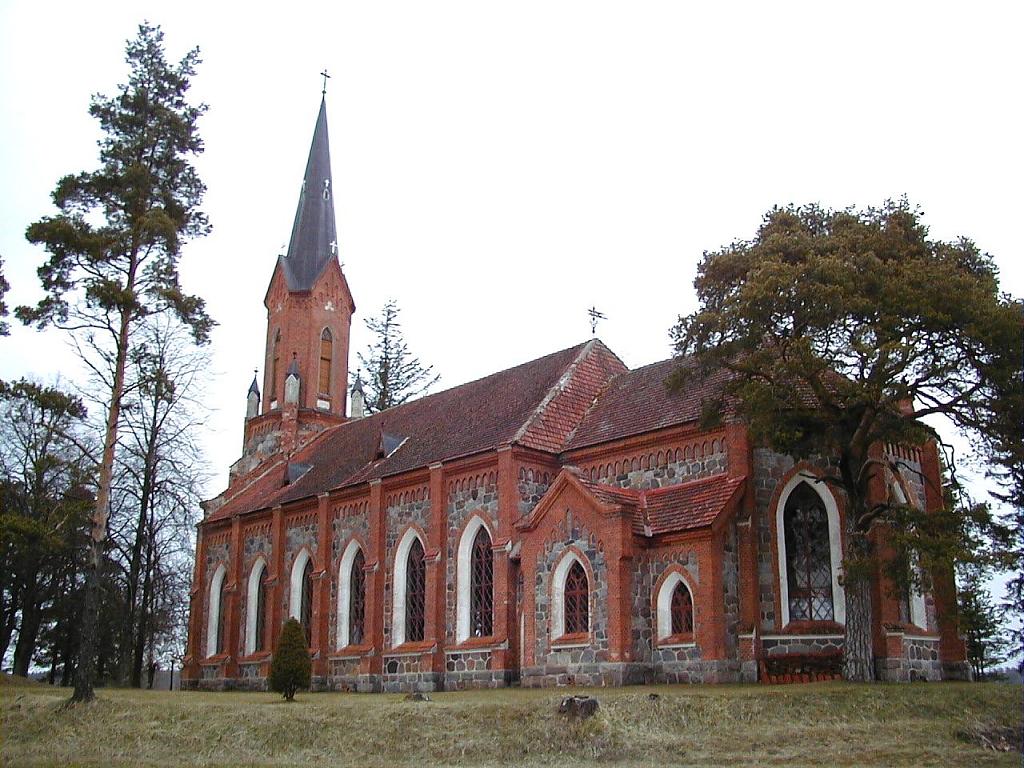
Gulbene Lutheran Church doesn’t demand attention but lingers in the mind after you leave. Tucked in the center of a small Latvian town, it stands as a reminder of a slower way of life. The building doesn’t overwhelm with scale or ornamentation—its charm lies in its unassuming presence, a place that feels lived-in.
Built in the early 20th century, the church arrived when Gulbene became a railway hub. The town’s new significance brought prosperity, and the desire for spaces that served both practical and spiritual needs grew. The architect remains unknown, but the design reflects the town’s character: brickwork, clean lines, and restrained Gothic influences—no excess, just a thoughtful response to the place.
Inside, tall windows filter light onto wooden pews and a simple altar. The organ, installed in the early 1900s, still plays during services. Like many religious buildings in Latvia, this one has seen upheaval. During the Soviet era, it was repurposed as a warehouse and later as a gym. In the 1990s, it was returned to the congregation and has since regained its role as a gathering place.
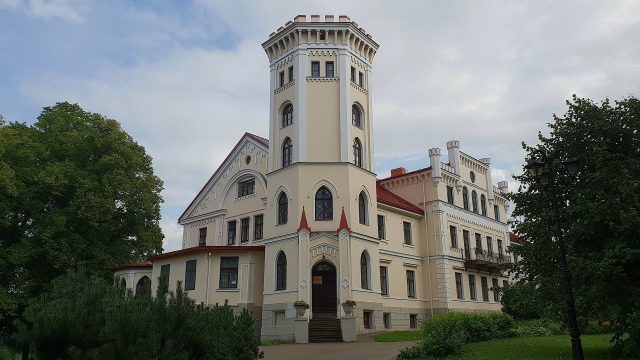
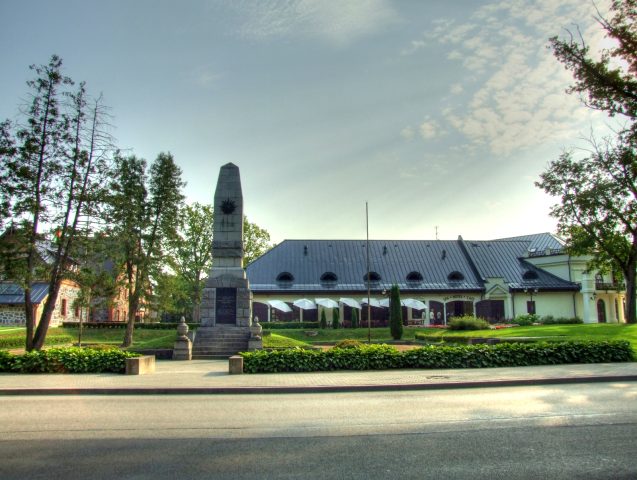
The church is a thread in Gulbene’s history. A century ago, the area around it held shops, homes of well-to-do residents, and the railway station that defined the town. Today, fragments remain: old street lamps, cobblestone paths, and preserved buildings. The church is one of the few places where that history feels tangible.
From the outside, the building might seem austere—brick walls, narrow windows. But look closer: the modestly decorated portal, the clock tower, the careful brickwork. It speaks to a design meant for the people who lived here then and now. It doesn’t feel out of place in modern Gulbene because it belongs.
Gulbene isn’t a tourist hotspot. There’s no need to rush. You can wander the streets, step inside the church, or sit on a bench nearby. Services are infrequent, but if you attend one, the sound of the choir and the organ creates a quiet hard to find elsewhere. This isn’t a place for grand gestures—it’s a place to pause.
The church is tied to Gulbene’s community. In the early 1900s, the town had a significant German population, and the Lutheran church served as a cultural hub. Concerts, gatherings, and charitable events were held here. After World War II, many Germans left Latvia, and the church lost its significance for decades. Today, it draws not just Lutherans but anyone who appreciates its history and calm.
Gulbene Lutheran Church isn’t a landmark you’d travel across the country to see. It’s a place where time moves differently—a quiet corner where history isn’t loud or dramatic. Sometimes, it’s tucked in the unassuming buildings of small towns. If you ever find yourself in Gulbene, stop by. Sit for a moment. Listen to the silence.