Gulbene Local History Museum is one of those quiet places where the past doesn’t announce itself with grand displays or dramatic reconstructions, but instead reveals itself through small, telling details. Tucked away in the unassuming town of Gulbene, far from the usual tourist trails, it preserves the stories of the people, traditions, and events that shaped this corner of Latvia. There are no crowds here, no rush—just the chance to wander through its rooms at your own pace, studying old photographs, household items, and documents that speak of the lives of farmers, craftsmen, teachers, and railway workers who once called this place home.
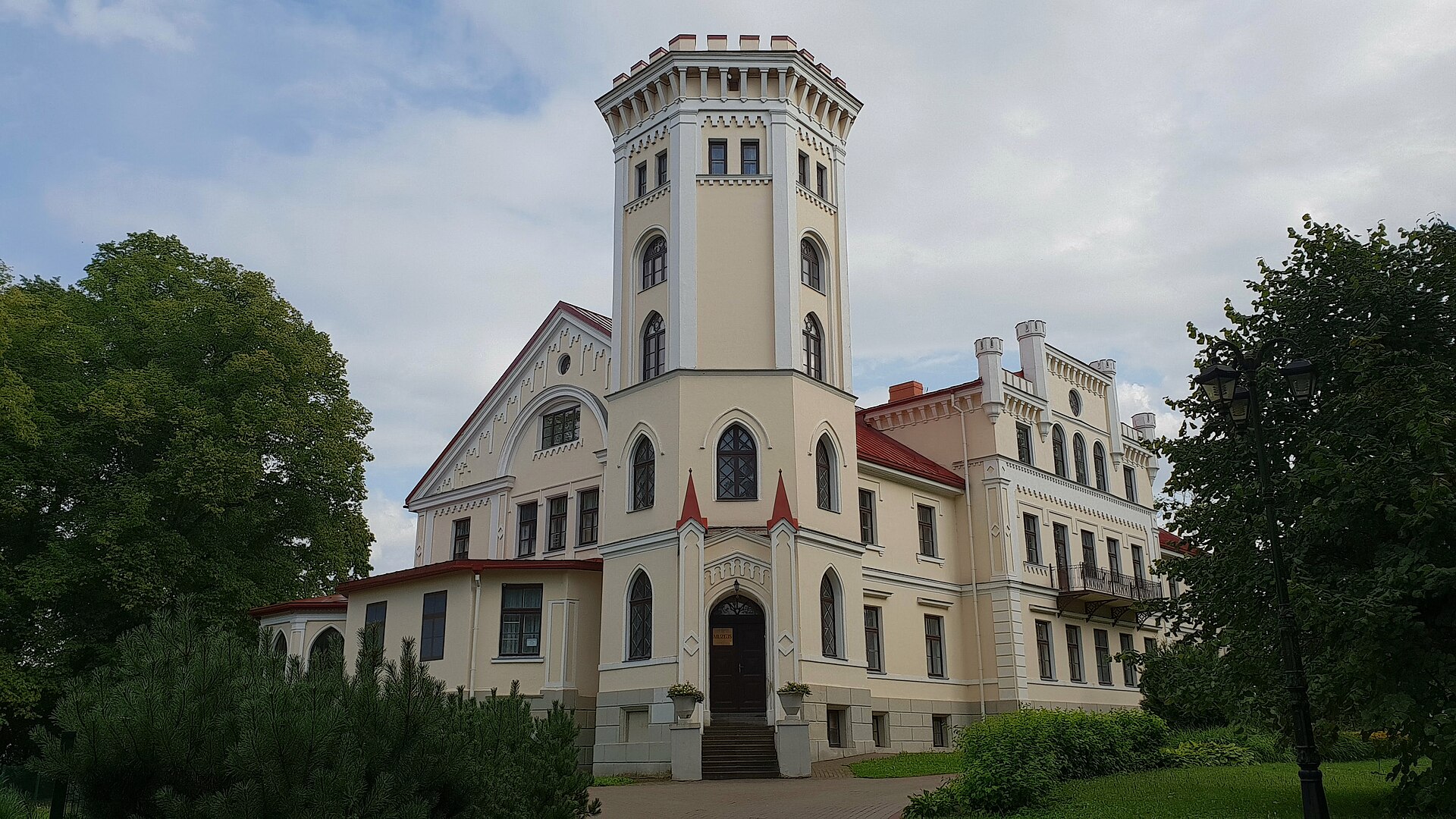
The museum occupies a building from the early 20th century, a time when Gulbene was transitioning from a rural settlement into a small industrial and transport hub. The structure itself is a piece of history, having witnessed wars, occupations, Soviet rule, and Latvia’s return to independence. Its architecture is unassuming yet typical of provincial towns of that era—brick walls, tall windows, and modest ornamentation. Inside, the space still carries the feel of an old schoolhouse, which is what it once was. Now, it houses exhibits that transport visitors back in time, not through spectacle, but through the quiet authenticity of everyday life.
The museum’s collection spans different periods, though its focus lies primarily on the 19th and 20th centuries, when Gulbene became an important railway junction. Here, you’ll find models of old steam locomotives, tools used by railway workers, and photographs of the first trains arriving at the local station. For many residents, the railway wasn’t just a means of transport—it was a way of life. The exhibits include personal belongings of engineers, conductors, and depot workers: pocket watches, caps, letters, and other items that offer a glimpse into what this profession looked like a century ago.
A separate section is dedicated to rural life, filled with the tools that once defined it—wooden plows, sickles, spinning wheels, and looms. Some of the most intriguing items are those tied to traditional crafts, like pottery, basket weaving, and flax processing. What might seem like museum relics today were, not so long ago, ordinary objects used in daily work. Nearby, photographs capture old manor houses, village festivals, and wedding customs, creating the sense that time here has stood still. If you listen closely, you can almost hear the echoes of the past.
The museum also addresses the darker chapters of history, including World War II and the Soviet era. Gulbene, like much of Latvia, endured occupation, deportations, and resistance. The exhibits here are understated—documents, personal effects of those who were repressed, and photographs of those who never returned from the war. There’s no grand narrative, just the raw facts laid bare. Frontline letters, soldier’s medallions, and artifacts recovered from battlefields serve as reminders that history is made up of individual lives, not just dates and events.
Beyond its permanent displays, the museum occasionally hosts temporary exhibitions featuring local artists, photographers, and artisans. Sometimes, residents come to share their memories of the past, turning the space into a living archive. For children, there are educational programs where they can try their hand at pottery or weaving, learn how bread was baked in the old days, or spin wool. These activities make the museum more than just a repository of artifacts—they ensure that history is passed down, not just preserved.
This isn’t the kind of place you visit for flashy experiences or Instagram-worthy moments. There are no lavish halls or interactive exhibits here. What makes the Gulbene Local History Museum special is its quiet sincerity. It invites visitors to slow down, to pay attention to the small things, and to reflect on the lives of the people who once lived in this region—what moved them, what they valued, what they endured. In a world that moves too fast, places like this become rare sanctuaries of memory, where the past feels tangible and unfiltered.
Gulbene itself is an unpretentious town with a distinct character, nestled among forests and fields. Its streets bear the marks of different eras, and the museum is very much a part of that fabric. It’s not just a collection of exhibits but a place where the town’s history and the lives of its people intersect. A visit here offers a deeper understanding of why Gulbene looks the way it does, why certain traditions have endured, and how they coexist with the present.
If you find yourself in Gulbene, the museum is worth a stop—not for grand declarations or dramatic storytelling, but for the way it presents history without embellishment. There are no sweeping claims of greatness or tragedy, just a quiet account of how people lived, worked, loved, struggled, and hoped. In that simplicity lies its greatest value.