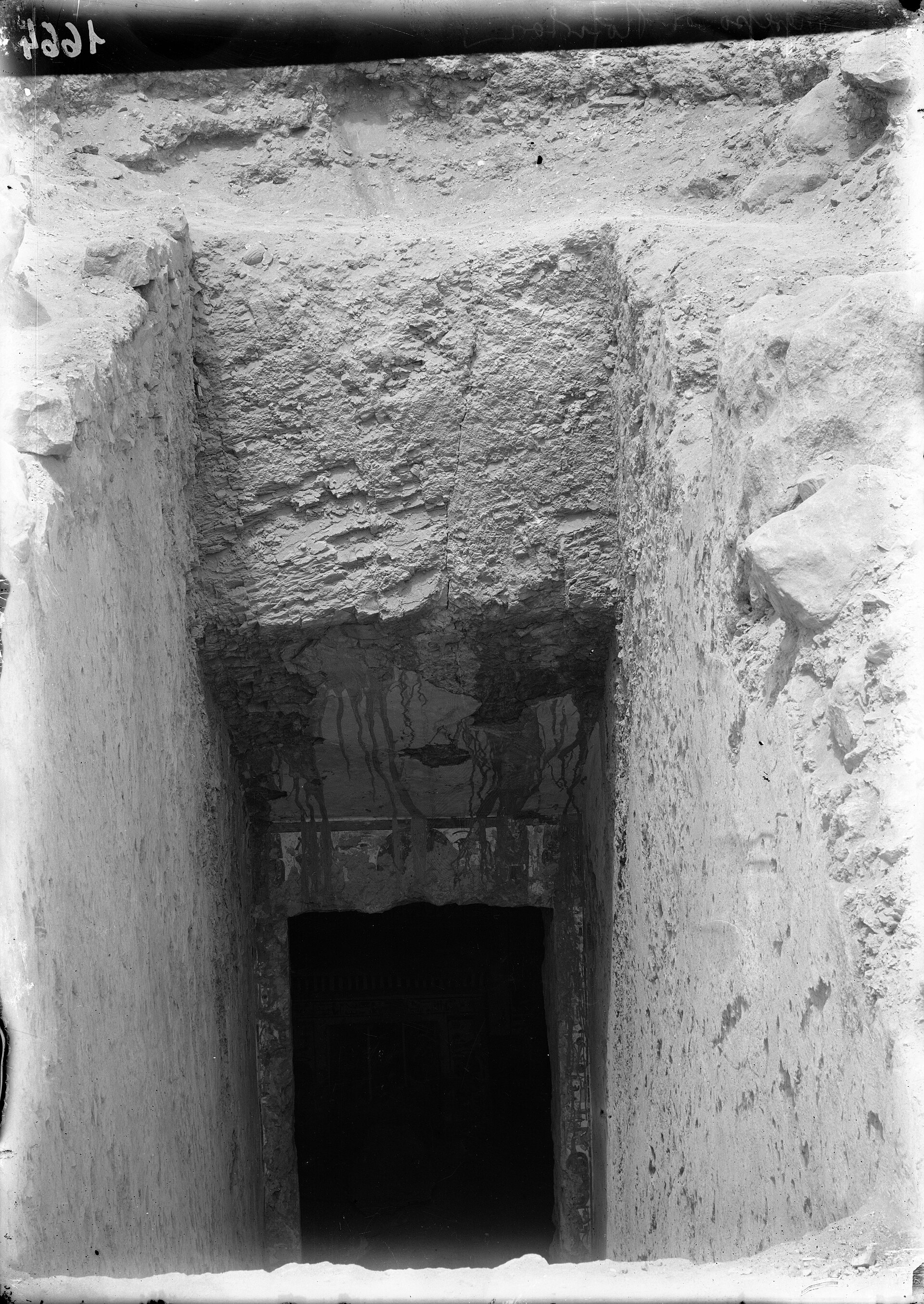
The tomb of Nefertari is one of those rare places where time seems to dissolve, leaving only the quiet weight of history and the breathtaking skill of those who came before us. Tucked away in the Valley of the Queens on the west bank of the Nile near Luxor, this burial site was built for one of ancient Egypt’s most revered women—a queen whose influence extended far beyond the role of royal consort. Nefertari, whose name means "the most beautiful of them all," was not merely the favored wife of Ramses II; she was a figure of political and spiritual significance, her presence woven into the fabric of the era. When her tomb was rediscovered in the early 20th century, it revealed a masterpiece of artistry that had survived millennia, its vibrant colors and intricate details astonishing even by modern standards.
What sets Nefertari’s tomb apart from others in the valley is its sense of harmony and intention. The descent begins with a staircase leading into a series of corridors and chambers, each space carefully designed to guide the soul through the afterlife. The walls are alive with scenes from the Book of the Dead, depicting gods and rituals meant to protect and guide the queen in her journey beyond death. The ceiling, painted with stars, mimics the night sky, reinforcing the connection between the earthly and the divine. Every gesture, every symbol carries meaning—whether it’s the outstretched hands of the gods or the reverent posture of Nefertari as she offers prayers. The precision of the artwork is so striking that it feels almost contemporary, as if the artists had just stepped away.
The murals tell a story, one that unfolds like a sacred narrative. Nefertari is shown meeting the gods, undergoing trials, and ultimately receiving their blessing for eternal life. Among the most moving scenes is her encounter with Hathor, the goddess of love and joy, who welcomes her at the threshold of the underworld. Another powerful image depicts Osiris, the lord of the dead, presiding over the weighing of the heart—a moment that encapsulates the ancient Egyptian belief in judgment and rebirth. These paintings are more than decoration; they are a window into the hopes, fears, and spiritual convictions of a civilization that saw death not as an end, but as a passage.
Though the tomb was looted in antiquity, enough remains to convey its original grandeur. In the main chamber, where Nefertari’s sarcophagus once rested, fragments of the murals still cling to the walls, showing her surrounded by deities. Other scenes depict her voyage through the underworld—sailing on a boat along the subterranean Nile, passing through gates guarded by spirits, and navigating the perils of the afterlife. These images were not merely ornamental; they were part of a ritual meant to ensure her safe passage and continued existence in the next world. The fact that so much has survived, despite the passage of time and human interference, speaks to the care with which the tomb was constructed.
Nefertari’s tomb is remarkable not only for its artistic brilliance but also for what it reveals about her status. Unlike many royal women whose names faded into obscurity, Nefertari was immortalized with extraordinary devotion. Her likeness appears not just in her tomb but in temples built by Ramses II, where she stands beside him in religious ceremonies, a testament to her importance. This was no mere queen consort; she was a partner in rule, her presence acknowledged in both earthly and divine realms. The attention lavished on her tomb reflects the depth of Ramses’ regard for her, as well as the broader cultural reverence for women who held power in ancient Egypt.
Today, visiting the tomb is a privilege, one that comes with strict limitations to protect its fragile beauty. The number of visitors is carefully controlled, and the environment inside is meticulously maintained to prevent damage from humidity and light. This means that not everyone who travels to Luxor will have the chance to step inside, making the experience all the more memorable for those who do. The dim, golden light filtering through the narrow passages casts a soft glow on the walls, and for a moment, it’s easy to forget the centuries that separate us from the artists who painted them. The silence, the stillness—it all feels deliberate, as if the tomb itself is holding its breath.
Standing in the quiet of Nefertari’s resting place, it’s impossible not to feel the weight of what was once believed here. This was not just a burial site but a gateway, a place where the living could ensure the dead’s safe passage into eternity. The absence of crowds, so common in other parts of Luxor, allows for a rare sense of intimacy with the past. There’s no need for grand explanations or dramatic storytelling; the walls speak for themselves, their colors and symbols telling a story of faith, artistry, and the human desire to be remembered. Nefertari’s tomb is more than an archaeological wonder—it’s a testament to the enduring power of love, devotion, and the belief that beauty, even in death, can transcend time.