In a quiet corner of Belarus, where the pace of life slows to the rhythm of passing seasons, the Gorodishche Local History Museum offers a rare chance to step into the past. Tucked away in the heart of the small settlement of Gorodishche, this museum is less about grand exhibits and more about the quiet stories that shape a place—stories of ordinary people, forgotten traditions, and the slow unfolding of time. There are no towering monuments here, no world-famous artifacts, just the kind of history that might otherwise slip through the cracks if not for the dedication of those who call this land home.
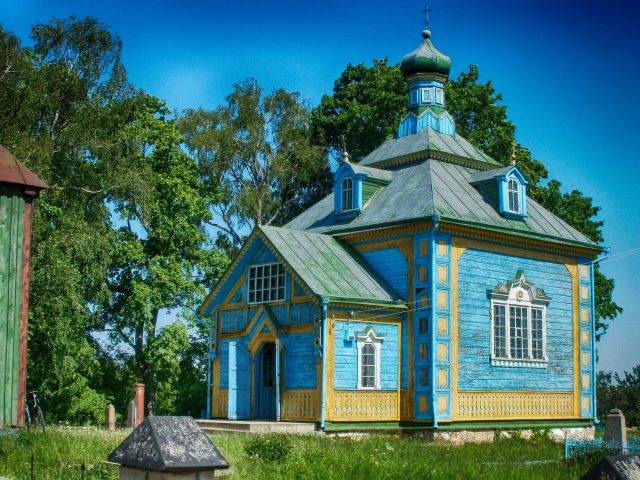
The museum itself is housed in a building that feels like a piece of living history. Constructed in the late 19th or early 20th century, it was once the home of a local merchant or a well-to-do family, and its architecture carries the unmistakable charm of Belarusian provincial life. The wooden walls, intricately carved window frames, and high ceilings speak of a time when craftsmanship was measured in patience and skill. Inside, the air is thick with the scent of aged wood and old paper, and the creak of floorboards underfoot adds to the sense that this house has witnessed generations come and go. It’s the kind of place where history doesn’t just sit behind glass—it lingers in the corners, waiting to be discovered.
One of the museum’s most compelling sections is its archaeological collection, a testament to the deep roots of human settlement in this region. The artifacts on display—fragments of pottery, tools, jewelry, and everyday objects—paint a picture of life here as far back as the early Middle Ages. Among the most intriguing finds are those linked to the ancient fortified settlements, or *gorodishcha*, that gave the modern village its name. These remnants of earthworks and wooden palisades hint at a time when survival depended on vigilance, when communities banded together to defend their homes from raids and invasions. The exhibits don’t just show what people used; they suggest how they lived—what they feared, what they valued, and how they adapted to the land around them.
Another corner of the museum is dedicated to the rhythms of rural life, where the past feels almost tangible. Here, visitors can step into a recreated Belarusian peasant home, complete with rough-hewn wooden furniture, clay dishes, and a loom that still bears the marks of countless hours of weaving. The tools of daily life—scythes, spinning wheels, and hand-forged utensils—are arranged as if their owners had just stepped out for a moment. Old photographs line the walls, their sepia tones capturing the faces of people who lived, worked, and died in these very fields. Some expressions are stern, others weary, but all carry a quiet dignity. These images serve as a reminder that history isn’t just about kings and battles; it’s also about the hands that tilled the soil, the voices that sang lullabies, and the families that gathered around the hearth.
The 20th century left its mark on Gorodishche, and the museum doesn’t shy away from the darker chapters of that era. A dedicated hall documents the impact of World War II on the village and its people, with displays of wartime documents, personal letters, and military artifacts. There are rifles, medals, and tattered uniforms, but also the small, intimate items that humanize the conflict—a child’s toy, a soldier’s diary, a handwritten note from the front. The exhibits pay particular attention to the local resistance movement, honoring those who fought against occupation and those who rebuilt their lives in the war’s aftermath. The stories here are not just about heroism; they’re about survival, loss, and the slow, painful process of healing.
Yet the museum isn’t stuck in the past. It’s a place where history and contemporary life intersect, where the old ways are kept alive through workshops, exhibitions, and community events. Local artisans often gather here to demonstrate traditional crafts—pottery, weaving, embroidery—passing down skills that might otherwise fade away. Visitors are encouraged to try their hand at these crafts, to feel the weight of a spindle or the texture of clay between their fingers. These moments of connection, where the past is not just observed but experienced, are what make the museum feel alive. It’s a space where generations meet, where grandparents share stories with grandchildren, and where the line between visitor and participant blurs.
What makes the Gorodishche museum special is its lack of pretense. There are no velvet ropes or stern warnings not to touch; instead, the exhibits invite curiosity. You can lean in to examine the stitching on a century-old shirt, run your fingers over the grain of a wooden plow, or sit at a table set with dishes that haven’t been used in decades. The guides, often locals with deep ties to the area, don’t recite facts from a script. They speak as if sharing memories, their voices warm with the kind of detail that only comes from personal connection. Their stories aren’t about distant figures in history books; they’re about neighbors, relatives, and the people who shaped the place they call home.
A visit here is less about ticking off a tourist attraction and more about taking the time to listen. Gorodishche isn’t a bustling city or a well-trodden destination; it’s a place where life moves at its own unhurried pace. After wandering through the museum’s rooms, you might find yourself strolling through the village, past wooden houses with lace curtains and gardens bursting with flowers. There’s a park nearby, a quiet spot where locals gather in the evenings, and benches where you can sit and watch the world go by. The rhythm of life here is different—softer, slower, as if the land itself is breathing.
In the end, the Gorodishche Local History Museum is a reminder that history isn’t always grand or dramatic. Sometimes, it’s found in the quiet corners of the world, in the things people leave behind and the stories they pass down. There are no palaces or epic battles here, just the small, everyday moments that make up a life. And yet, in that simplicity lies something profound. This is a place where the past isn’t just remembered; it’s felt. Where the weight of time is measured not in centuries, but in the creak of a floorboard, the flicker of a candle, or the echo of a voice telling a story that’s been told a hundred times before. It’s a museum for those who believe that even the smallest places have stories worth hearing.