Gorodishche is a quiet settlement in Belarus. Few travelers stop here, and guidebooks rarely mention it. But beneath its unremarkable surface lies a history that demands attention. During World War II, this village became the site of a Jewish ghetto, where hundreds of local Jews were confined under Nazi occupation. Today, almost nothing remains of that time—no grand memorials, no preserved buildings—yet the memory persists in the land and the stories of those who remember.
The ghetto was established in 1941, after German forces seized control. Jewish families from Gorodishche and nearby areas were forced into a cramped, fenced-off section of what is now Novaya Street. Conditions were brutal: overcrowding, hunger, and constant violence. Disease spread rapidly, and many did not survive. Those who lived in fear knew their existence could be erased at any moment.
The ghetto was liquidated in 1942. Most of its inhabitants were taken to nearby forests and ravines, where they were shot. The exact number of victims is unknown, but historians estimate several hundred perished. Today, simple memorials mark these killing sites. The land where the ghetto once stood is now covered by modern houses and streets, but the weight of what happened here lingers.
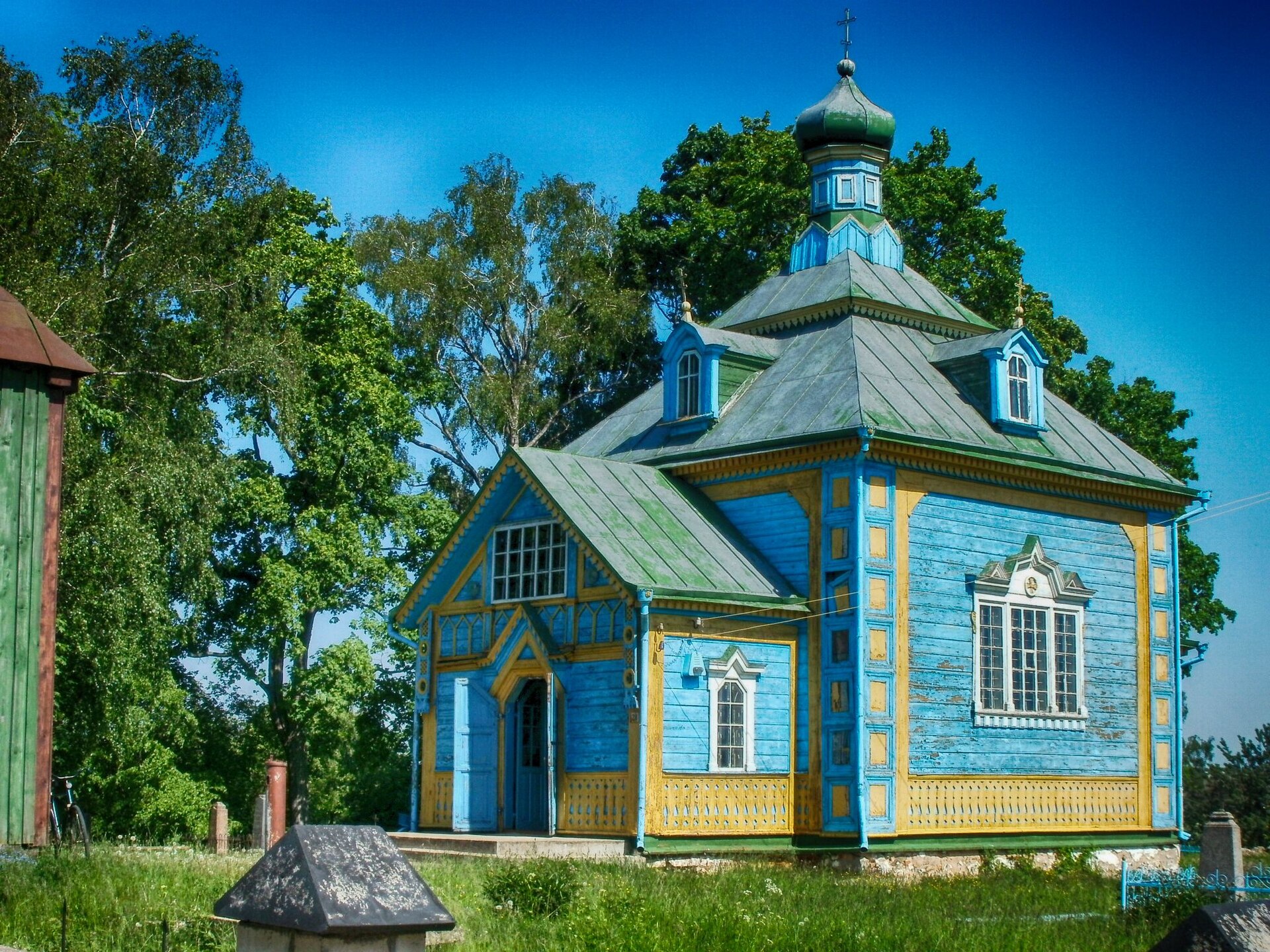
Walk through Gorodishche today, and you might miss the traces of history. The settlement looks like any other in rural Belarus—modest wooden houses, quiet streets, a slow pace of life. But look closer.
Some of the older buildings predate the war. Their weathered walls hold decades of silent witness. The local cemetery contains graves of Jewish families, their names carved into stone beside those of their neighbors. These small details tie the present to a past that cannot be ignored.
There is no museum here. No exhibits explain what happened. Instead, memory is preserved in simpler ways. A modest memorial stands in the settlement, dedicated to the victims of the Holocaust. Locals, especially the older generation, sometimes share stories passed down from those who lived through the occupation. These accounts are fragmented, but they keep the past alive. For historians, Gorodishche is one piece of a larger tragedy—the systematic destruction of Jewish communities across Nazi-occupied Europe.
Visiting Gorodishche is not like visiting a major historical site. There are no guided tours, no gift shops, no crowds. Most who come are either passing through or deliberately seeking places history has overlooked. The lack of spectacle makes it feel real. It doesn’t demand attention; it simply exists, a quiet place where the past refuses to be buried.
If you stop, the experience can be unexpectedly moving. Walk along Novaya Street, where the ghetto once stood. It’s hard to imagine the suffering that unfolded here. The street is ordinary now, lined with houses where children play and families live their lives. The contrast between the peaceful present and the violent past is stark. It reminds you how quickly normalcy can be shattered—and how easily history fades if no one remembers.
Gorodishche is more than a dot on a map. It’s a place where past and present intersect in ways that are quiet but undeniable. There are no easy answers here. But that’s why it matters. In a world where history is often sanitized, this small Belarusian settlement offers something raw—a chance to reflect on memory and the responsibility of bearing witness. If you find yourself in this part of the country, linger for a while. Not just to see, but to listen.