Mount Włodziczna rises above Nowa Ruda like a quiet witness to the centuries that have passed over this land. Its forested slopes climb to about 750 meters, offering not just sweeping views but a sense of solitude rare for a place so close to the edge of town. There are no crowded trails or tourist crowds here—just paths worn by time and the footsteps of locals, and the wind moving through the trees.
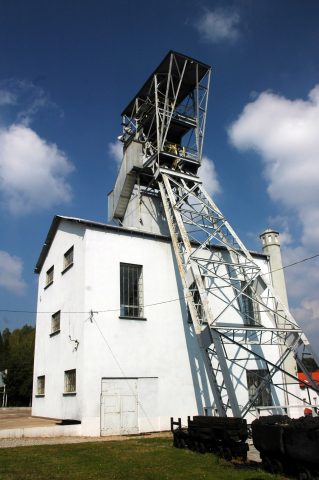
The history of Włodziczna is woven into the story of Nowa Ruda itself. In the Middle Ages, these lands belonged to Czech kings before passing under Habsburg rule. The mountain, like the rest of the region, was once part of important trade routes linking Silesia with Bohemia and Moravia. When Nowa Ruda became a coal mining hub in the 19th century, Włodziczna remained a pocket of wild nature amid the industrial landscape. Miners and workers would come here to escape the underground, and traces of the old paths they took still linger on the slopes.
There are no grand monuments or historic buildings on the mountain—its value lies elsewhere. Włodziczna preserves the untouched beauty of the Sudetes, with mixed forests of beech and spruce, rocky outcrops, and small streams trickling down the hillsides. It’s part of the Wałbrzyskie Sudety Landscape Park, created to protect the region’s unique flora and fauna. In spring and summer, the slopes bloom with wildflowers, while autumn turns the forest into a blaze of gold and red.
The most common route to the summit starts at the edge of Nowa Ruda. The trail winds through the trees, sometimes steep, sometimes gentle, with occasional signs sharing snippets of local history and natural features. At the top, there’s no formal viewing platform—just a small clearing where the city, the Włodzica River valley, and the surrounding hills unfold below. On clear days, you can even spot the Krkonoše Mountains in the distance.
Włodziczna isn’t a place for thrills or tourist attractions. There are no cafes, souvenir shops, or tour buses. Instead, there’s silence broken only by birdsong and rustling leaves, and the chance to feel like part of a landscape that has remained unchanged for generations. Locals come here to forage for mushrooms and berries or simply to walk, while travelers who venture off the beaten path discover a corner of Poland where time moves a little slower.
The mountain still plays a vital role in Nowa Ruda’s life today. It acts as a natural windbreak for the city, and its forests provide clean air in a region once choked by industrial smog. After the mines closed in the late 20th century, the town faced hard times, but Włodziczna’s nature endured, a reminder that some things remain constant even in an era of change.
For those curious about history, the mountain holds other traces of the past. Remnants of old quarries where building stone was once extracted can still be found on its slopes. There are also more mysterious discoveries, like small caves whose origins aren’t entirely clear. Local legends speak of hidden treasures buried here during turbulent times, though no one has ever found proof. Still, the atmosphere of Włodziczna makes it easy to believe in such stories.
In winter, the mountain becomes a favorite spot for cross-country skiing and snowshoeing. Snow lingers here longer than in the city, and the slopes offer a quiet escape for those who want to enjoy the season’s stillness. In summer, Włodziczna draws cyclists and hikers. The trails aren’t as challenging as those in the high mountains, but they’re interesting enough to make you feel like a real explorer.
Włodziczna is more than just a mountain—it’s part of Nowa Ruda’s identity. It reminds us that even in a small town far from the usual tourist routes, there are places worth noticing. There’s nothing forced or artificial here, just nature, history, and the kind of quiet that lets you pause and think about what truly matters.