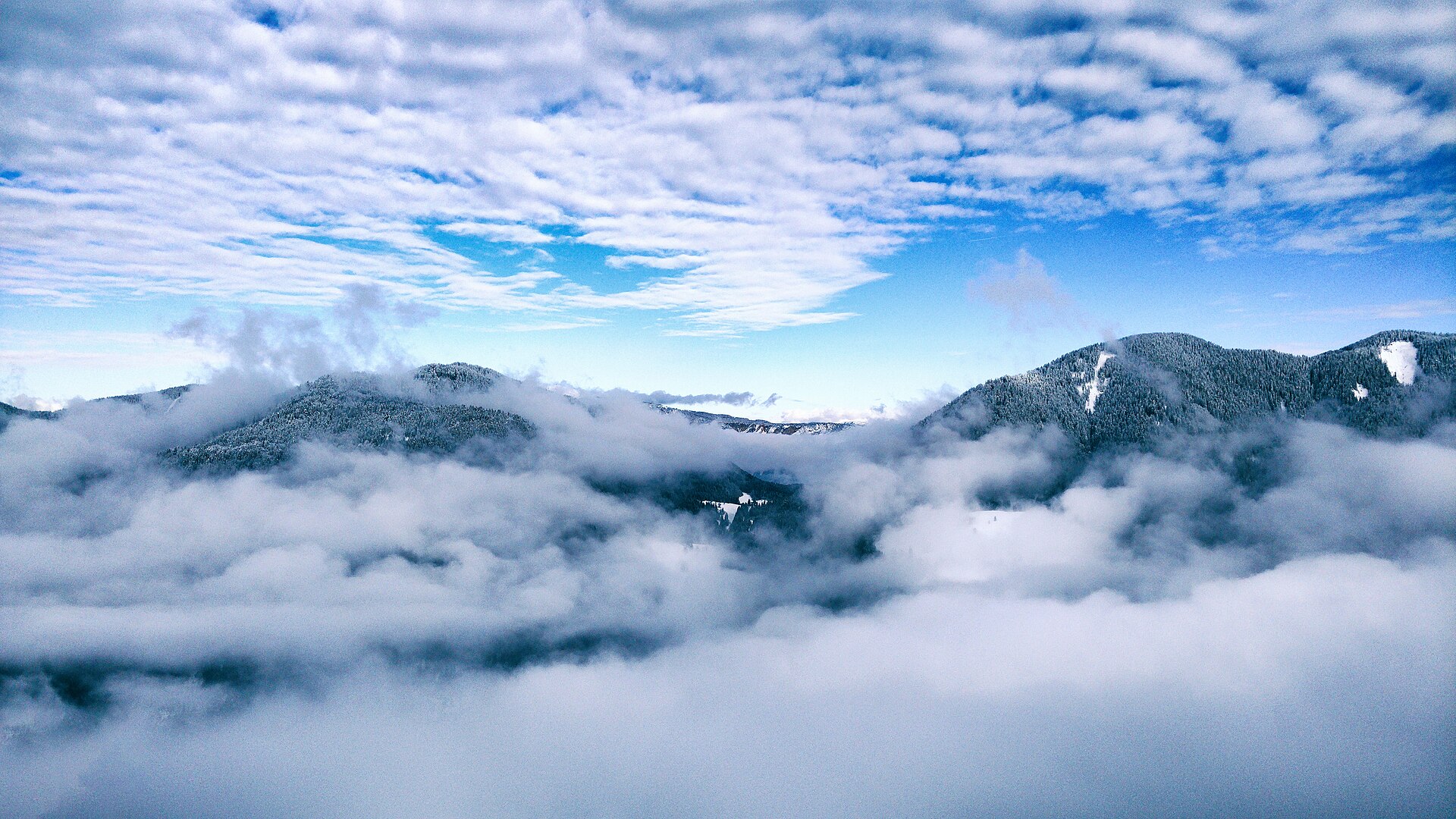
Vitranc stands as one of the most recognizable peaks in Slovenia’s Julian Alps, its silhouette rising above the Kranjska Gora valley like a quiet sentinel. At just under two thousand meters, it’s not the tallest mountain in the range, but its position makes it impossible to ignore. From a distance, the summit catches the morning light, its rocky slopes glowing warm against the sky, while in winter, a thick blanket of snow transforms it into a vast, rounded dome. For those who live in the valley below, Vitranc is more than just a landmark—it’s a place woven into the fabric of daily life, a natural rhythm that has shaped the region for generations.
Reaching the top is part of the experience, and the most common route begins at the upper station of the cable car in Planica. From there, the trail winds upward through gentle meadows, where wildflowers like edelweiss and gentians bloom in summer, their delicate petals contrasting with the rugged terrain. The air carries the scent of pine and damp earth, and the only sounds are the occasional rustle of grass or the distant chime of cowbells. Along the way, you’ll pass the remains of old shepherds’ huts, their weathered wood and stone walls a reminder of a time when these slopes were used for grazing. Some have been restored into simple shelters, offering a place to rest and warm up with a cup of tea before continuing the climb.
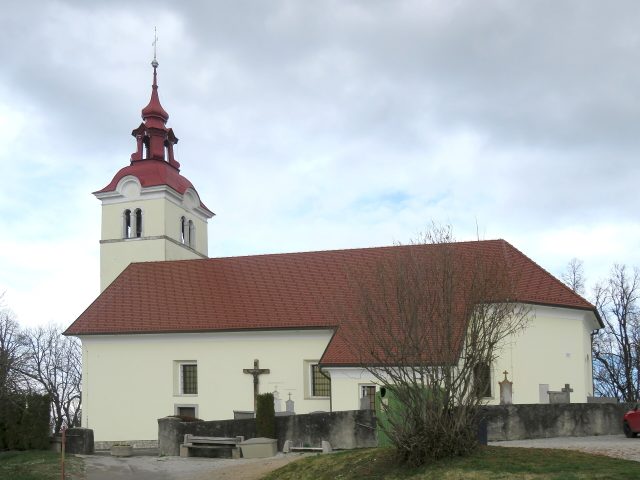
The summit itself isn’t particularly dramatic—no jagged peaks or sheer drops—but the views more than make up for it. To the south, the Sava Dolinka valley unfolds below, with Kranjska Gora’s cluster of houses and the small church on its hill looking almost like a toy village from this height. To the north, the Julian Alps stretch into the distance, their ridges fading into the horizon. On clear days, you can even spot Triglav, Slovenia’s highest peak, though it’s a good fifty kilometers away. In winter, Vitranc becomes part of the Kranjska Gora ski resort, its slopes carved into runs for skiers and snowboarders. But in summer, the mountain is quiet, a place where you can sit on a sun-warmed rock and listen to the wind, the only company the occasional cry of a chamois echoing off the cliffs.
Vitranc’s history is closely tied to the rise of tourism in the region. In the late 19th century, the first visitors—mostly Austrian and German travelers—began making the trek, drawn by the untamed beauty of the Julian Alps. Back then, there were no marked trails or cable cars, just rough paths and the determination of those willing to carry their own gear. Over time, the routes became more established, and by the mid-20th century, the cable car made the mountain accessible to a wider audience. Today, Vitranc is part of a larger network of trails, including the route to Vršič Pass, one of Slovenia’s most scenic mountain crossings. It’s a place that has evolved with the times but still retains a sense of wildness, a balance between human presence and untouched nature.
There are no grand monuments or historic buildings on Vitranc—its appeal lies in the landscape itself. The northern face is particularly striking, where cliffs drop away almost vertically, creating a natural wall that draws climbers in summer and freeriders in winter. The routes here aren’t extreme, but they require skill, and the ever-changing weather means conditions can shift in minutes. Even in July, the summit can be cold and windy, a reminder that this is still a mountain, not just a viewpoint. For those who prefer to stay lower, the slopes offer plenty of gentler walks, where the only sounds are the crunch of gravel underfoot and the distant murmur of a stream.
Vitranc isn’t just for those who want to reach the top. The mountain serves as a gateway to other parts of the region, like Lake Jasna, a small but stunning body of water where you can swim in summer or skate in winter. Or the Tamar Valley, where the river cuts through steep cliffs, its banks lined with moss and ferns. Even a short walk along the lower trails can feel like stepping into another world—one where time moves slower, and the only crowds are the occasional herd of cows grazing with bells around their necks. There’s no need to rush here; the mountain rewards those who take their time, whether it’s pausing to watch a marmot dart between rocks or simply sitting still to let the silence settle around you.
This isn’t a place for record-breaking ascents or adrenaline-fueled adventures. Vitranc is for those who appreciate the quiet moments—the way the light changes on the slopes at dusk, the crispness of the air in the early morning, the way the landscape shifts with the seasons. There are no luxury hotels or bustling restaurants, just a few simple huts where you can grab a meal or a drink before heading back down. In summer, the meadows are dotted with wildflowers and the occasional hiker; in winter, the snow muffles everything, leaving only the sound of your own footsteps. It’s a mountain that doesn’t demand attention but earns it, not through grandeur or spectacle, but through a kind of understated beauty that lingers long after you’ve left.
What makes Vitranc special isn’t any single feature, but the way it all comes together—the way the trails lead you through different landscapes, the way the views open up unexpectedly around a bend, the way the mountain feels both vast and intimate at the same time. It’s a place that invites you to slow down, to pay attention to the small things—the shape of a cloud over the ridge, the way the wind carries the scent of pine, the quiet companionship of the mountains themselves. Whether you come for the hiking, the skiing, or just the chance to stand somewhere high and quiet, Vitranc offers something rare: a sense of belonging to a landscape that has been here long before us and will remain long after.