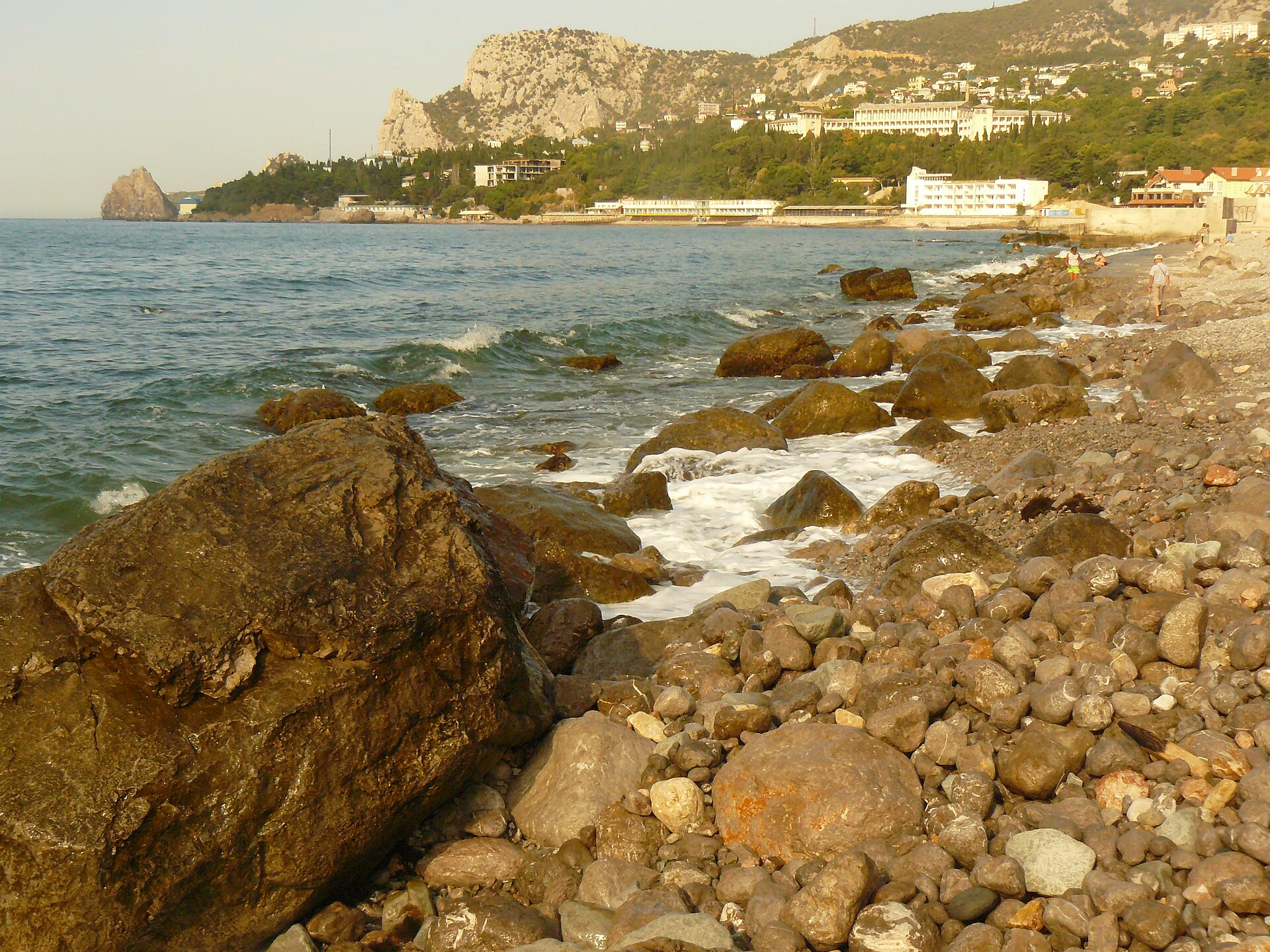
Mount Cat, or Gora Koshka as it’s known locally, is one of those places that feels like it’s been lifted straight from an old postcard. Rising above the coastal town of Simeiz, its gentle contours shape the skyline in a way that’s hard to ignore—especially when you notice how the ridge resembles a cat at rest, its head slightly raised as if watching over the sea. It’s not just a striking natural landmark; it’s a place where geology, history, and local lore come together to create something quietly unforgettable.
The mountain’s origins stretch back millions of years, to a time when this part of Crimea lay beneath a warm, shallow sea. What we see today is the remains of an ancient reef, its limestone slopes and jagged rock formations once part of a thriving underwater world. Over time, the sea receded, leaving behind these weathered outcrops as silent witnesses to the Earth’s slow transformations. Walking the trails that wind up the mountain, you can touch the rough surface of the rocks and imagine the forces that shaped them—layers of sediment compressed over millennia, now exposed to the elements.
Simeiz itself has long been a retreat for those seeking rest and inspiration, and Mount Cat has been part of its story from the very beginning. In the late 19th and early 20th centuries, when the town became a fashionable getaway for artists, writers, and scientists, the mountain’s silhouette became a familiar sight in paintings and photographs. It was more than just a backdrop; it was a symbol of the place, framing the views that stretched from Alupka to Yalta. On clear days, the panorama from the summit is expansive, with the distant peaks of the Crimean Mountains rising like a hazy wall in the north.
The name Mount Cat has inspired its share of stories, some more fanciful than others. One local legend claims that a giant wildcat once roamed these slopes, guarding the forests from evil spirits. Another ties the name to the Tauri, an ancient people who lived in Crimea before the Common Era, and who may have seen something sacred in the mountain’s shape. Whether these tales hold any truth is less important than the fact that they’ve endured—just like the mountain itself. The name fits so naturally that it’s hard to imagine calling it anything else.
Reaching the top isn’t a technical climb, but it does require a bit of effort. The trail starts near the center of Simeiz and winds upward through a pine forest, the air thick with the scent of resin and salt. Along the way, small clearings offer places to pause, catch your breath, and take in the changing views. The best times to go are early morning, when the first light spills over the sea, or late afternoon, when the rocks glow in the golden hour. There’s no formal viewing platform at the summit—just the open sky and the sense that you’ve stepped into a landscape that’s been waiting for you.
Mount Cat isn’t an isolated landmark; it’s part of a larger network of natural and historical sites in the area. Nearby, the rock formation known as the Maiden (Sкала Дива) rises like a woman’s profile against the sky, while Mount Krestovaya holds the ruins of an ancient settlement. Together, they form a loose trail that can be explored in a day if you’re up for it. For those who prefer a slower pace, the seaside promenade in Simeiz offers a different perspective—one where the mountain looms in the distance, its shape unmistakable even from afar.
The mountain changes with the seasons, each one bringing something new. In spring, the slopes burst into green, while summer fills the air with the sharp, clean scent of pine and sea. Autumn turns the foliage into shades of amber and gold, and if you’re lucky, a light frost might dust the summit in winter, transforming the rocks into something delicate and fleeting. Locals who’ve seen it all still find something to admire in these shifts, as if the mountain itself is reminding them that nothing stays the same.
What makes Mount Cat special isn’t just its beauty, but the way it feels untouched by the crowds that flock to more famous spots along the coast. There’s no rush here, no need to compete for the best view. It’s a place where you can walk at your own pace, where the only sounds are the wind in the trees and the distant murmur of the sea. Standing on the summit, it’s easy to feel like you’ve stepped outside of time for a moment—like the mountain has been here forever, and will be here long after you’ve gone. That sense of continuity, of being part of something much older and wilder than yourself, is what lingers long after you’ve descended.