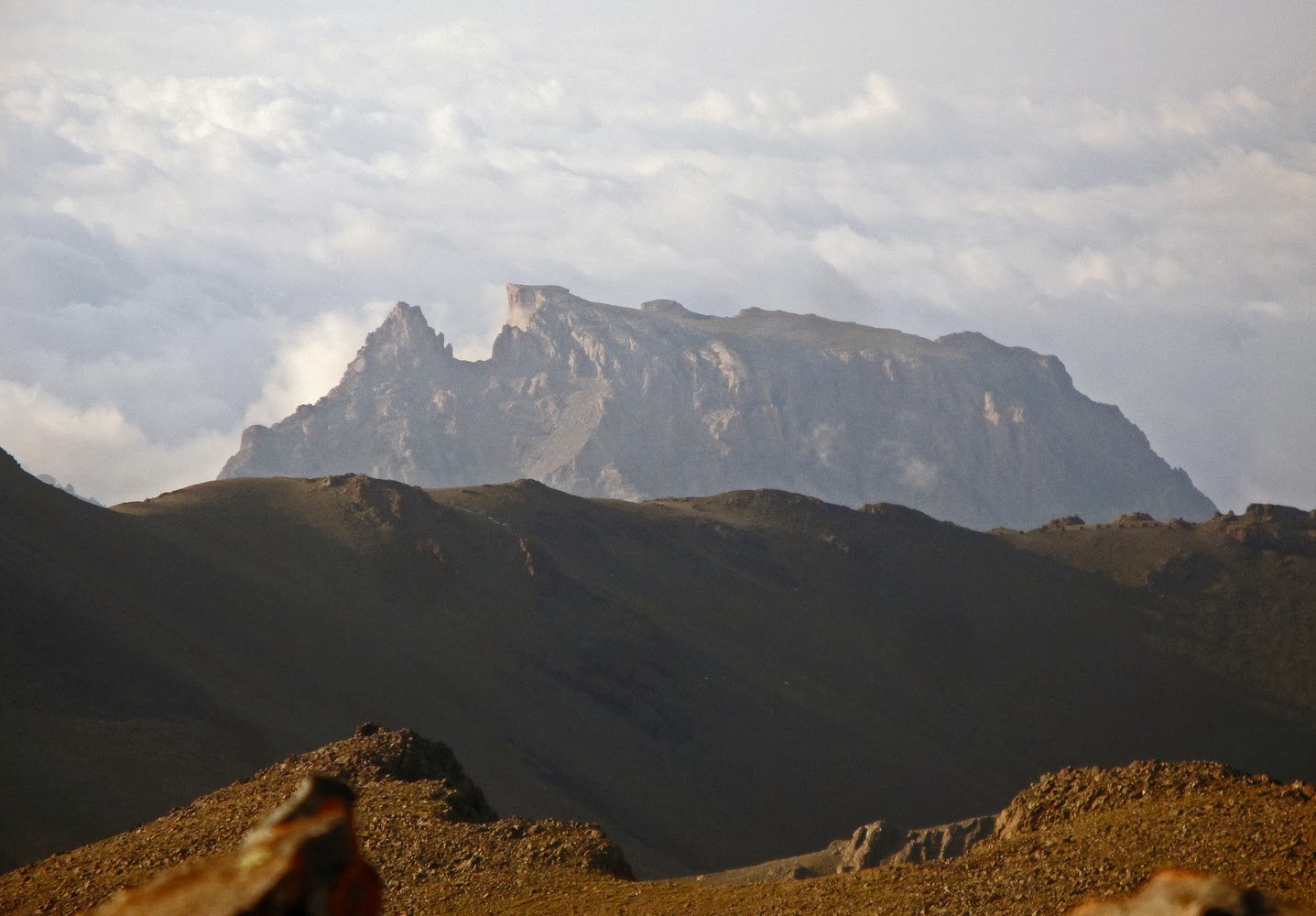
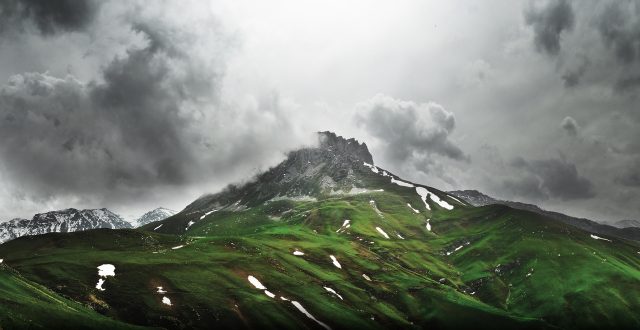
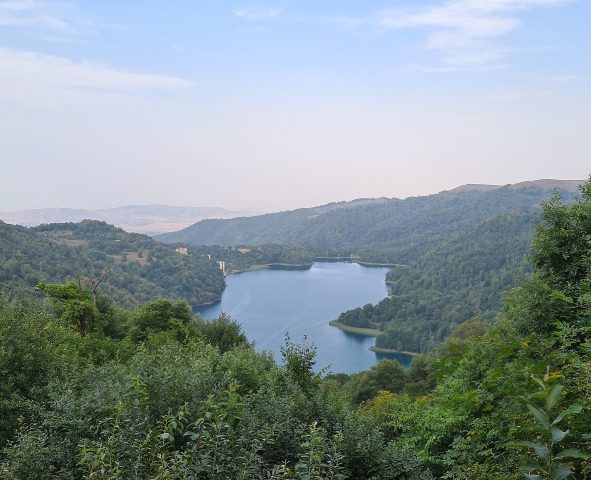
From the shores of Lake Göygöl, Mount Kapaz looms—3,000 meters of rock and forest, its peak cutting into the sky. The mountain is visible for kilometers, its silhouette unmistakable even in haze. Locals call it "the giant," not just for its height but for the way it shapes the land around it.
The lower slopes are thick with beech and oak, their leaves filtering sunlight into shifting patterns on the ground. Higher up, juniper and rhododendron take over, their branches heavy with berries in autumn. The air smells of damp earth and pine, and the only sounds are the wind through the trees and the occasional call of a Caucasian grouse. Trails wind through these forests, some gentle, others steep enough to make your thighs burn.
Kapaz has always been a place of passage. Two thousand years ago, Silk Road caravans moved through its foothills, their camels laden with silk and spices. Bronze Age tools and medieval fortress walls still turn up in the soil, remnants of people who lived here long before. Some say a fire-worshippers’ temple once stood at the summit—though all that remains now are scattered stones, arranged in ways that feel deliberate.
At the mountain’s base lies Lake Göygöl, its waters so clear you can see fish darting ten meters below the surface. The lake formed when an earthquake split the earth, or so the story goes. Geologists say tectonic shifts, but the legend persists. Either way, the water stays cold year-round, fed by mountain streams that never run dry.
For the people here—Azerbaijanis, Lezgins, Avars—the mountain is sacred. Shepherds still bring their flocks to the high meadows in summer, just as they have for centuries. In villages nearby, old songs tell of mountain spirits and heroes who once walked these slopes. Some say the spirits are still here, watching from the trees.
If you want to climb, come between May and September. The trails are clear, the weather mild. Start from Göygöl village, where guides wait near the tea houses. The climb takes most of a day, passing caves where travelers once sheltered and springs where water bubbles straight from the rock. From the top, you can see the Lesser Caucasus to the south and, on the clearest days, the snow-capped peaks of the Greater Caucasus to the north.
Not everyone climbs. Some come just to walk the forest trails, or to sit by the lake with a thermos of tea. In winter, the slopes fill with skiers, their tracks crisscrossing the snow. But even in summer, the mountain feels quiet, as if time moves slower here.
The stones are warm under your hands. The wind carries the scent of wild thyme. Somewhere below, a stream rushes over rocks. Kapaz doesn’t ask you to do anything but pay attention.