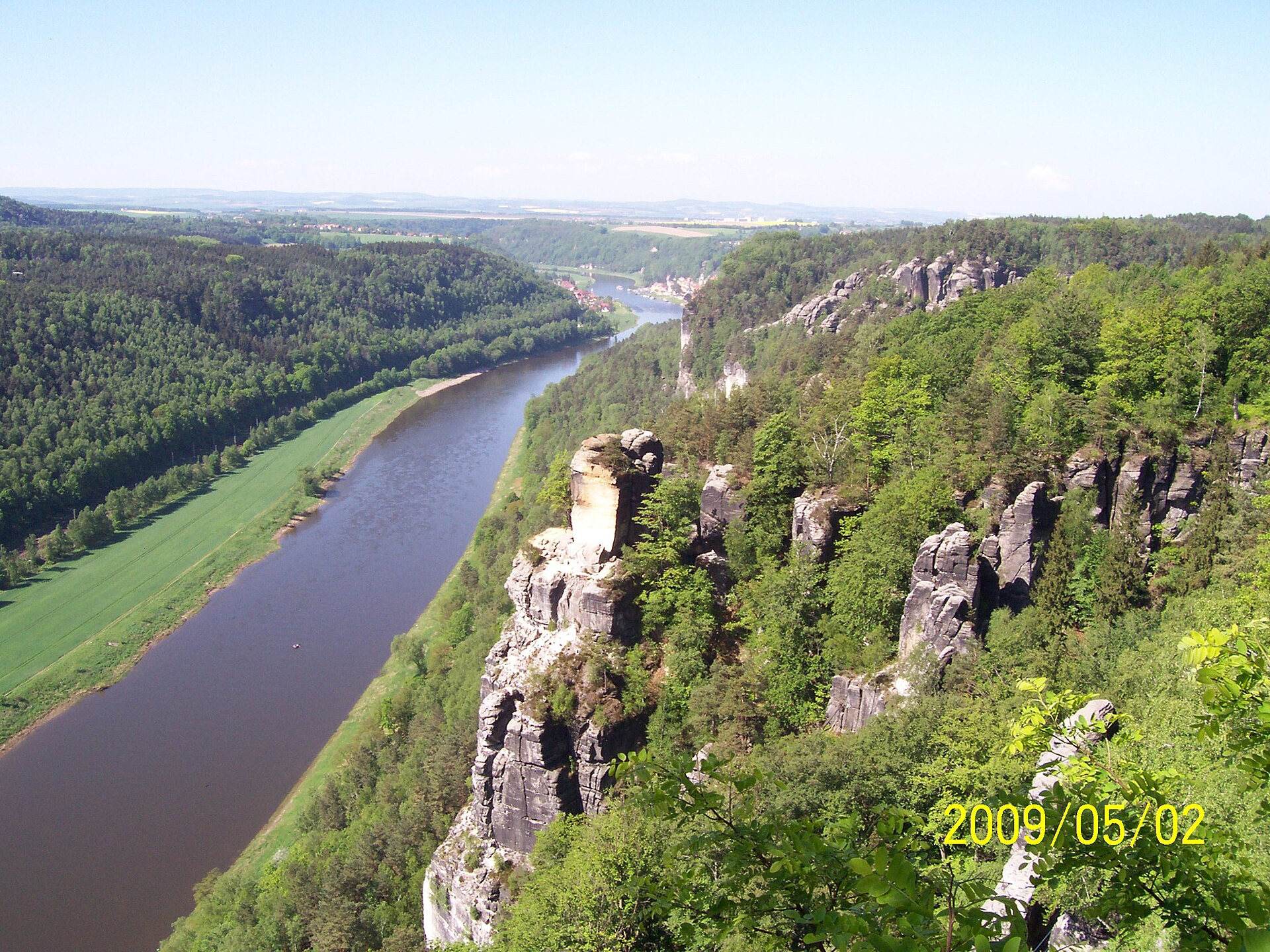
Perched above the Elbe River in Saxon Switzerland, Königstein rises nearly four hundred meters above the valley. Its cliffs and wooded slopes create a dramatic backdrop, with views that include the river winding through the landscape and jagged rock formations. The mountain’s appeal lies in its history and the stories embedded in its stones.
The fortress on its summit dates to the 14th century, built by Bohemian kings to oversee trade routes along the Elbe. Over time, it expanded into one of Europe’s most formidable strongholds under Saxon electors. It never fell to direct assault—local legends say it was breached only through deception. By the 16th and 17th centuries, its walls were reinforced to withstand years-long sieges.
Today, the fortress is one of Europe’s best-preserved. Nearly two kilometers of ramparts enclose barracks, armories, a prison, and a church. The well, carved by hand into the rock to a depth of over 150 meters, was a lifeline during sieges. Water was hauled up using pulleys. Walking through the fortress, you hear echoes of the past—the clatter of armor, the murmur of soldiers.
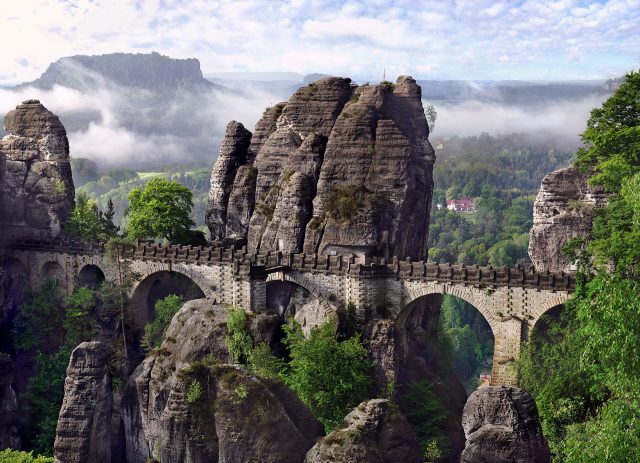
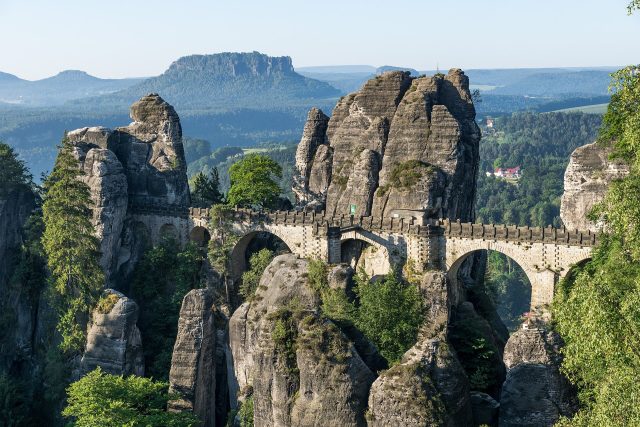
The mountain is also a destination for hikers and climbers. Trails range from gentle walks to challenging ascents. One route leads across the Bastei Bridge, a narrow stone span between two cliffs. From here, the Elbe Valley unfolds below, especially striking in the early morning when mist lingers over the river. In summer, quieter paths offer solitude, with only the rustle of leaves and birdsong breaking the silence.
Winter changes Königstein. Snow softens the cliffs, and fog often shrouds the summit. Some trails close due to ice, but the fortress remains open. In December, a Christmas market offers mulled wine and Saxon dishes like potato pancakes with apple sauce or game stew with dark beer. Even in the cold, the place feels alive.
History and nature blend here. Explore the fortress, then hike through the forest or watch the sunset from a viewpoint. As evening falls and tourists leave, the mountain grows quiet. The fortress, bathed in fading light, stands guard over the valley, just as it has for centuries. In those moments, you feel connected to those who walked these paths before—soldiers, merchants, rulers.
The surrounding area has small hotels and guesthouses, many with views of the fortress. Local cuisine relies on ingredients from the Elbe Valley: venison with root vegetables, freshly baked bread, or sausages with mustard and rye. Meals are meant to be savored after a day outdoors.
Königstein isn’t crowded. There are no pushy vendors or rushed itineraries. It’s a place for those who value quiet, history, and nature. Whether you visit for a day or a week, the mountain slows time. Wander without a plan, sit on a bench, or stand on the fortress walls and listen to the wind. That’s when Königstein reveals itself.