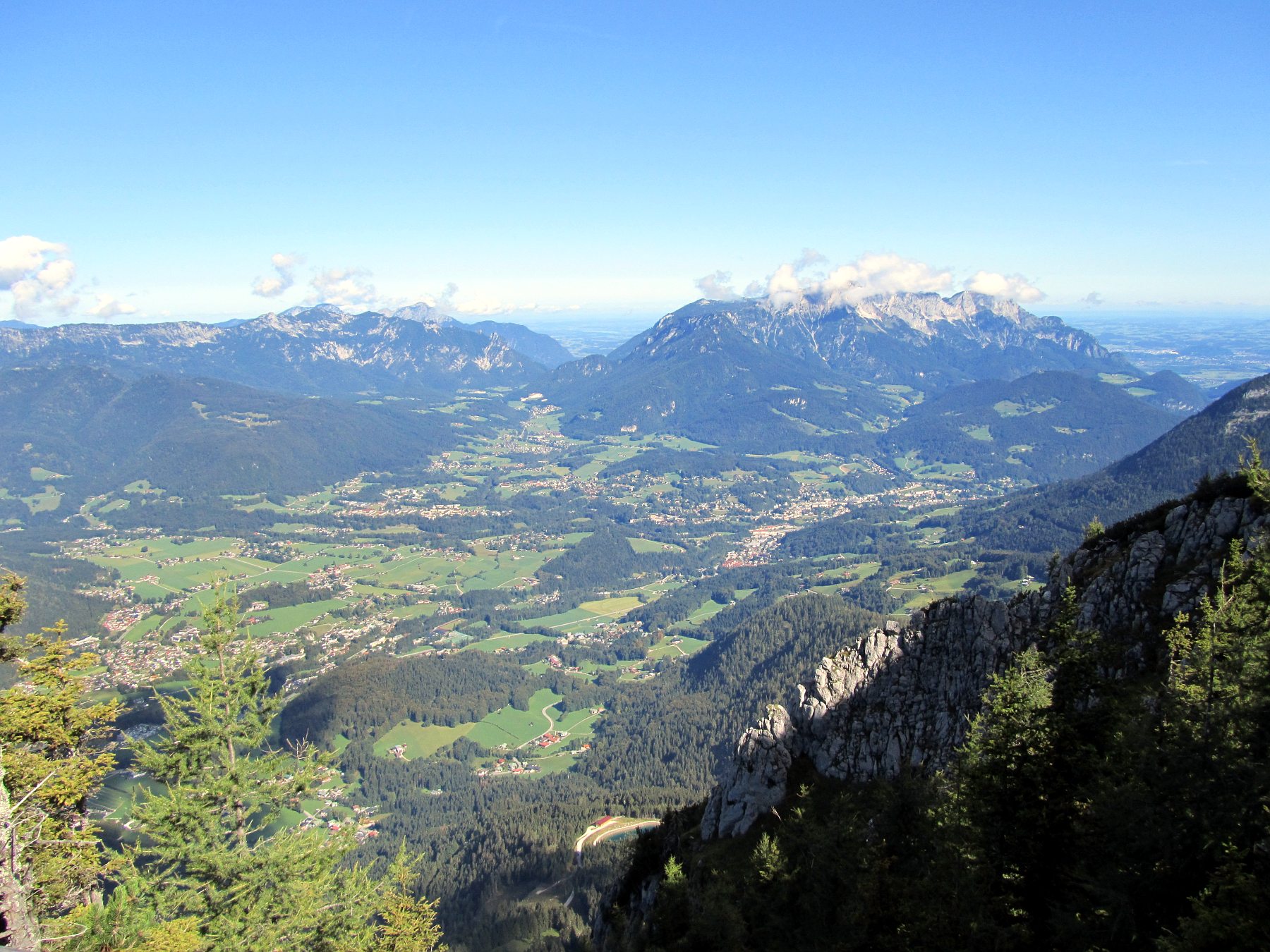
Jenner Mountain rises above Berchtesgaden like a quiet guardian of the Bavarian Alps, its slopes unfolding in layers of forest, meadow, and rock. At just under fifteen hundred meters, it’s not the tallest peak in the region, but its presence feels intimate—close enough to touch the sky, yet grounded in the daily life of the valley below. The lower reaches are thick with spruce and pine, their branches heavy with snow in winter or dappled with sunlight in summer. Higher up, the trees give way to alpine pastures where cows graze in the warmer months, their bells ringing softly in the breeze. In winter, the mountain transforms, its gentle gradients and well-groomed runs drawing skiers and snowboarders who prefer a less crowded alternative to the larger resorts nearby.
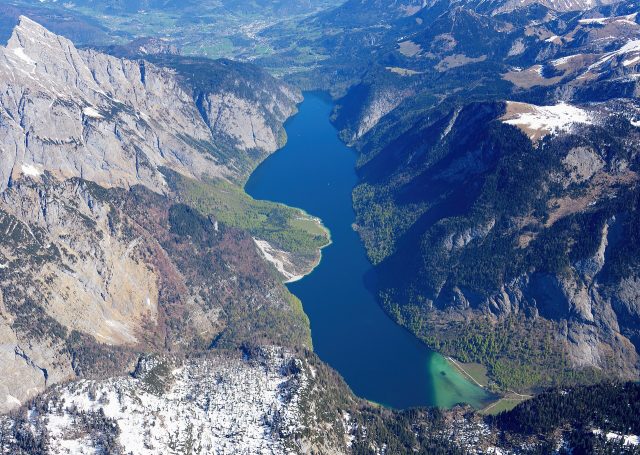
Most visitors take the cable car from the base, a short ride that carries you from the edge of Berchtesgaden’s old town up through the forest canopy. The ascent is gradual, the views expanding with each meter gained—first the rooftops of the village, then the patchwork of fields and forests stretching toward the horizon. At the top, the modern glass-and-steel station blends into the landscape, its large windows framing the panorama like a living postcard. On clear days, the mirror-like surface of Königssee appears far below, its deep blue waters contrasting with the rugged peaks that surround it. The observation deck is the first stop for most, a place to catch your breath and let the scale of the Alps sink in.
The mountain’s history is woven into the fabric of Berchtesgaden itself. For centuries, the region was shaped by the salt mines that sustained the local economy, their tunnels honeycombing the mountains long before tourism took hold. Jenner, though, remained largely untouched by human ambition until the 19th century, when the first hikers began making their way up its slopes. The cable car arrived in the mid-20th century, opening the summit to a wider audience, but even then, the mountain retained its understated charm. Unlike more famous peaks, it never became a symbol of conquest or extreme adventure—just a place where people could step away from the world for a few hours.
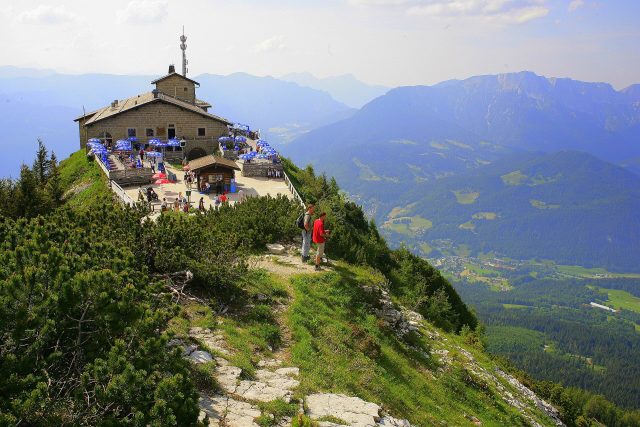
The architecture of the upper station reflects this balance between accessibility and respect for the landscape. The building’s clean lines and transparent walls make it feel like part of the scenery rather than an intrusion. Inside, the café and restaurant offer simple pleasures: a cup of coffee with a view, a plate of hearty Bavarian fare after a morning on the slopes. In summer, the terrace buzzes with conversation, but in winter, especially on weekdays, the atmosphere softens. The clink of glasses and the murmur of voices fade into the background, leaving only the sound of wind and the occasional scrape of skis being adjusted.
For those who prefer to explore on foot, Jenner offers a network of trails that cater to different levels of experience. The most popular route from the cable car station to the summit takes about an hour, winding through rocky outcrops and open meadows. The path is well-marked, though some sections require a bit of scrambling over loose stones. At the top, a simple metal cross stands as a quiet memorial to those lost in wars, its silhouette stark against the sky. From here, the view encompasses the entire Berchtesgaden range, with the jagged outline of the Austrian Alps visible in the distance on clear days.
Winter turns the mountain into a playground for snow sports. The runs here are varied—gentle slopes for beginners, steeper descents for those with more experience, and off-piste areas for those seeking untouched powder. The lifts run from early morning until evening, and a few trails are lit for night skiing, their floodlights casting long shadows across the snow. A dedicated learning zone near the base makes it easy for families to introduce children to skiing, with wide, forgiving slopes and patient instructors. Despite the activity, the mountain never feels overcrowded. There are no long lines for the lifts, no packed après-ski bars—just the rhythm of turns and the occasional whoop of delight as someone carves their way down.
What sets Jenner apart is its lack of pretension. It’s not a place for flashy displays or record-breaking feats, but for quiet appreciation. In summer, the trails are dotted with wildflowers, their colors vivid against the green of the meadows. In autumn, the forests blaze with red and gold, the air crisp with the promise of winter. Even in the off-seasons, when the cable car runs less frequently and the crowds thin out, the mountain has a way of drawing people back. Locals walk their dogs along the lower paths, or sit on the benches near the summit, watching the light change over the valley.
The mountain’s seasons mirror the pace of life in Berchtesgaden—unhurried, cyclical, deeply connected to the land. In spring, the thaw reveals patches of grass and the first brave crocuses pushing through the snow. By late summer, the pastures are lush, the air thick with the scent of hay and wild herbs. Then comes the first frost, the first dusting of snow, and the cycle begins again. For those who visit year after year, Jenner becomes a familiar presence, a place that changes yet always feels the same.
Standing at the summit, it’s easy to understand why people have been drawn to these mountains for centuries. There’s a sense of perspective here, a reminder of how small we are against the vastness of the landscape. The wind carries the sound of cowbells from the valleys below, the distant hum of a cable car, the laughter of children playing in the snow. It’s a place where time slows down, where the only agenda is to breathe in the air, take in the view, and let the quiet settle in. Jenner isn’t just a mountain—it’s a feeling, one that lingers long after you’ve descended back into the valley.