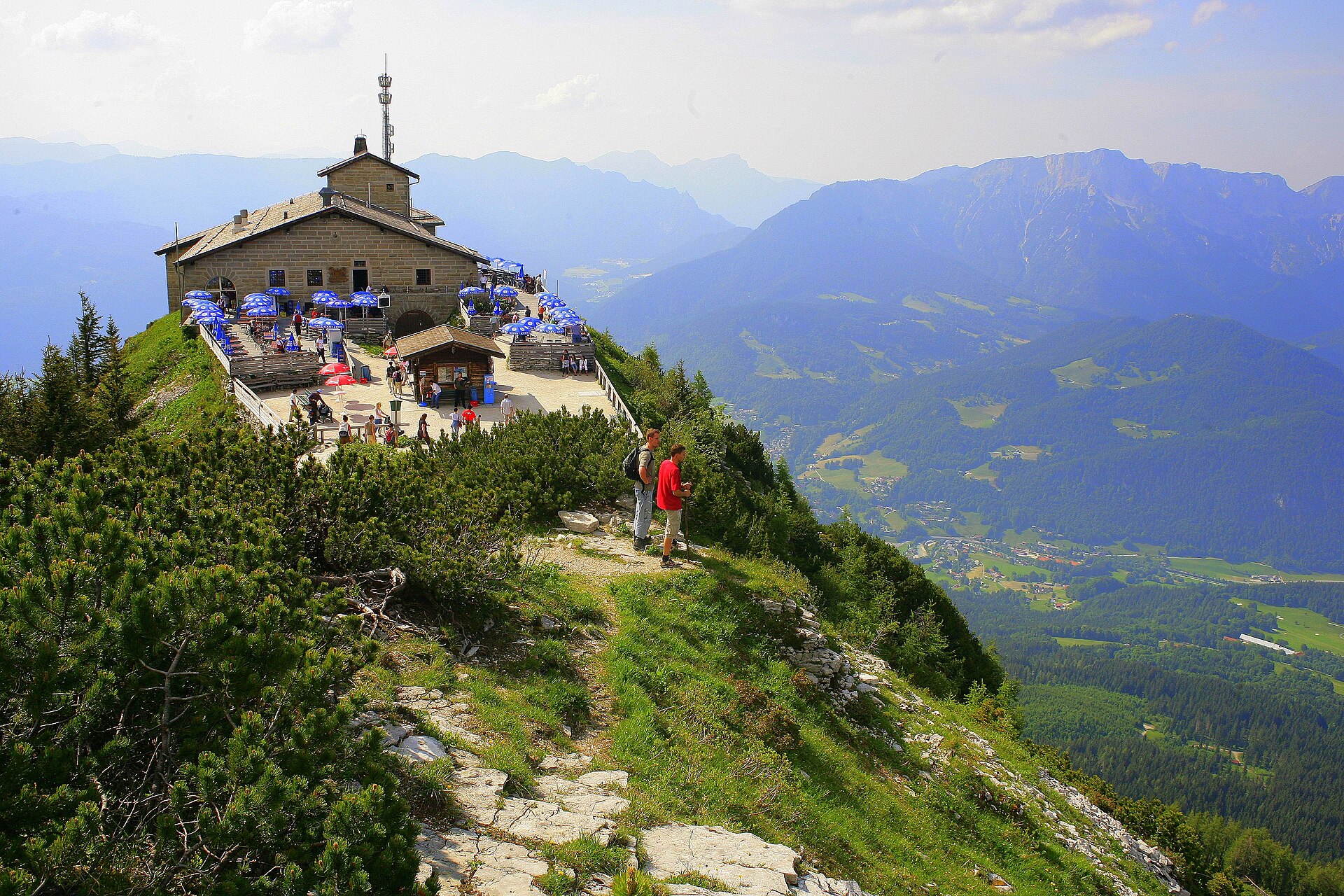
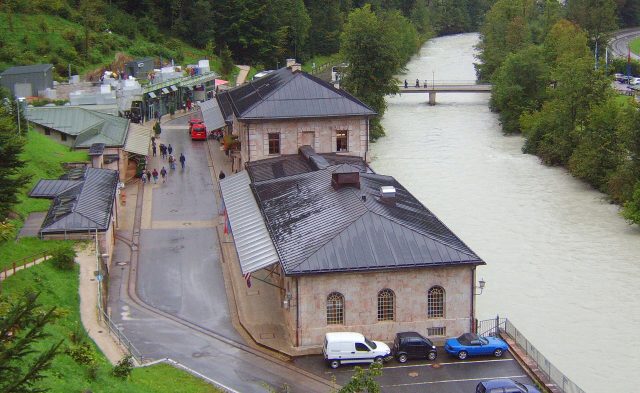
Perched in the heart of the Bavarian Alps, Berchtesgaden Palace is one of those rare places where history isn’t just preserved—it lingers in the air, in the creak of old floorboards, in the way sunlight filters through centuries-old windows. What began as an Augustinian monastery in the 12th century was chosen for its isolation, a quiet valley cradled by mountains where monks could live and pray undisturbed. Over time, the monastery evolved into a prince-provostry, then a secular residence, its walls bearing witness to the lives of those who shaped its destiny—from medieval scholars to Bavarian rulers.
The palace’s architecture is a layered story, each era leaving its mark. The oldest sections, with their sturdy Romanesque foundations, contrast with the later Baroque and Renaissance flourishes that soften the building’s silhouette. The facades, adorned with delicate stucco and arched windows, seem almost delicate against the rugged alpine backdrop, as if the mountains themselves have tempered the grandeur of human ambition. Inside, the rooms feel lived-in rather than merely ornate. Frescoed ceilings, worn wooden paneling, and heavy doors that have swung open for centuries all carry the weight of time, not as relics, but as silent participants in the palace’s ongoing narrative.
One of the most compelling spaces is the library, once one of the region’s most valuable collections. In an age when books were rare, the monastery amassed religious texts, scientific works, and historical chronicles, some of which survive today in exhibitions. The secularization of the early 19th century scattered much of the collection, but the room itself remains, its shelves lined with leather-bound volumes that no longer circulate but still exude the quiet authority of knowledge. The scent of old paper, the hush of the space, and the way the light slants across the reading tables make it easy to imagine scholars bent over manuscripts, oblivious to the world outside.
The palace’s history is deeply entwined with that of Bavaria and Germany itself. By the 18th century, it had become the seat of a prince-provost, a figure who wielded both spiritual and temporal power over the small principality. The upheavals of the Napoleonic Wars saw Berchtesgaden briefly absorbed into Austria before returning to Bavarian rule, each shift leaving its imprint on the building. Rooms were expanded, repurposed, or stripped of their treasures, yet the palace endured, a symbol of continuity in a region buffeted by change. Even today, it stands as a reminder of how faith, politics, and power have long intersected in these mountains.
Visitors today will find the palace far from a static museum. While its permanent exhibits trace the building’s history, temporary displays often explore broader themes—regional art, environmental conservation, or the challenges of preserving cultural heritage. In warmer months, the inner courtyard becomes an open-air concert venue, where classical music drifts through the arcades, blending with the murmur of visitors and the distant sound of church bells. The effect is disarming, as if the past and present have momentarily aligned.
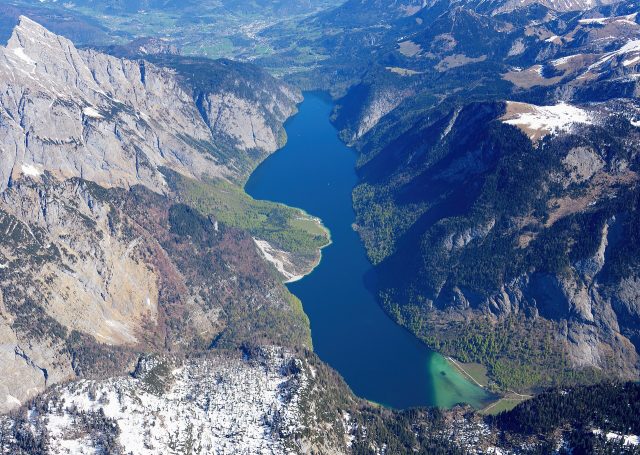
Beyond the palace walls, Berchtesgaden offers a landscape that has shaped life here for centuries. The same mountains that once sheltered the monastery now draw hikers in summer and skiers in winter, while the lakes and forests provide a sense of timelessness. The old town, with its narrow streets and half-timbered houses, feels like an extension of the palace itself, a place where history isn’t confined to monuments but woven into the fabric of daily life. Even a casual stroll reveals how deeply the land and its people are connected—whether in the way a church spire echoes the peaks above or how a local café serves recipes that have been passed down for generations.
This isn’t a place to rush through. Each room, each courtyard, each worn stone step has its own story, and uncovering it requires patience. You might spend an hour deciphering the symbolism in a faded fresco or simply sit in the cloister, watching how the light shifts across the walls as the day progresses. The palace rewards those who linger, who are willing to let its atmosphere seep in rather than ticking off sights from a checklist. It’s a reminder that history isn’t just about dates and events but about the spaces where people lived, dreamed, and made decisions that rippled outward.
In recent decades, the palace has taken on a new role as a cultural hub. Scientific conferences, craft workshops, and festivals breathe life into its halls, while locals treat it with a quiet reverence, seeing it not just as a tourist attraction but as part of their own heritage. For visitors, this dual identity—both a monument and a living space—makes Berchtesgaden Palace feel less like a relic and more like a conversation between past and present. Whether you come for the architecture, the history, or simply the chance to step into a slower rhythm, the palace offers something rare: a sense of continuity in a world that often feels fragmented.