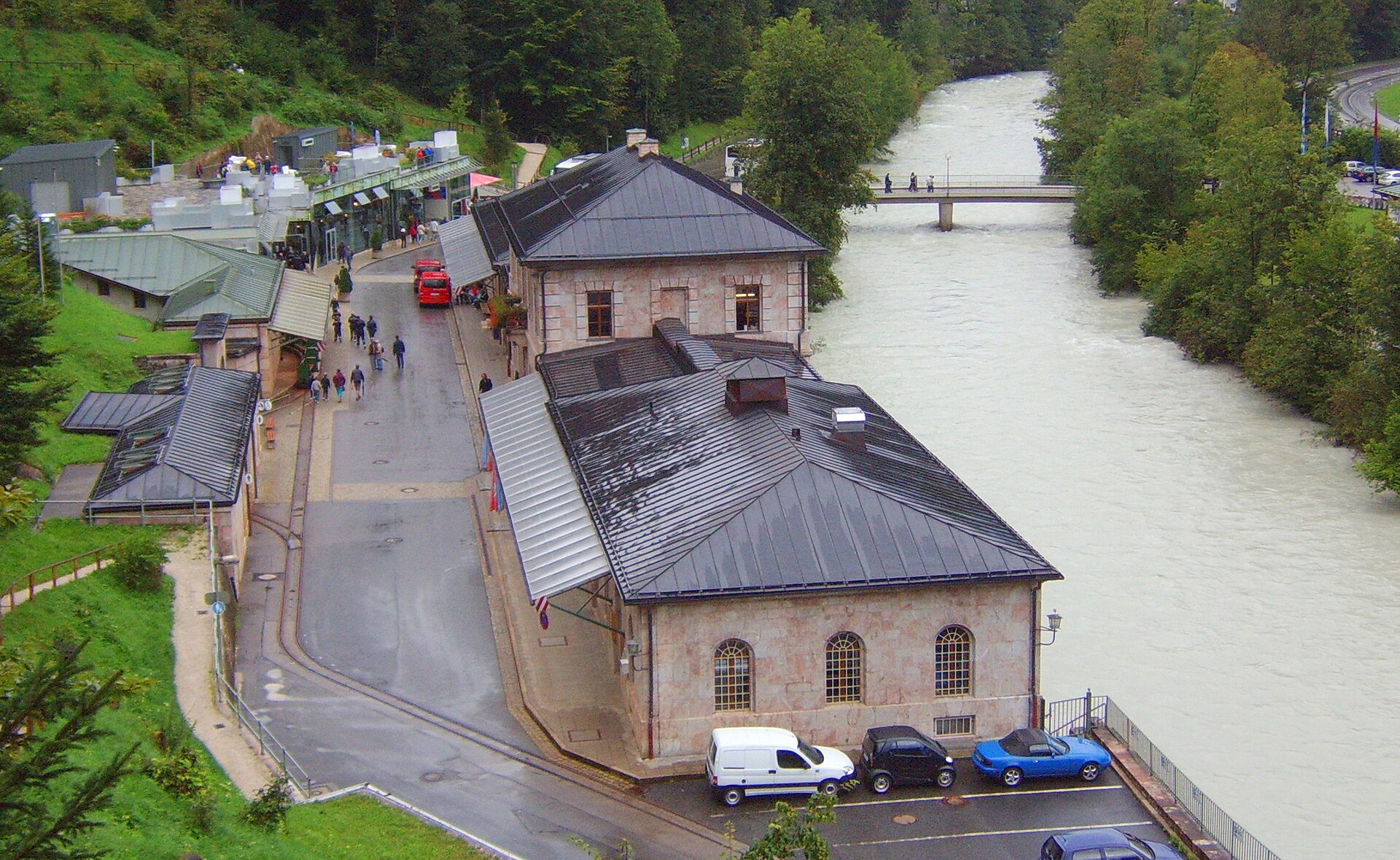
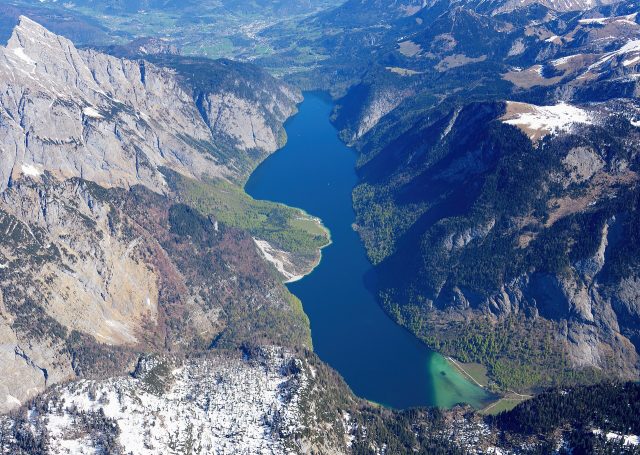
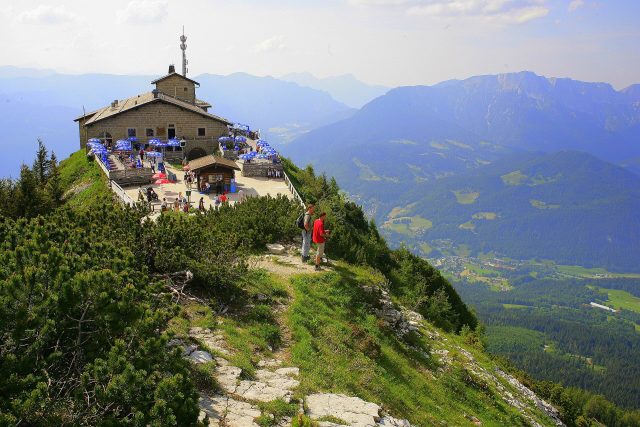
Deep beneath the Bavarian Alps, where the air carries the scent of pine and damp earth, lies a place where history isn’t just preserved—it’s still alive. The Berchtesgaden Salt Mine has been a cornerstone of this region for centuries, a hidden world where the past and present coexist in the cool, mineral-rich darkness. Unlike static museums or abandoned ruins, this is a working mine, a place where salt is still extracted today, just as it has been since the Middle Ages. The journey here begins in the quiet town of Berchtesgaden, nestled among forested hills and jagged peaks, where the only sounds are the rush of mountain streams and the occasional call of a bird echoing through the valleys.
The story of the mine stretches back to the 12th century, when monks first discovered the salt deposits buried in these mountains. At the time, salt was more valuable than gold—it was the world’s primary preservative, essential for curing meat and fish, and a commodity so precious that wars were fought over it. The Berchtesgaden mines quickly became a strategic asset, shaping the region’s economy and politics. In the early days, miners carved tunnels by hand, using little more than picks and brute strength. Over time, methods evolved, but the mine retained its raw, unpolished character. Today, visitors can walk through galleries that span different eras, from narrow medieval passages to wider, more modern tunnels, each layer telling a part of the mine’s long history.
Descending into the mine feels like stepping into another time. A narrow-gauge railway carries visitors deep underground, winding through damp, dimly lit tunnels where the air grows cooler with each passing meter. The train moves slowly, giving you time to adjust to the silence and the weight of the mountain above. Along the way, wooden supports—some centuries old—line the walls, their weathered beams still holding firm. Occasionally, you’ll spot the tools of past miners: rusted picks, oil lamps, and wooden carts that once carried salt to the surface. The mine doesn’t just display these relics; it keeps them where they were left, as if the workers might return at any moment.
The most thrilling part of the visit is the wooden slides, once used to transport salt down to the lower levels. These steep, slick chutes are both exhilarating and slightly unnerving, a reminder of how physically demanding the work here once was. Centuries ago, miners would send sacks of salt hurtling down these ramps, where they’d be loaded onto boats or wagons for transport. Today, visitors slide down them for fun, laughing as they grip the handrails, though the experience still carries a hint of the danger that once defined this place. Nearby, an underground lake reflects the faint light of the tunnels, a quiet contrast to the adrenaline of the slides. The lake isn’t just for show—it helps regulate the mine’s humidity, a small but vital part of keeping the tunnels stable.
Beyond its industrial history, the mine is also a natural wonder. At a depth of around 100 meters, the temperature hovers around 10 degrees Celsius year-round, and the air is thick with salt particles. The high humidity and mineral-rich atmosphere have long been believed to have therapeutic benefits, particularly for respiratory ailments. Some areas of the mine are set up for halotherapy, where visitors can sit in quiet chambers, breathing in the salty air. Even without the health claims, the mine has a meditative quality—the stillness, the dim light, and the sense of being surrounded by centuries of history create a space where time seems to slow down.
The mine’s history took a darker turn during World War II, when the Nazis repurposed parts of it for secret military production. In 1944, underground chambers were expanded to house a factory for aircraft engines, with equipment smuggled in under cover of night to avoid Allied bombs. After the war, much of the machinery was removed or destroyed, but traces of this period remain. In some tunnels, you can still see the scars of explosions and bullet holes, silent witnesses to a time when the mine was part of a much larger conflict. The mine’s role in the war is a small but sobering chapter in its long story, a reminder of how even the most remote places can be swept up in history’s currents.
Today, the Berchtesgaden Salt Mine is still an active operation, though on a much smaller scale than in its heyday. Modern mining techniques are less dramatic than the hand-dug tunnels of the past, but they allow the mine to remain functional while welcoming visitors. What tourists see is only a fraction of the vast underground network—most of the tunnels stretch for kilometers into the mountain, accessible only to workers. Yet even the public sections offer a glimpse into the mine’s scale and complexity. The contrast between the old and new is striking: ancient wooden supports stand alongside modern lighting, and the echoes of history mix with the hum of contemporary machinery.
What makes the Berchtesgaden Salt Mine special isn’t just its age or its industrial significance—it’s the way it feels alive. This is a place where the past isn’t locked away behind glass; it’s still part of the present, still shaping the mountain and the people who work here. Walking through its tunnels, you can almost hear the voices of the miners who once toiled in the dark, their labor echoing through the centuries. The mine doesn’t just tell a story; it lets you step into it, to feel the weight of history in the cool air and the rough walls. That’s why people keep coming back—not just to see, but to connect with something real, something that has endured long after the world above has changed.