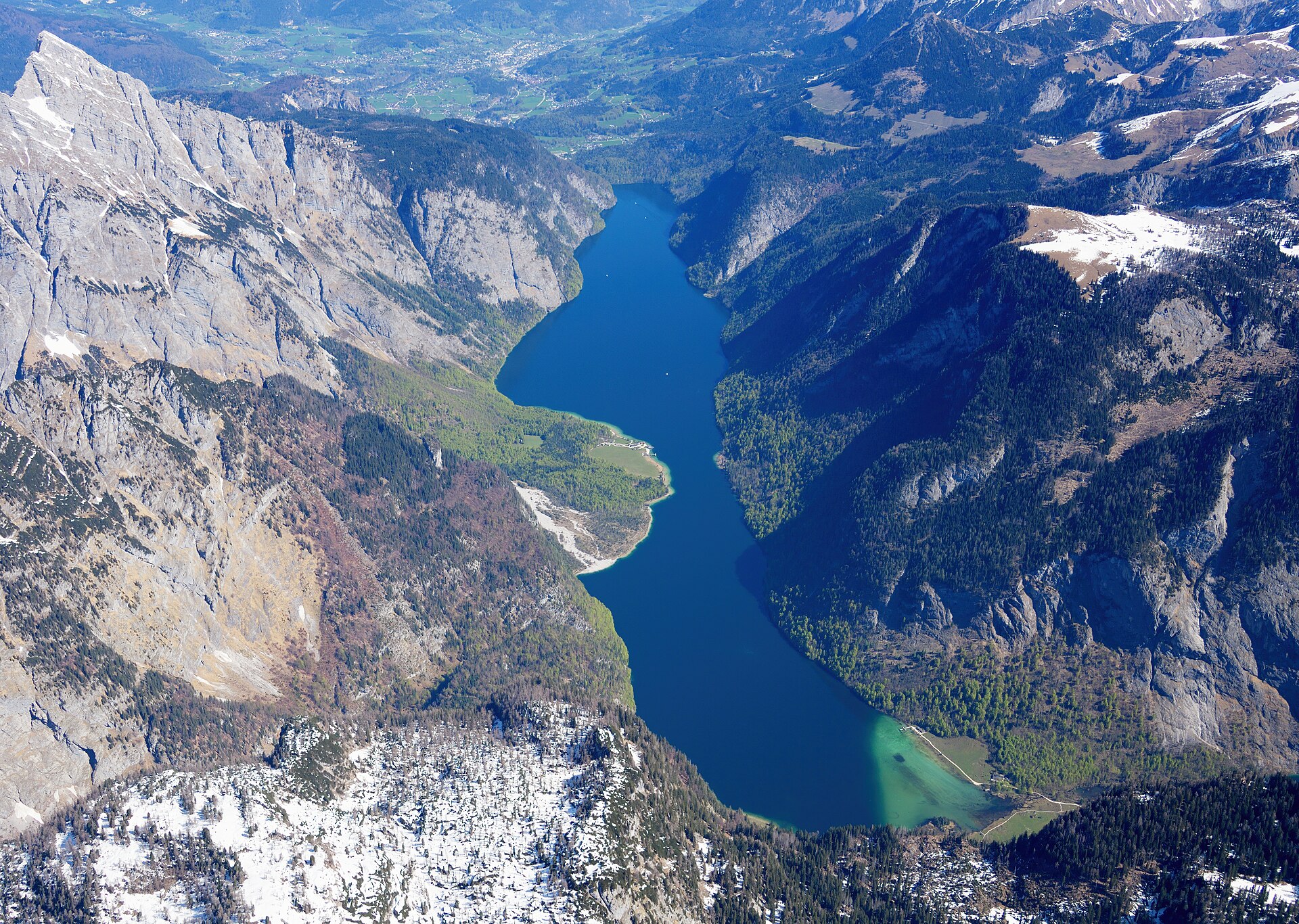
Lake Königssee feels like a place that shouldn’t quite exist—too perfect, too still, as if the Bavarian Alps themselves paused to create something flawless. Tucked between sheer cliffs and dense forests, the water is so clear it mirrors the sky and mountains with unsettling precision. The silence here isn’t just the absence of noise; it’s a presence of its own, broken only by the dip of oars or the distant echo of a voice bouncing off the opposite shore. Even in summer, the water stays stubbornly cold, a reminder that this is a landscape shaped by glaciers and time, not comfort. Yet that chill doesn’t deter those who come seeking something untouched, a corner of the world where nature still dictates the rules.
The lake’s history is woven into the fabric of the region. For centuries, these lands belonged to the Berchtesgaden monastery, a place of retreat and reflection long before tourism existed. Later, Bavarian kings claimed the area as their own, drawn to its isolation and the way the mountains seemed to guard its secrets. By the 19th century, Königssee had become a favored escape for European aristocracy, a place where the elite could pretend, if only for a moment, that the industrial world hadn’t yet arrived. Today, that legacy lingers in the quiet dignity of the place. There are no grand hotels or neon signs, just the same sense of reverence that must have struck visitors a hundred years ago.
Reaching the lake is part of the experience. Cars are banned, and the only way in is by foot or boat, a rule that preserves the stillness. Electric boats glide from the northern shore, their motors humming softly as they trace the shoreline. The journey feels deliberate, almost ceremonial, with stops at the most striking points. One of these is the Chapel of St. Bartholomew, a small red-roofed church perched on a narrow peninsula. Built in the 17th century, it’s little more than a shell inside—just a few faded icons and the scent of old wood—but its silhouette against the water is one of those images that stays with you. The chapel wasn’t meant to be grand; it was meant to belong, and it does.
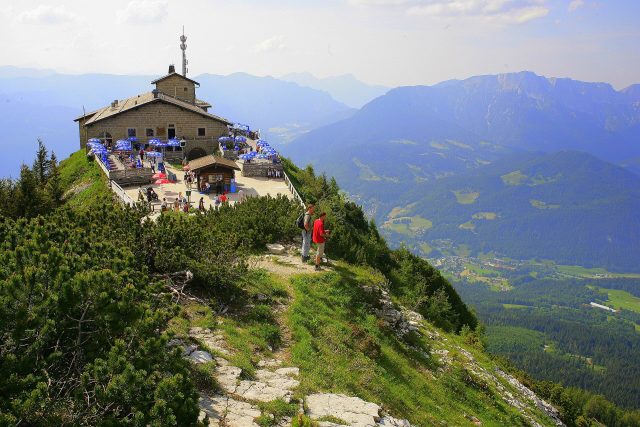
The mountains around Königssee are a world unto themselves. Watzmann, the most famous peak, looms over the lake with its three jagged summits, still dusted with snow even in summer. It’s one of Germany’s highest mountains, and its presence is inescapable, a silent sentinel watching over the water. For hikers, the area offers trails that range from gentle walks along the shore to challenging climbs up to viewpoints like Eisgipfel, where the entire lake unfolds below. In winter, the landscape transforms. The lake freezes into a vast, unbroken sheet of ice, and the mountains become a playground for skiers. But even then, the quiet remains, as if the cold has hushed the world.
Beyond the scenery, Königssee is shaped by the people who live here. The villages around the lake have resisted the kind of development that turns places like this into theme parks. Instead, life moves at an older rhythm: farmers tend their herds, craftsmen work with wood and leather, and breweries still follow recipes that haven’t changed in generations. In Berchtesgaden, just a short distance away, the taverns serve food that tastes like it’s been cooked the same way for centuries—pork knuckle so tender it falls off the bone, dumplings that soak up rich gravy, sauerkraut with a tang that cuts through the fat. The beer, too, is part of the tradition, pale and cloudy, poured into heavy glass steins. There’s no pretense here, just the straightforward pleasure of eating and drinking what the land provides.
The lake reveals different faces with the seasons. Summer brings crowds, but even at its busiest, there are moments when you can find solitude along the shore or on a quiet trail. Spring is quieter, the water at its clearest, the mountainsides dotted with wildflowers. Autumn is when the forests erupt in color, the trees blazing red and gold in a display so vivid it feels almost unreal. Winter, though, is when Königssee is at its most serene. The tourists thin out, the lake freezes, and the only sounds are the crunch of snow underfoot and the occasional crack of ice shifting. It’s a place that demands patience, rewarding those who take the time to simply be still.
What’s striking about Königssee is how little it has changed. There are no sprawling resorts, no flashy attractions, just a handful of guesthouses and small restaurants where the menu hasn’t been designed for tourists. The appeal isn’t luxury; it’s authenticity. People come here not to be entertained, but to step outside of time for a while. That’s the paradox of the place: it’s famous, yet it doesn’t feel like a destination. It feels like a discovery, a reminder that some landscapes are too powerful to be tamed. The lake doesn’t need to impress. It just is, and that’s enough.