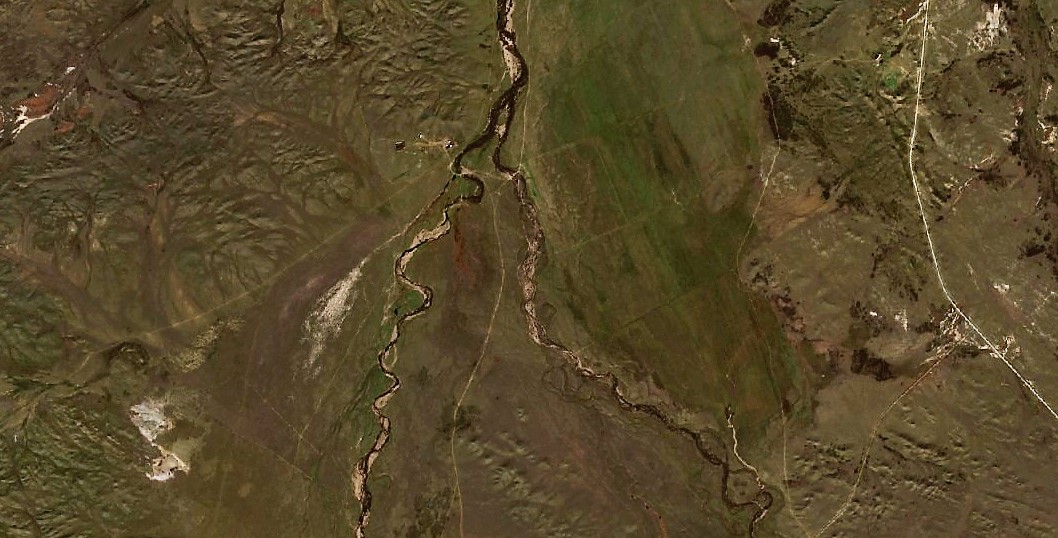
Akbastau Mountain rises above the landscape near Karkaralinsk like a silent guardian of the steppes. Its name, which translates to White Mountain, comes from the pale rock formations that stand out against the surrounding terrain. On clear days, sunlight catches the stone, giving it a faint silvery glow. While not the tallest peak in the region, Akbastau has become one of the defining landmarks of Karkaralinsk National Park, drawing those who seek quiet moments in nature rather than challenging climbs.
The area around the mountain feels unlike much of central Kazakhstan. Instead of endless open steppe, rolling hills are covered in pine forests, and small, clear lakes hide in the lowlands. Akbastau seems to mark a boundary between two worlds—the familiar vastness of the steppe on one side and pockets of woodland on the other, remnants of a time when these lands were greener. From the summit on a clear day, the view stretches for dozens of kilometers, revealing the outlines of other mountain ranges, including the well-known Karkaraly Mountains.
The history of Akbastau is woven into the story of the region itself. For centuries, nomadic tribes roamed these lands, using the mountains as landmarks, shelters, and even sacred sites. Archaeologists have uncovered traces of ancient camps, and local legends speak of rituals once performed on the summit to honor the spirits of nature. Later, when Russian settlers arrived, the mountain became part of their new life—cattle grazed on its slopes, berries and mushrooms were gathered in the forests, and in winter, sleds glided down the snow-covered hills.
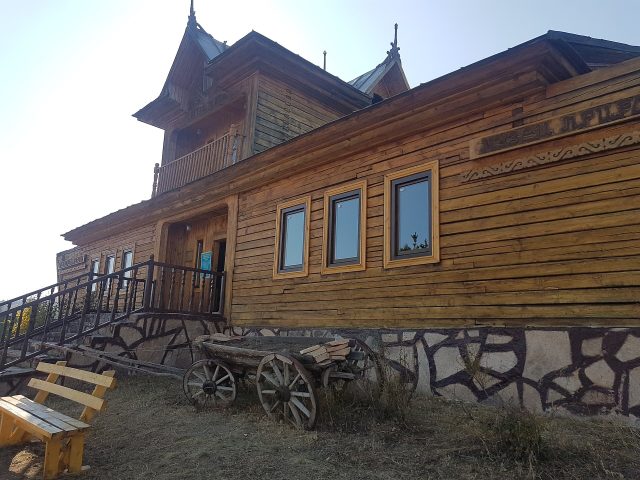
There are no grand monuments or man-made structures on Akbastau, but the mountain and its surroundings have a distinct atmosphere that appeals to artists, photographers, and writers. The rock formations, covered in moss and lichen, take on strange shapes—some resembling ancient fortresses, others like creatures from a dream. In spring and summer, wildflowers bloom on the slopes, including rare species protected by conservation efforts. Autumn turns the forests into a blaze of color, while winter blankets the landscape in snow, transforming it into something almost magical.
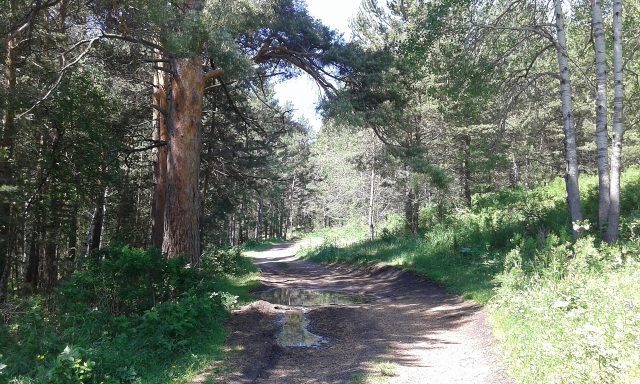
Reaching the summit of Akbastau is possible along several routes, each offering its own experience. The easiest path winds through a pine forest, where the scent of resin fills the air and needles crunch underfoot. Another route crosses rocky slopes, requiring careful steps but rewarding hikers with sweeping views of the valleys below. At the top, there are no signs, viewing platforms, or crowds—just open space, wind, and silence, broken only by the calls of birds or the distant whinny of horses. It’s a place where time seems to slow, where you can sit on a rock and watch clouds cast moving shadows over the land.
Akbastau isn’t a destination for thrill-seekers or those looking for entertainment. There are no amusement rides, souvenir shops, or bustling cafes. Instead, it offers something far more elusive in everyday life: quiet, clean air, a sense of vastness, and a connection to nature. Many visitors come for days at a time, camping at the mountain’s base, exploring nearby trails, or sitting by a fire while locals share stories of caravans that once passed through and bears that once roamed the forests.
Today, the area is part of a national park, and certain rules help protect its natural state. Campfires must be kept in designated areas, litter is strictly prohibited, and wildlife should not be disturbed. These restrictions don’t detract from the experience—instead, they help preserve the landscape as it has been for generations. Spring and autumn are especially beautiful here, but winter has its own charm, softening the sharp edges of the rocks with snow and filling the air with crisp freshness.
For those visiting Karkaralinsk, Akbastau is often a must-see stop. It’s not just another landmark but a place that lingers in memory, perhaps because there’s nothing forced about it—no guides, no explanatory signs, no crowds. Just you, the mountain, and the endless sky above. That’s why people return, as if trying to uncover some secret held by this white peak in the heart of the Kazakh steppe.