The Ghana Armed Forces Museum in Kumasi offers a rare glimpse into the country’s past through the lens of its military history, but it does so in a way that feels far from the sterile displays of conventional war museums. Instead of dry facts and dusty relics, the exhibits here tell a story of resilience, adaptation, and the quiet strength of a nation that has shaped its identity through conflict and peacekeeping. The museum doesn’t just chronicle battles; it reveals how the armed forces have been intertwined with Ghana’s journey from colonial rule to independence and beyond, serving as both protectors and peacekeepers in a region where stability has often been fragile.
The building itself is a piece of history, constructed in the mid-20th century as Ghana—then the Gold Coast—stood on the brink of independence. Its architecture blends the practicality of a military structure with subtle nods to Ashanti design, a reflection of Kumasi’s cultural heritage. Thick walls and high ceilings give the space an airy feel, while large windows allow natural light to flood the galleries, softening the weight of the artifacts within. The exhibits unfold chronologically, beginning with the pre-colonial era, when local warriors defended their lands with spears, shields, and the occasional musket traded from European merchants. These early displays set the stage for understanding how military traditions evolved alongside the region’s shifting political landscape.
One of the most compelling sections focuses on Ghana’s struggle for independence and the early years of nationhood. Here, photographs, personal belongings, and documents bring to life the figures who laid the foundation for the country’s modern military. Among the exhibits are the uniforms of officers who once served in British colonial forces, alongside weapons used in the border disputes that flared up soon after independence. These artifacts serve as a reminder of the challenges faced by a young nation navigating regional tensions, where borders were often contested and alliances uncertain. The displays don’t glorify war but instead highlight the pragmatism required to build a sovereign state in a volatile environment.
A separate hall is dedicated to Ghana’s role in United Nations peacekeeping missions, a commitment that has defined the country’s military identity on the global stage. Ghana was among the first African nations to contribute troops to UN operations, and its soldiers have served in some of the world’s most troubled regions—from Congo in the 1960s to Lebanon, Kosovo, and Mali in recent decades. The museum preserves this legacy through photographs of Ghanaian peacekeepers in their iconic blue helmets, along with medals, equipment, and even vehicles used in these missions. The exhibits underscore Ghana’s reputation as a stabilizing force, not just within Africa but across continents, where its troops have often been deployed to protect civilians and mediate conflicts.
Outside, a collection of military hardware offers a tangible connection to the past. Tanks, armored personnel carriers, and artillery pieces from different eras stand in the open air, their weathered surfaces hinting at the stories they could tell. Among them is a Soviet T-55, a relic from the 1970s when Ghana sought new alliances amid shifting Cold War dynamics. The contrast between these machines and the more modern equipment nearby reflects the country’s evolving military partnerships. Visitors, especially local school groups, often gather around these vehicles, their curiosity turning the exhibits into interactive lessons about history and technology.
Beyond the hardware and battles, the museum also explores the human side of military life. Exhibits on daily routines, training, and traditions offer a glimpse into the lives of soldiers across generations. Models of barracks from different periods, personal diaries, and everyday items reveal how military culture has adapted over time. One particularly interesting section highlights the role of women in Ghana’s armed forces, featuring photographs and documents of the first female officers who broke barriers in a traditionally male-dominated institution. These displays serve as a reminder that the military, like any other part of society, has been shaped by the people who serve in it.
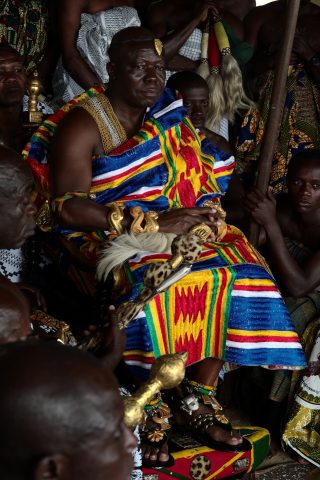
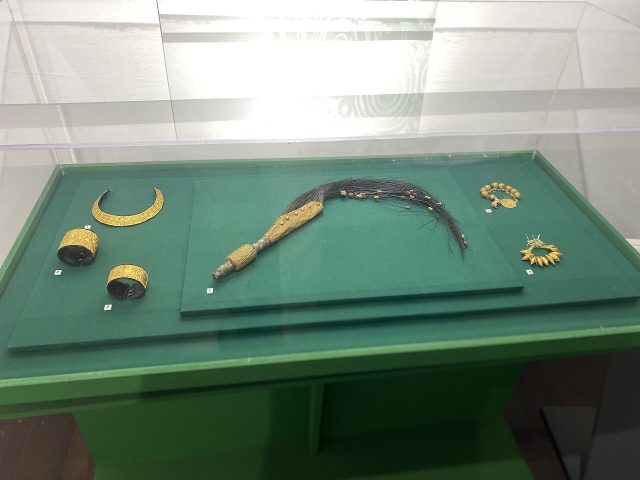
Kumasi’s identity as the cultural heart of the Ashanti people adds another layer to the museum’s narrative. The city’s rich history, craftsmanship, and traditions are deeply connected to its military past, and the museum often hosts temporary exhibitions that delve into this heritage. Visitors can learn about the tactics of Ashanti warriors, the significance of gold ornaments and kente cloth in military culture, and how these traditions influenced the modern army. The museum doesn’t just present history; it connects the dots between past and present, showing how local customs have endured even as the nature of warfare has changed.
What makes the Ghana Armed Forces Museum stand out is its refusal to romanticize war. There’s no grand narrative of victory or heroism here, just a straightforward account of how military history has shaped the nation. For those interested in African history, the museum provides valuable context for understanding how the continent has navigated independence, conflict, and global engagement. For Ghanaians, it’s a place to honor the service of those who have worn the uniform, often far from the spotlight of political history. The exhibits don’t shy away from the complexities of war, but they also celebrate the moments when Ghana’s military has been a force for peace.
A visit to the museum is more than just an educational experience; it’s a chance to feel the pulse of a country where the military has always been a part of the fabric of society. The stories told here are not just about battles and strategies but about the people who fought, served, and sometimes sacrificed for their nation. Whether you’re a history enthusiast or simply curious about Ghana’s past, the museum offers a thoughtful and nuanced perspective on how a nation’s identity is forged in times of both conflict and calm.