Gazimestan is where Serbian history presses down like the weight of the Kosovo Field beneath your feet. On a low hill near Obilić, this memorial marks the ground where Prince Lazar’s forces met the Ottoman army led by Sultan Murad I in June 1389. The Battle of Kosovo didn’t decide only the fate of medieval Serbia—it became a story of resistance, repeated in epic poetry and folk songs for centuries.
The memorial is simple. A white stone tower rises at its center, topped with a marble slab inscribed in Old Church Slavonic. The words are from the *Kosovo Covenant*, a vow of loyalty and sacrifice. Around the tower, an open plaza lets visitors step forward and look across the fields where the battle raged. Smaller markers stand nearby, each one for those who died that day.
The name Gazimestan comes from the Turkish *gazi* (warrior) and the Serbian *mesto* (place). It holds two meanings: for Serbs, a loss and a moment of defiance; for the Ottomans, the start of their rule in the Balkans. Over time, Gazimestan has become more than a memorial. It’s where history is both mourned and remembered, where the past lingers in the wind.
Visiting Gazimestan isn’t like visiting a museum. There are no tours, no displays—just the land, unchanged. The wind moves through the grass, the horizon stretches wide, and the only sounds are the voices of visitors. In summer, Serbs from across the country come to lay flowers or stand in silence. The mood is quiet, not heavy.
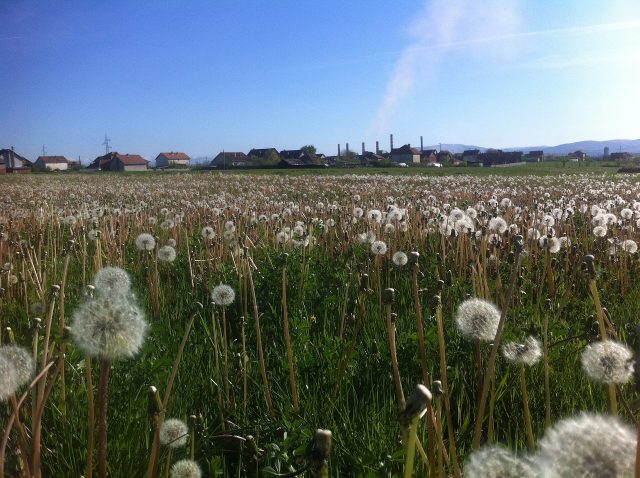
The fields around Gazimestan are the same as they were centuries ago. Sheep graze where armies once fought, and farmers work the same soil. The land hasn’t been altered or romanticized—it’s real, and it feels timeless. From the hill, you can almost see the battle: the dust, the noise, the cries.
One story tied to Gazimestan is Prince Lazar’s choice. On the eve of battle, legend says he was offered a choice between an earthly kingdom and a heavenly one. He chose the latter, knowing his army would lose but believing their sacrifice would matter. This tale, passed down through generations, has shaped Serbian folklore.
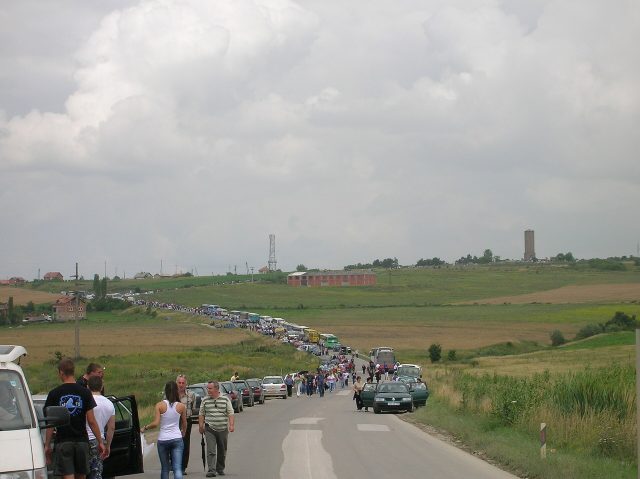
For Serbs, especially those in Kosovo, Gazimestan is important. It’s where history isn’t just read—it’s felt. Every year on Vidovdan, June 28th, thousands gather here. They listen to speeches, pray, and lay wreaths. But the quiet moments matter most: a family reading names on a plaque, an elderly man reciting a poem, a child hearing stories of the past.
Gazimestan doesn’t soften history. It doesn’t explain the Battle of Kosovo—it lets you stand where it happened. The land tells the story in the shape of the hills, the wind, the light. The past isn’t just remembered here. It’s still here, waiting for those who listen.