
Obilić
Serbia · 7 places
Photo: Ant83 at Serbian Wikipedia, Public domain
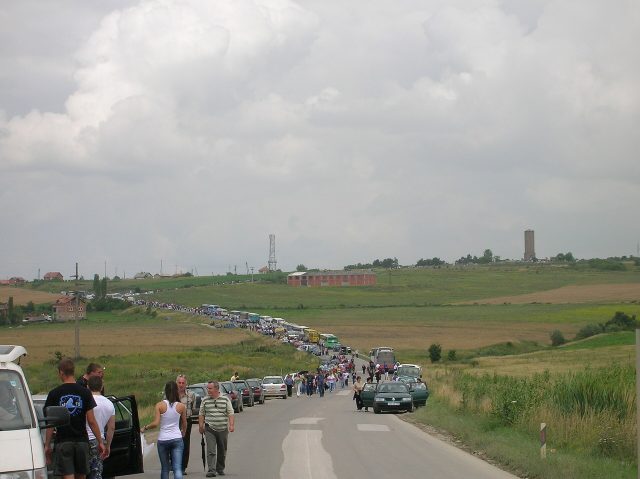
Oбилиć sits quietly in the heart of Kosovo, a place most travelers overlook—and that’s precisely what makes it worth a visit. There are no crowds here, no grand monuments clamoring for attention, no souvenir stalls lining the streets. Instead, the town offers something far rarer: a glimpse of Kosovo as it is, not as it’s packaged for outsiders. The landscape is gentle, a stretch of low hills framing the flat expanse where the town unfolds, its streets layered with traces of the past—Ottoman-era houses standing beside Yugoslav-era apartment blocks, all worn smooth by time. The name itself carries weight, tied to the legendary Miloś Obilić, the Serbian knight said to have slain Sultan Murad I on the Kosovo Field in 1389. The story lingers in local memory, though the town itself makes no grand claims to history.
Life in Obilić moves at its own unhurried pace. Mornings begin with elderly men gathering in the central square, sipping coffee and debating the day’s news, while evenings bring games of backgammon or quiet conversations on benches. The town has a handful of small cafés and restaurants where the food is simple but deeply satisfying—thick ajvar spread on fresh bread, slow-cooked stews, or grilled meats served with a side of warm hospitality. The locals are friendly without being intrusive; they’ll chat if you show interest, but they won’t pry. There are no luxury hotels here, just a few guesthouses where the rooms are clean and the welcome is genuine, offering a chance to settle into the rhythm of everyday life.
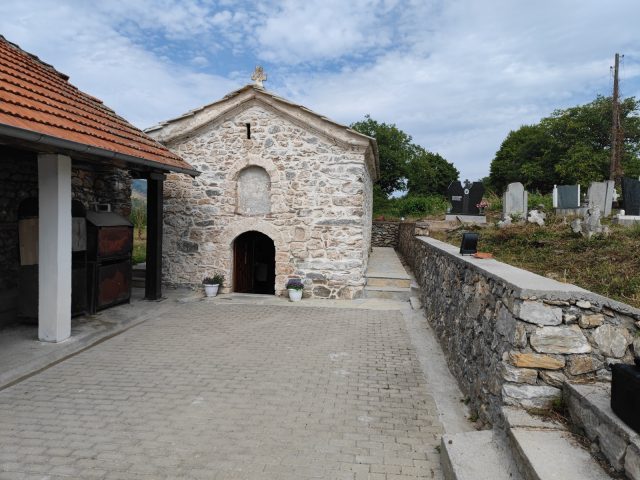
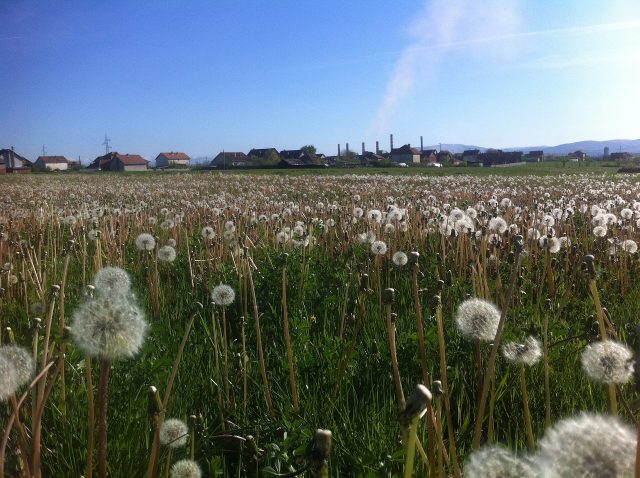
The real draw of Obilić lies just beyond its borders. A short distance away, the Kosovo Field stretches out, the same plain where the fate of the Balkans was once decided in battle. Today, it’s a quiet place, where wheat fields ripple in the wind and vineyards climb the gentle slopes. The horizon is dotted with the silhouettes of old monasteries and mosques, their domes and minarets standing as silent witnesses to centuries of change. Rent a bicycle and you can follow the backroads, stopping at roadside springs or wandering into villages where life seems to have paused decades ago. The area is rich in history, too—crumbling Roman ruins and medieval fortresses lie half-forgotten in the countryside, their stories known mostly to those who take the time to look.
This isn’t a place for those seeking excitement or polished attractions. There are no nightclubs, no shopping malls, no world-famous museums. What Obilić offers instead is something far more valuable: an unfiltered look at Kosovo, with all its complexities and contradictions. The town doesn’t perform for visitors; it simply exists, carrying on with its own quiet routines. If you’ve grown tired of tourist traps and staged experiences, if you want to feel the pulse of the Balkans without the noise, Obilić might be the kind of place you’ll remember long after you’ve left. It’s not a destination for everyone—but for those who find it, it feels like a secret worth keeping.
See & Do
7 places
Places on the map
Marker colour follows the categoryClimate and weather
Detailed weather: Obilić- Average temperature
- 12 °C
- Precipitation per year
- 582 mm
- Average humidity
- 67 %
- Sunshine hours per day
- 9.6 h
- Time zone
- UTC+2 (GMT+2)
Average air temperature
°C
2
3
8
11
15
22
25
24
19
12
6
2
Jan
Feb
Mar
Apr
May
Jun
Jul
Aug
Sep
Oct
Nov
Dec


