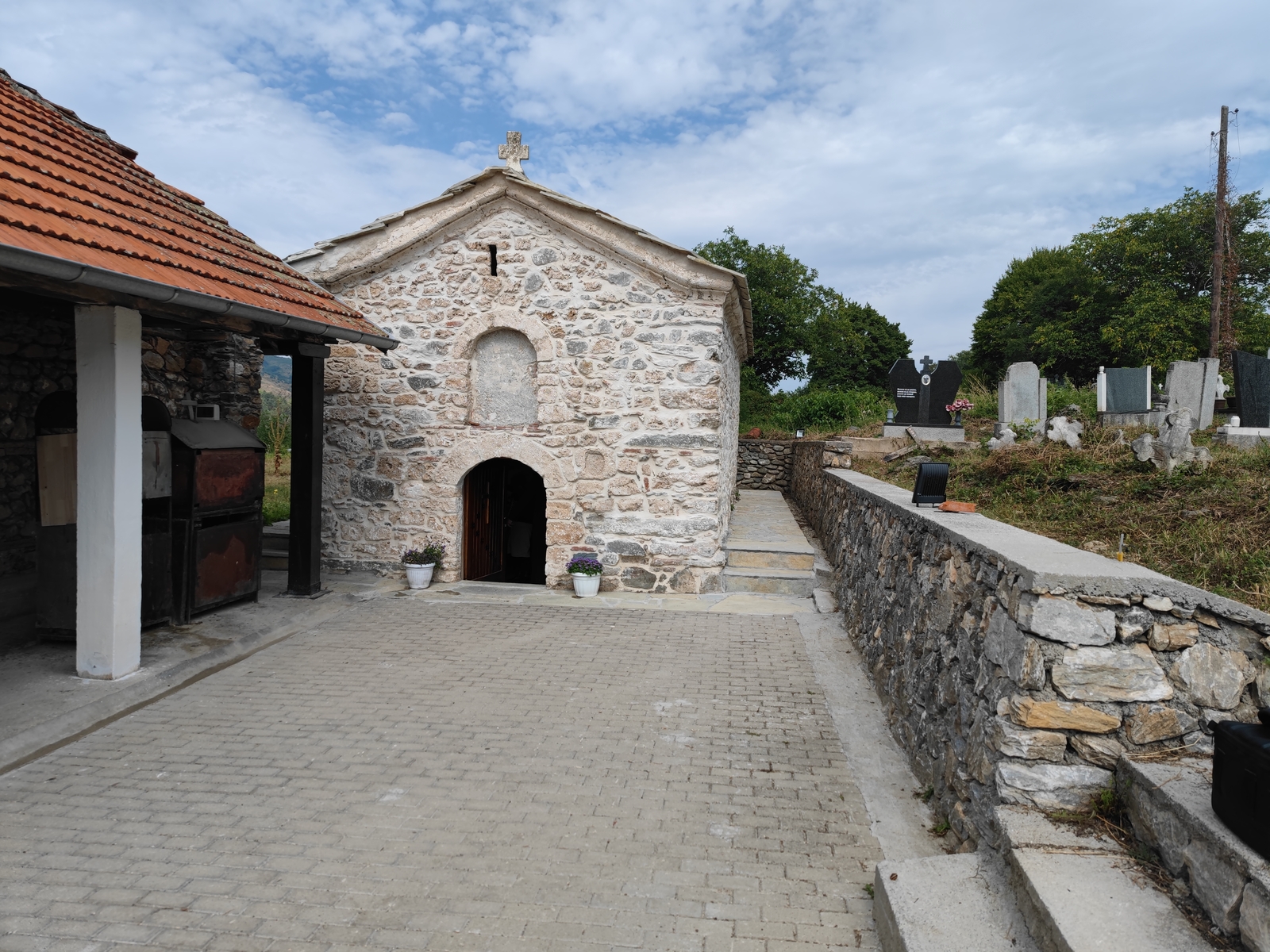
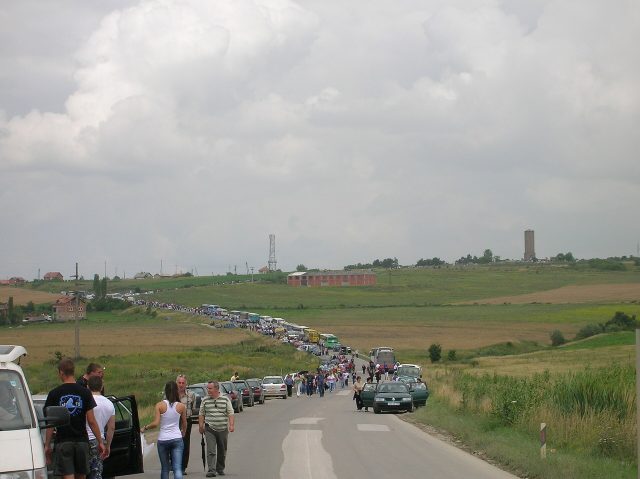
Saint Nicholas Church in Obilić is one of those quiet places that doesn’t demand attention but lingers in the mind long after you’ve left. Tucked away on the edge of a small Serbian town, it stands where life moves at its own unhurried pace, far from the bustle of tourist trails. Obilić itself isn’t a place that draws crowds—there are no grand monuments or famous landmarks here. But that’s precisely what makes it worth slowing down for. This is Serbia as it’s lived by those who call it home, away from the well-trodden paths and the noise of more popular destinations.
The church is dedicated to Saint Nicholas, a figure deeply revered in Orthodox Christianity as the protector of travelers, sailors, and children. In Serbia, where faith and history are woven tightly together, churches like this one often serve as more than just places of worship. They become keepers of memory, small but steadfast reminders of a way of life that has endured through centuries. Though Saint Nicholas Church isn’t ancient, it carries the spirit of a time when religion was inseparable from daily existence, when every village had its own place of prayer, its own rhythm of devotion.
The architecture is unassuming yet harmonious, typical of Serbian Orthodox churches built in the 19th and early 20th centuries. A single bell tower rises above the simple stone facade, its red-tiled roof blending into the landscape like something that has always been there. Inside, there’s no opulence, no gilded extravagance—just a quiet sense of peace. The iconostasis, painted by local craftsmen, reflects the blend of tradition and folk art that defines so many rural churches. The images are straightforward, even humble, but they carry a sincerity that feels more genuine than any grand cathedral’s splendor.
Obilić’s history is inseparable from the church’s own story. The town takes its name from Miloš Obilić, a Serbian national hero whose legend is tied to the Battle of Kosovo in 1389—a defining moment in the country’s past. Though Saint Nicholas Church was built much later, it exists within that same historical and cultural context. In Serbia, churches have often been erected as symbols of continuity, as markers of a past that refuses to fade. This one, though modest, is no exception. It stands as a quiet witness to the cycles of life in a place where history is never far from the surface.
The church remains active, drawing both locals and the occasional visitor who stumbles upon it. Services follow the Orthodox calendar, and on major holidays like Christmas and Easter, the building fills with the scent of incense, the glow of candles, and the murmur of prayers. For those who attend, it’s not just a ritual but a living tradition, passed down through generations. The rhythms of the liturgy, the familiar hymns, the shared moments of reflection—these are the things that bind a community together.
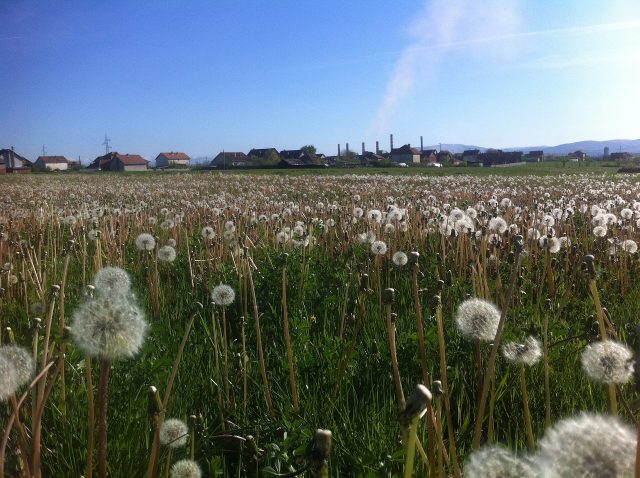
Beyond the church, the surrounding landscape is just as understated. Obilić is set among rolling hills, where vineyards stretch across gentle slopes and small groves dot the countryside. There’s no rush here, no urgency. In summer, the air is thick with the scent of wild herbs and warm earth, and you might see villagers tending to their vines or harvesting grapes in the autumn. Winter brings a different kind of stillness, with the church’s red roof dusted in snow, its silhouette softened by the quiet of the season.
Visiting Saint Nicholas Church isn’t about ticking off a sightseeing box. It’s about stepping into a way of life that feels both timeless and deeply human. There’s no grandeur here, no carefully curated sense of antiquity—just the quiet authenticity of a place that has seen generations come and go. You can light a candle, sit in the hush of the nave, and listen to the distant sound of sheep bleating or the rustle of prayer books being turned. This isn’t a destination for those seeking spectacle, but for those who appreciate the slow, unspoken beauty of a place that simply *is*.
If you find yourself in this part of Serbia, don’t hurry past. Take a moment to wander the surrounding hills, to step inside the church, to breathe in the stillness. It’s in these unassuming corners of the world that travel often reveals its most meaningful surprises. Sometimes, the most memorable discoveries are the ones you never set out to find.