Port Anna is one of those rare places where the sea feels like an old friend rather than just a backdrop. Tucked along Brittany’s southern coast, it’s a quiet harbor where the rhythm of life still follows the tides, and the past lingers in the salt-stained walls of granite houses. There are no crowded promenades here, no souvenir shops hawking trinkets, no crowds jostling for the perfect photo. Instead, Port Anna offers something far more precious: a glimpse of Brittany as it was decades ago, before the tourist maps and guidebooks claimed it.
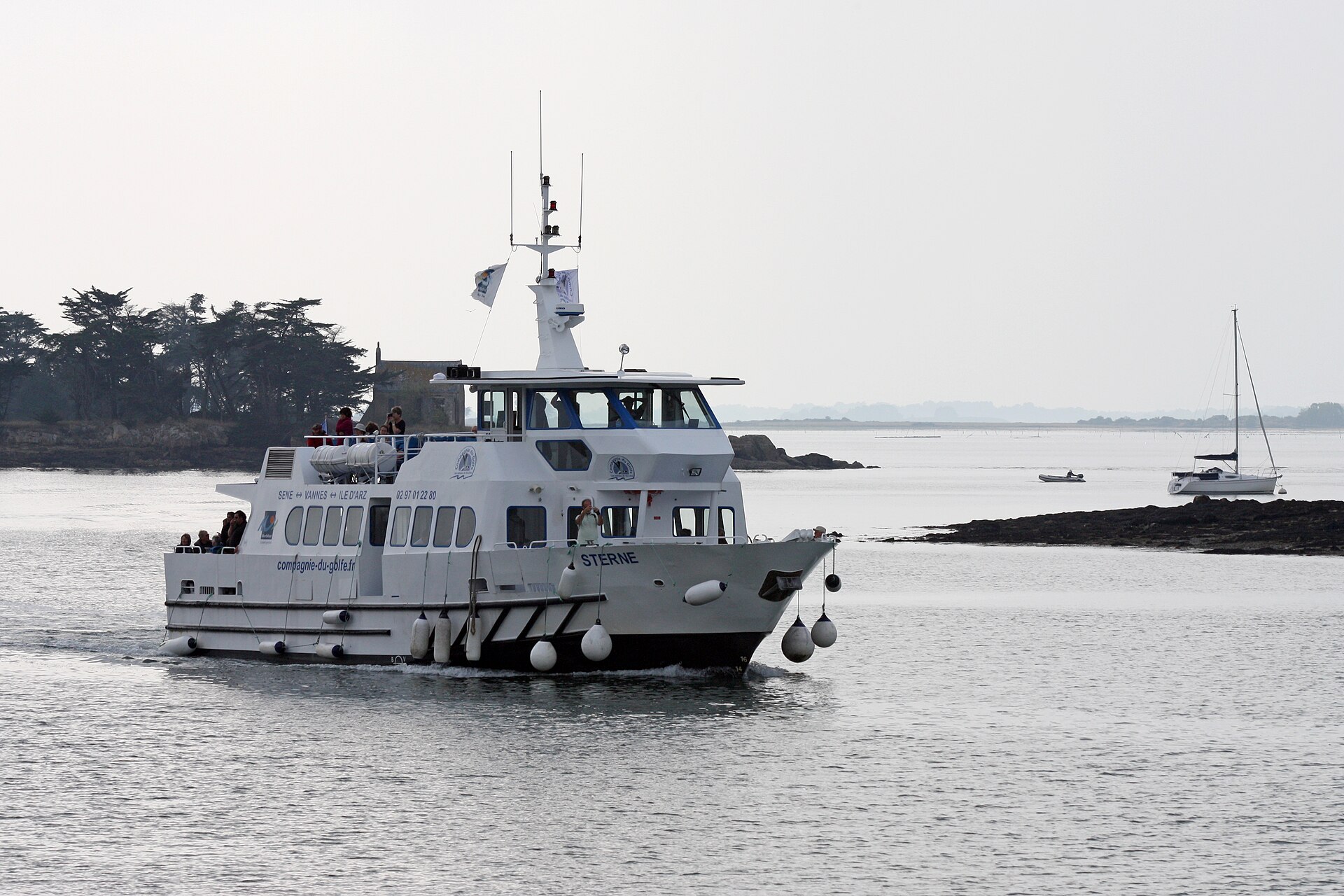
The harbor sits at the mouth of the small Crach River, where it spills into the Quiberon Bay. The water here is never the same color twice—sometimes it’s a dull, leaden gray, heavy with the weight of an overcast sky, and other times it shifts to a startling emerald when the sun breaks through the clouds. The tides dictate everything. At low tide, the sea retreats, exposing mudflats where locals wander with buckets, gathering shellfish. Boats that were afloat just hours before now rest on their sides like beached whales, waiting for the water’s return. Fishermen come back at dawn, their catches spread out on the docks—crabs, shrimp, and the day’s haul of fish—sorted and cleaned before making their way to the morning market.
The history of Port Anna is written in the language of the sea. In the Middle Ages, it was a refuge for small trading vessels carrying salt, wine, and goods between Brittany and the rest of France. By the 19th century, the harbor had become a hub for sardine fishing, an industry that once sustained entire villages along this coast. The trade isn’t what it used to be—fewer boats go out now, and the catches are smaller—but the traditions endure. A handful of families still fish the old way, and if you’re lucky, you might buy a sea bass or a handful of langoustines straight from the boat.
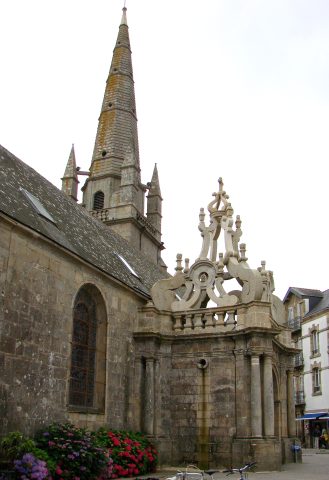
The architecture here is as unpretentious as the life it shelters. The houses are built from local granite, their weathered facades taking on a soft, bluish-gray hue that blends with the misty light. Roofs are slate, sturdy and sloping, and the shutters are often painted in bold colors—deep reds, blues, or greens—to brighten the gloom of rainy days. The streets are narrow, winding between the houses before opening onto small docks where boats bob gently in the water. At the heart of the village stands a small chapel dedicated to Saint Anne, the patron saint of sailors. It’s an unassuming building, easy to overlook, but the locals treat it with quiet reverence. Before the fishing season begins, they gather here for a blessing, a ritual that has been observed for generations.
Life in Port Anna moves at the pace of the tides. Mornings are for work—fishermen mending nets, wives and children helping to sort the catch, the occasional clatter of a bicycle on cobblestones. By midday, the village quiets down. The locals scatter—to the market, to the fields, or out to sea—while the few visitors wander the shoreline or linger over crêpes and cider in one of the tiny cafés. Evenings belong to the sea. As the sun dips below the horizon, the water turns gold, then deepens to indigo, and the air fills with the sound of waves lapping against the docks and the cries of gulls circling overhead.
This isn’t a place for sightseeing in the usual sense. There are no grand cathedrals, no museums, no landmarks to tick off a list. What Port Anna offers instead is something far more elusive: a sense of time slowing down, of life stripped to its essentials. You might spend an afternoon sitting on the dock, watching the tide roll in and out, or walking the mudflats at low tide, when the sea retreats to reveal a hidden world of sandbars and tidal pools. Sometimes, a sailboat will appear on the horizon—a competitor in one of the regattas that pass through Quiberon Bay—but more often than not, the sea is empty, save for the wind stirring up whitecaps on the waves.
If you find yourself here, do as the locals do: stop at the small seafood shack by the water. The menu changes daily, depending on what the fishermen brought in that morning—oysters still glistening with seawater, mussels steamed in white wine, or a simple plate of fried fish with crispy potatoes. The food is unadorned but fresh, the kind that tastes of the sea it came from. A glass of local cider or a crisp white wine from the Loire Valley makes the perfect accompaniment. Afterward, you might wander the narrow streets, peek into a shop selling seashells and handmade nets, or just sit on the shore, listening to the rhythm of the waves.
Port Anna doesn’t demand your attention. It doesn’t dazzle or impress. It simply exists, as it has for centuries, shaped by the sea and the people who depend on it. There’s no need to rush, no agenda to follow. You can watch the tide come in, watch the boats leave and return, watch the light shift across the water like a slow, unfolding story. It’s a place for those who understand that the best moments are often the quietest—the ones that don’t make it into guidebooks but stay with you long after you’ve left.