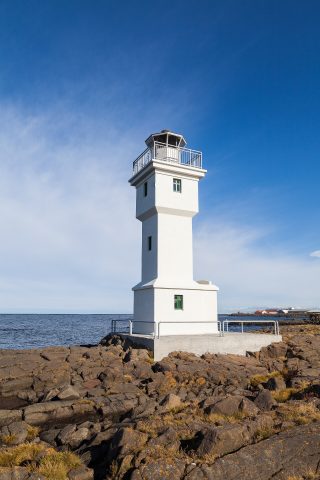
Akranes Harbour is where the sea meets the quiet rhythm of a small Icelandic town. There are no crowds of tourists, no flashy waterfronts, just the steady pulse of life shaped by the ocean. This is a working harbour, not a postcard scene, and that’s what makes it real. In the early morning mist, fishing boats return with their catch, and locals unload crates of cod or halibut with the kind of unhurried efficiency that comes from years of doing the same thing. The air carries the scent of salt, seaweed, and diesel—a mix that tells you everything about what keeps this place alive.
The harbour’s story is inseparable from Akranes itself. The town began in the 19th century as a fishing settlement, and for generations, the sea has been its lifeline. By the early 20th century, the first docks appeared, and by mid-century, the harbour had grown into one of the key ports on Iceland’s west coast. Back then, fishing wasn’t just a job; it was survival. When winter storms lashed the coast, the harbour was the only connection to the outside world. Today, fishing boats still dock here, though now they share the space with small excursion vessels taking visitors out to spot whales or explore nearby islands.
The architecture here is simple and practical, just like the town. Low warehouses made of corrugated metal, painted in bright colours so they’re visible through the fog, line the docks alongside weathered wooden piers, rusted cranes, and piles of nets. It all looks like it hasn’t changed much over the decades. Along the waterfront, small cafés and fish shops serve smoked herring or fresh bread with butter and salted cod. In winter, the harbour feels almost deserted, with only the wind stirring scraps of paper along the docks. Summer brings a few more visitors, but they come for the unfiltered Iceland—not the one in travel brochures, but the one that exists alongside the people who call it home.
This isn’t just a place of work; it’s where different lives intersect. You might see an old fisherman sitting on a bench, watching the waves as he has for decades, or a young couple starting a small business selling local delicacies. Occasionally, foreign ships dock here, bringing sailors from Norway or Greenland, and for a few days, the town hums with new voices and stories. Akranes isn’t used to noise, but these moments make the harbour feel alive in a way that’s hard to find elsewhere.
The harbour’s importance to the town can’t be overstated. It doesn’t just provide jobs; it shapes the way people live, their routines, even their personalities. Icelanders aren’t ones for small talk, and that’s especially true here. Work is done in silence, with focus, without fuss. Walking along the waterfront, you can’t help but think about how fragile and resilient this world is—where people depend on the sea, and the sea, in turn, doesn’t forgive mistakes. Storms here can be brutal, and every local knows stories of those who didn’t return. Yet they keep going out, because what else is there to do?
The atmosphere shifts with the seasons. In summer, when the sun barely sets, the harbour is bright and busy—kids playing on the docks, fishermen mending nets, groups gathering at outdoor café tables. Winter brings long hours of twilight, and the harbour feels quieter, with only the glow of streetlights reflecting on the dark water. But life doesn’t stop. Even in the worst weather, someone will head out to sea, because the fish won’t wait, and people here rely on each other. That connection between land and sea, work and rest, past and present, is what makes Akranes Harbour special.
For visitors who come to Akranes for more than just scenery, the harbour offers a glimpse into everyday Icelandic life. There are no grand museums or historic landmarks here, just the chance to see how people live in one of the most beautiful and unforgiving corners of the world. You can sit on a dock with a cup of coffee, watching fishermen prepare their boats, or stop by a small restaurant serving dishes made from the day’s catch. If you’re lucky, you might witness a boat returning after a long trip—then the docks fill with families and friends, and for a little while, the harbour is full of relief and joy.
This isn’t a place for those seeking excitement or exotic experiences. It’s for those who want to understand the real Iceland—the one that exists beyond guidebooks, in the slow, hard, and beautiful rhythm of daily life. There’s nothing unnecessary here, and that’s the point. The sea, the wind, the people, and their stories are what make this place matter. If you ever find yourself in Akranes, don’t rush away. Sit by the water, listen to the waves, and think about how many lives have been shaped by this small stretch of land at the edge of the world.