Akranes is a quiet fishing town on Iceland’s western coast. The rhythm of life here still moves to the tide and the seasons. It’s not on most tourist itineraries, and that’s part of its charm. The streets are lined with modest houses, the harbor filled with working boats, and the air carries the salt of the North Atlantic. The past isn’t distant—it’s woven into daily life, where many still make their living from the sea. The Akranes Museum Centre captures this thread, showing the lives that shaped the town through small, stubborn details.
The museum is in a former fish-processing plant, a building that once hummed with activity. The docks outside were crowded with boats unloading their catch, while inside, workers—mostly women—cleaned, salted, and packed fish for export. The building has been repurposed but hasn’t lost its character. The wooden floors creak, the high ceilings echo, and the large windows frame the same ocean that has sustained the town for generations. The first exhibits focus on the fishing industry. Old boats, patched nets, and rusted tools show a way of life that was grueling and essential. One corner recreates a fisherman’s home from the mid-20th century, with simple furniture, a cast-iron stove, and the faint smell of salt and wool.
The museum dedicates space to the women of Akranes. Their roles were as vital as those of the men who sailed. While fishermen were away for weeks, women managed households, raised children, and worked in the processing plants. The exhibits show the harshness of their lives—long hours in cold, damp conditions, the physical toll of gutting fish by hand—but also their resilience. Displays include waterproof suits they sewed for their husbands, recipes for preserving fish, and hand-knit sweaters, each pattern unique to a family.
The museum traces Akranes’ history from a 19th-century fishing settlement to a mid-1900s town. Photographs and artifacts document the arrival of schools, hospitals, and roads. Personal items, like a carpenter’s tools or a schoolteacher’s 1930s diary, add a human dimension. One exhibit shows how the harbor expanded over the decades, turning Akranes into a key player in Iceland’s fishing industry. Images of workers building docks, children playing in the streets, and families at festivals create a portrait of a community in the making.
The museum also looks at how Akranes is adapting today. Automation has reduced manual labor in fishing, and global competition has forced local businesses to innovate. Yet the town retains its identity by embracing a different economy. It’s now a destination for travelers seeking something beyond Reykjavík—whale watching, black-sand beaches, or fresh seafood in a harborfront café. The museum presents these changes without romanticizing them, showing both challenges and opportunities.
The museum hosts temporary exhibitions on Icelandic life, like natural landscapes, folklore, or traditional crafts. Local artists and storytellers often feature. Sometimes, residents share their own experiences—stories of life at sea, growing up in Akranes, or watching the town evolve. These events make the museum a place where history is discussed, not just observed.
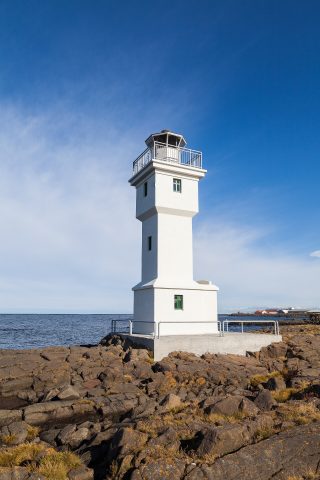
After visiting, walk along the harbor. Fishing boats bob in the water, and the scent of the sea is strongest there. The town’s lighthouse offers a sweeping view of the coastline. Local cafés serve simple meals—fish stew, rye bread, or rhubarb cake from nearby gardens. Akranes doesn’t have Iceland’s dramatic landscapes, but that’s what makes it special. No crowds, no souvenir shops, just the quiet persistence of a place that has always looked to the sea.
The museum doesn’t oversimplify. It doesn’t present Akranes as a relic or a quaint village frozen in time. It shows a community that has adapted, where old and new coexist. The exhibits are modest, the stories unvarnished. For anyone curious about the Iceland beyond postcard images—the Iceland of working harbors, families who have fished the same waters for generations, a landscape that shapes lives—this is where you’ll find it.