Fort Saint Elmo stands at the tip of the Sciberras Peninsula, where the waters of the Grand Harbour and Marsamxett Harbour meet. Its position was never accidental—this was the first line of defense for Malta’s capital, Valletta, and the last stronghold before the open sea. The fort’s origins trace back to 1552, when the Order of Saint John, then rulers of the island, recognized the need for a coastal bastion to deter Ottoman advances. The Knights had barely settled in Malta when they began reinforcing its vulnerable points, and Saint Elmo, with its commanding view of the approaches to the harbors, became a priority.
The fort’s early years were marked by urgency. Built in just six months, its initial structure was modest—a star-shaped bastion with thick walls and a dry moat, designed to withstand cannon fire. The Knights knew time was against them, and they were right. In 1565, during the Great Siege of Malta, Saint Elmo became the stage for one of the most brutal battles in the island’s history. The Ottomans, determined to break Maltese resistance, focused their assault on the fort, bombarding it relentlessly for over a month. The defenders, outnumbered and low on supplies, held out far longer than expected, buying precious time for reinforcements to arrive. When the fort finally fell, the Ottomans had lost thousands of men, and their morale was shattered. The siege ended in victory for the Knights, but Saint Elmo bore the scars of war—its walls reduced to rubble, its garrison decimated.
After the siege, the fort was rebuilt with greater ambition. The Knights, now more confident in their hold on Malta, expanded Saint Elmo into a formidable complex. The star-shaped design was retained, but the walls were thickened, the bastions enlarged, and the interior reorganized to accommodate more troops and artillery. The fort’s role evolved from a temporary stronghold to a permanent military installation, complete with barracks, powder magazines, and a chapel. Over the centuries, it adapted to changing warfare—earthworks were added in the 17th century to counter more powerful cannons, and later, British colonial forces modified it to suit their needs, including the installation of coastal guns during World War II.
Walking through Fort Saint Elmo today, the layers of history are tangible. The oldest sections, near the tip of the peninsula, still bear the marks of the 1565 siege—pockmarked walls and uneven stonework that hint at the violence they once endured. The later additions, like the British-era gun emplacements, stand in stark contrast, their concrete and steel a reminder of more modern conflicts. The fort’s interior is a maze of narrow passages, steep staircases, and open courtyards, where the Mediterranean sun casts long shadows over the worn flagstones. From the highest points, the view is breathtaking—the Grand Harbour to the south, with its fortified cities and bobbing boats, and Marsamxett to the north, where the water shimmers under the Maltese sky.
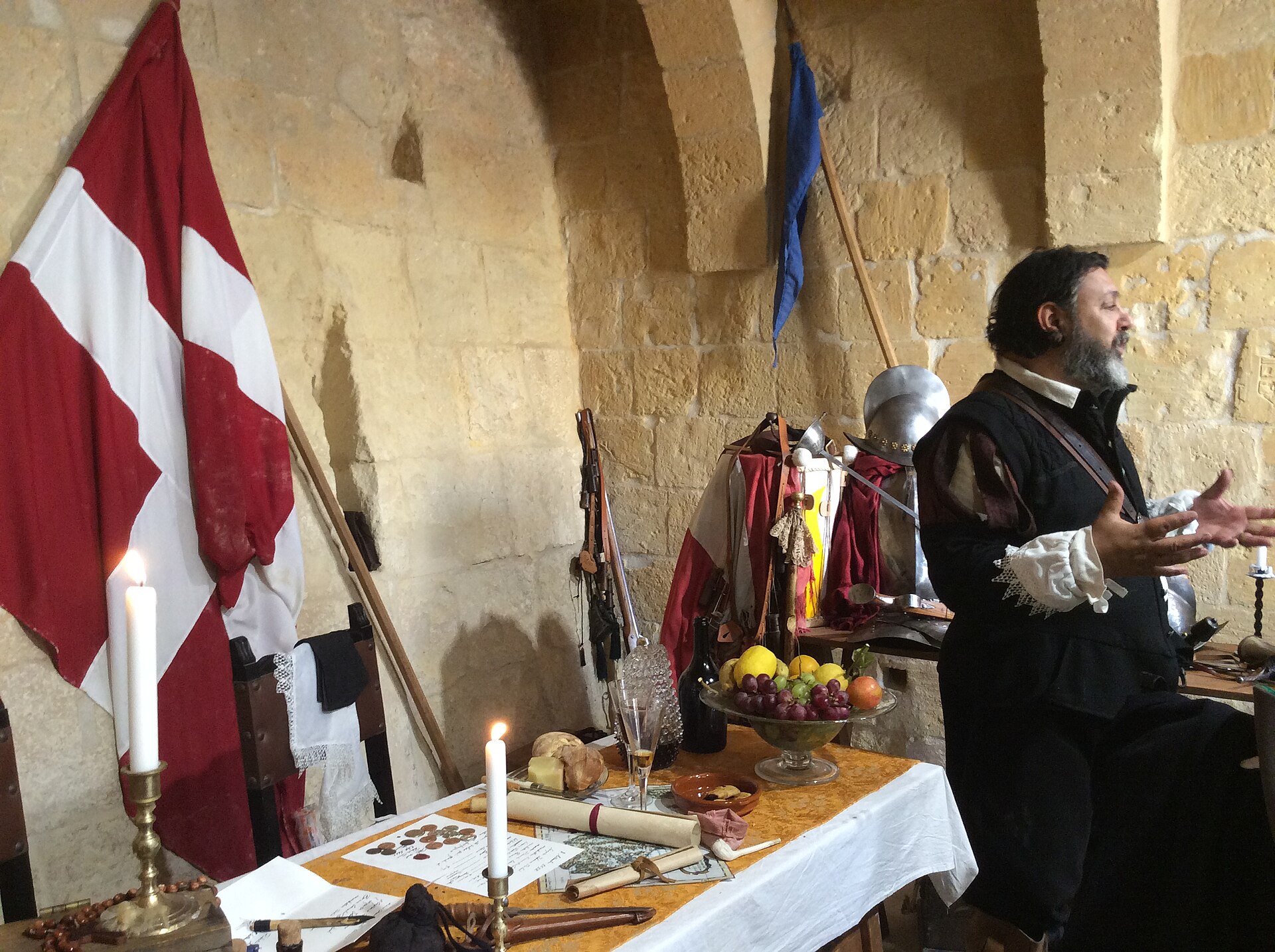
One of the fort’s most striking features is the Chapel of Saint Anne, tucked away in a quiet corner of the complex. Built in the 18th century, it’s a small but elegant space, with a simple altar and walls lined with plaques commemorating fallen soldiers. The chapel’s presence is a quiet counterpoint to the fort’s martial purpose, a place where men who lived under the constant threat of war could find a moment of peace. Nearby, the National War Museum occupies part of the fort, its exhibits tracing Malta’s military history from the Bronze Age to the present. The museum doesn’t shy away from the darker chapters—photographs of bombed-out streets from World War II, personal letters from soldiers, and artifacts from the Great Siege all tell a story of resilience.
The fort’s significance extends beyond its military past. For centuries, it was a symbol of Malta’s strategic importance in the Mediterranean. The Knights of Saint John used it as a base to project power across the region, while later rulers, from the French to the British, saw it as a key to controlling the island. Even today, its silhouette is one of the first things visitors notice when approaching Valletta by sea, a reminder that this small island has long been a crossroads of empires. The fort’s location also makes it a natural gathering place—locals and tourists alike come here to watch the sunset, when the stone walls glow golden and the sea turns a deep, shimmering blue.
Despite its age, Fort Saint Elmo has never been abandoned. It has served as a military base, a prison, a museum, and even a film set—its dramatic architecture has appeared in movies and television shows, from historical epics to modern thrillers. The fort’s ability to adapt is part of its enduring appeal. It’s not a relic frozen in time, but a living space that has absorbed the changes of each era. The British left their mark with the addition of searchlight emplacements, while the Maltese government has carefully restored sections to preserve its heritage. Even the graffiti carved into the walls by soldiers over the centuries has become part of its story, a silent testament to the many lives that have passed through its gates.
Visiting Fort Saint Elmo is more than just a history lesson. It’s a chance to step into the layers of time that have shaped Malta. The air here is thick with the scent of salt and old stone, and the sound of waves crashing against the rocks below is a constant reminder of the fort’s original purpose. On quiet days, when the crowds thin out, it’s easy to imagine the clatter of hooves in the courtyard, the distant boom of cannons, or the whispered prayers in the chapel. The fort doesn’t just tell stories—it lets you feel them. Whether you’re drawn by its military history, its architecture, or simply the view, Saint Elmo offers a glimpse into the soul of an island that has seen empires rise and fall, yet remains unshaken.