Perched on the edge of Pico Island, where the land drops sharply into the Atlantic, Santa Catarina Fort feels like a place where time has quietly settled into the cracks of its weathered walls. Built in the 17th century, it was never the grandest of Portugal’s coastal defenses, nor did it see the dramatic battles that some of its counterparts endured. Instead, it served a quieter purpose—standing guard over the island’s shores, a silent deterrent to pirates and privateers who prowled these waters during the age of sail. Today, its crumbling basalt walls and empty gun emplacements tell a story not of glory, but of endurance, of a structure that has outlasted the threats it was meant to repel.
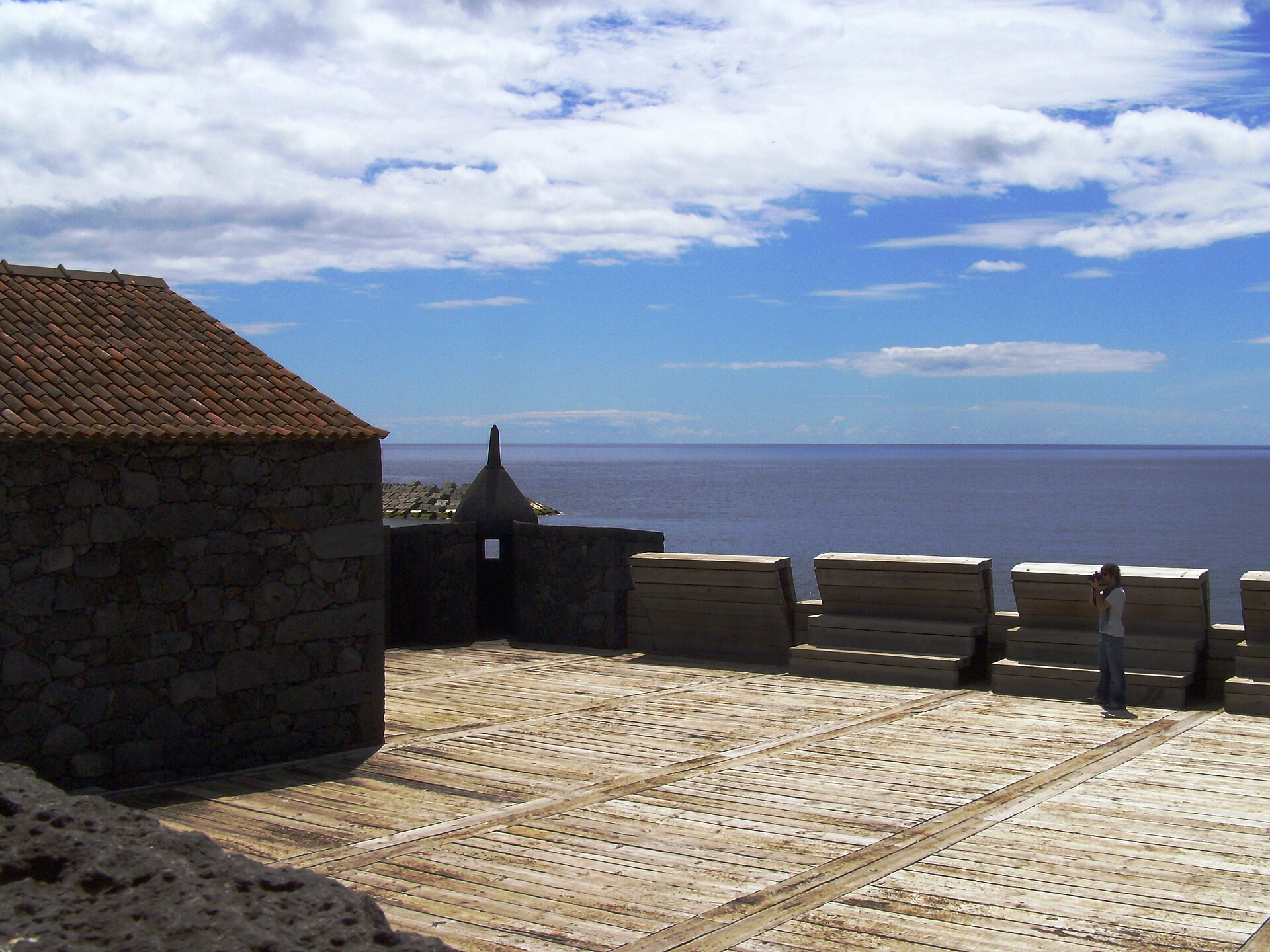
The fort’s design is unadorned, almost austere, reflecting its practical origins. Thick walls of dark volcanic stone rise from the rocky coastline, their rough surfaces softened only by time and the salt-laden winds that sweep in from the ocean. Inside, the remains of barracks, powder magazines, and lookout platforms hint at the daily lives of the soldiers who once manned this outpost. The central tower, though diminished by centuries of erosion, still commands a sweeping view of the sea and the neighboring islands, a reminder of how vital this vantage point once was. There are no ornate carvings or elaborate details here—just the stark, functional beauty of a fortress built to last.
For the people of Madalena, the fort is less a relic of the past than a familiar presence in their landscape. Locals come here not as tourists, but as part of their routine—some to walk their dogs along the shore, others to sit on the low walls with a coffee in hand, watching the waves roll in. The vineyards that stretch down to the water’s edge seem to grow right up to the fort’s foundations, their gnarled vines a testament to the island’s long tradition of winemaking. There’s a sense of continuity here, as if the fort has simply become another layer in the island’s story, no more or less remarkable than the lava fields or the fishing boats that dot the harbor.
Pico’s history is inseparable from the sea, and Santa Catarina Fort played its part in that narrative. In the 17th and 18th centuries, the Azores were a crucial stopover for ships crossing the Atlantic, and Pico’s natural harbors made it a target for raiders. The fort was one of several built to protect the island’s settlements and the merchant vessels that sought refuge in its bays. It never saw the kind of pitched battles that defined other Portuguese strongholds, but its mere existence may have been enough to keep would-be attackers at bay. By the time the threat of piracy faded, the fort had already begun its slow transformation from a military post to a quiet landmark, its purpose shifting with the tides of history.
Visiting the fort today is a low-key affair. There are no admission fees, no guided tours, and no museum displays—just the open gates and the invitation to explore at your own pace. The interior is a maze of uneven stones and half-collapsed walls, where the wind carries the scent of salt and wild herbs. Climbing the worn steps to the ramparts, you can imagine the soldiers who once scanned the horizon for sails, their vigilance as much a part of the island’s rhythm as the changing seasons. The lack of crowds makes it easy to linger, to sit on a sun-warmed stone and listen to the waves crashing against the rocks below. It’s worth noting, though, that the fort’s condition means some areas can be slippery, especially after rain, so caution is advisable.
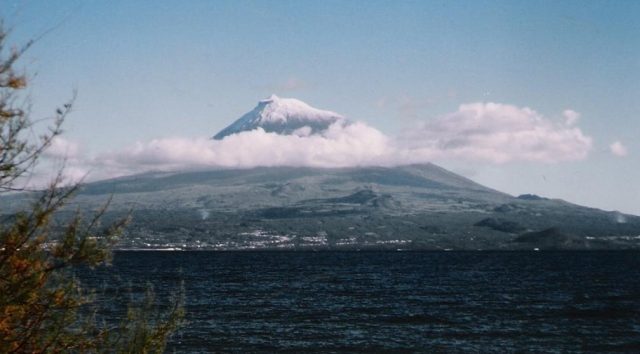
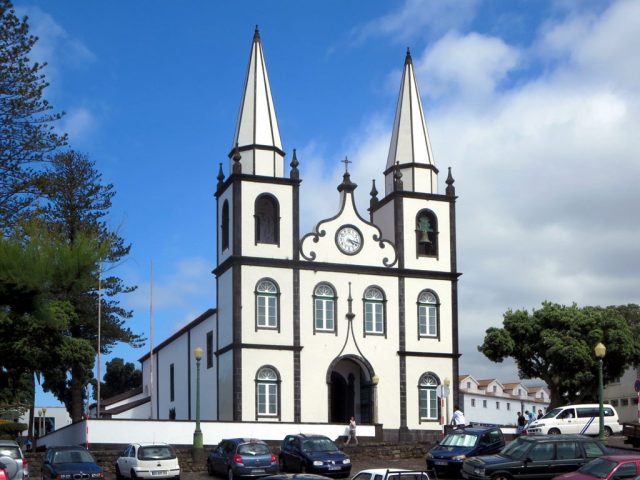
From the fort, it’s a short walk back to Madalena, the island’s main town, where the past and present coexist in the narrow streets and whitewashed houses. The town serves as a gateway to Pico’s other attractions—the whale museums, the lava caves, the vineyards where wine is still made in the traditional way—but many visitors find themselves drawn back to Santa Catarina. There’s something about the way the fort frames the view of the ocean and the towering silhouette of Mount Pico that makes it hard to leave. The mountain, often shrouded in mist, looms over the island like a silent guardian, its presence as much a part of the landscape as the fort itself.
In recent years, the fort has become a favorite subject for photographers, particularly those drawn to the contrast between its somber stone and the vibrant blues of the sea. The way the light plays across the walls at different times of day—soft and golden in the morning, stark and dramatic in the afternoon—makes it a compelling subject. But even without a camera, the views from here are unforgettable. The best moments often come at sunset, when the sky turns shades of orange and purple, and the fort’s shadows stretch long across the rocks, as if reaching back into the past.
Santa Catarina Fort doesn’t announce itself with fanfare. There are no grand facades or meticulously restored interiors, just the quiet dignity of a place that has weathered centuries of wind and rain. Its charm lies in its authenticity, in the way it refuses to be anything other than what it is—a fragment of history still rooted in the land. For those willing to slow down and look beyond the obvious, the fort offers something rare: a connection to the past that feels immediate, almost tangible. It’s a reminder that some places don’t need to be preserved under glass to retain their power; they endure simply by being part of the world around them.