San Lorenzo Fort stands where the Chagres River meets the Caribbean Sea, a place chosen for its strategic importance. In the late 16th century, Spanish colonists built this fortress to guard the riches flowing from the Americas to Europe—gold and silver transported along routes that converged here. The location was no accident; it was the gateway between the Atlantic and the Pacific, a narrow strip of land that connected two worlds. The fort became one of the most critical defenses in the region, a bulwark against pirates and privateers who preyed on Spanish galleons.
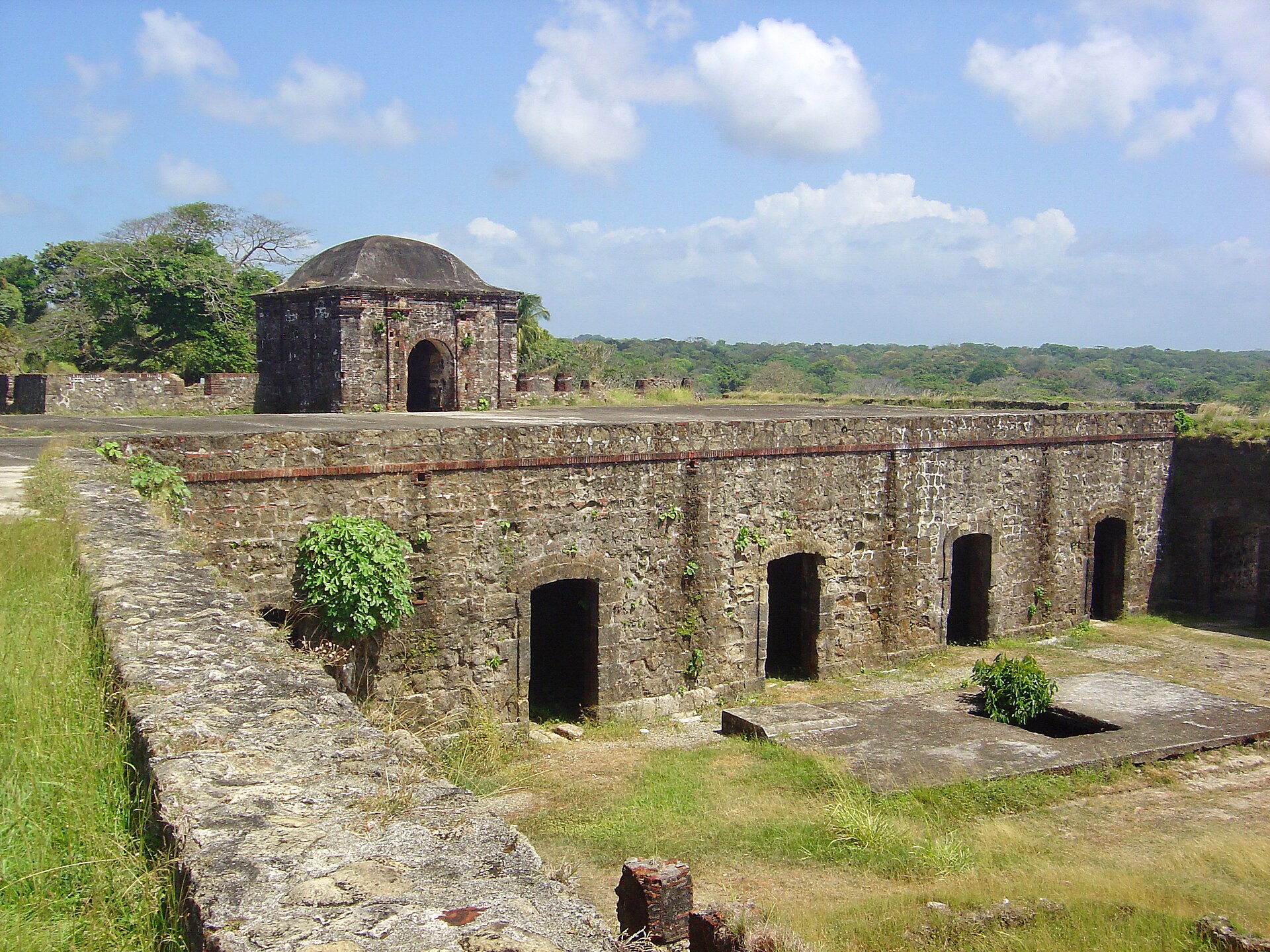
The architecture of San Lorenzo reflects the military engineering of its time. Thick stone walls, low vaulted chambers, and narrow gunports were designed to withstand sieges and cannon fire. The fort was built to endure prolonged attacks, with storerooms for supplies, water cisterns, and barracks for soldiers. Today, the ruins offer a glimpse into its original layout, though much has been lost to time and repeated destruction. What remains are the skeletal outlines of a once-formidable stronghold, its stones worn by centuries of wind and rain.
The fort’s history is marked by violence and resilience. The first assault came in 1596, when Francis Drake attempted to seize it. His forces landed but were repelled, and Drake himself died of fever soon after. The name stuck, though, and the fort became synonymous with the dangers of the Caribbean. In the 17th century, it faced repeated attacks, most notably from Henry Morgan. In 1671, Morgan captured San Lorenzo, using it as a staging point for his infamous raid on Panama City. After sacking the city, he left the fort in ruins, though it was later rebuilt to protect the entrance to what would become the Panama Canal.
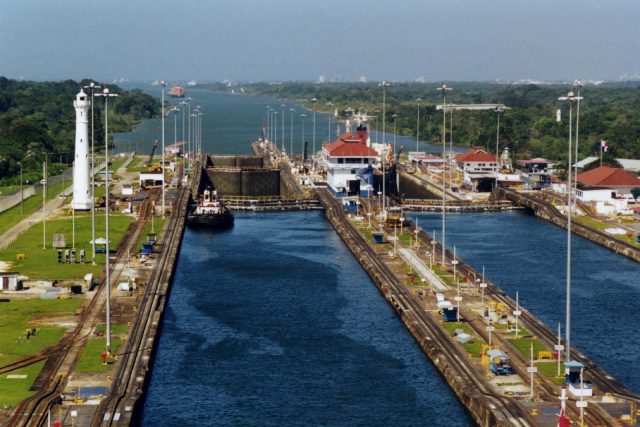
Walking through the ruins today, it’s easy to imagine the fort as it once was. The walls, now draped in vines and moss, rise above the ocean, while the surrounding jungle hums with the calls of monkeys and birds. Inside, the paths follow the same routes soldiers once patrolled, and from the lookout points, you can see the river and sea just as they did—watching for approaching ships. On clear days, the view stretches to the horizon, where modern vessels glide through the canal, a reminder of how this place has always been a crossroads.
San Lorenzo is more than a historical site; it’s a fragment of a larger story. It speaks of an era when Panama was the heart of global trade, when empires clashed, and when pirates and merchants vied for control of its shores. The fort witnessed it all—the rise and fall of fleets, the ambitions of conquerors, the desperation of those who sought to plunder its riches. Now, it stands quietly, its stones holding the echoes of those turbulent times.
Visiting the fort is best combined with a trip to Colón or the nearby beaches. The road winds through dense jungle, where toucans dart between trees and butterflies flit across the path. The fort itself is part of a national park, offering hours of exploration along trails that weave through the ruins and into the surrounding wilderness. There’s a small fee to enter, but the experience is worth it—history and nature intertwined in a way that feels untouched by time.
Nature is slowly reclaiming San Lorenzo. Roots crack through the stone, and vines creep over the walls, softening the edges of the ruins. During the rainy season, the jungle bursts into life, the air thick with the scent of damp earth and saltwater. Even if history isn’t your main interest, the setting alone makes the trip worthwhile. The fort feels alive in a way that museums rarely do, its past and present blending seamlessly.
Tourists have begun to discover San Lorenzo in recent years, but it’s still possible to find moments of solitude. Early mornings and late afternoons are the quietest, when the light is soft and the ocean breeze carries the sound of waves breaking against the shore. It’s then that the fort feels most alive—the ghosts of soldiers, the creak of ships, the distant shouts of pirates. San Lorenzo doesn’t just preserve history; it invites you to step into it, if only for a little while.