Fin Garden in Kashan is one of those places where time seems to move differently. Built during the Safavid era in the 16th century, it was designed not just as a retreat for royalty but as a living embodiment of Persian garden principles—harmony between nature, water, and architecture. The garden’s layout follows the classic *chahar bagh* (four gardens) pattern, a concept that dates back to ancient Persia, where water channels divide the space into symmetrical quadrants. These channels, fed by an underground aqueduct, create a sense of coolness even in the heat of central Iran, where summers can be relentless. The sound of flowing water, the scent of roses and fruit trees, and the shade of towering cypresses make it easy to understand why this place was once a favorite of kings and poets alike.
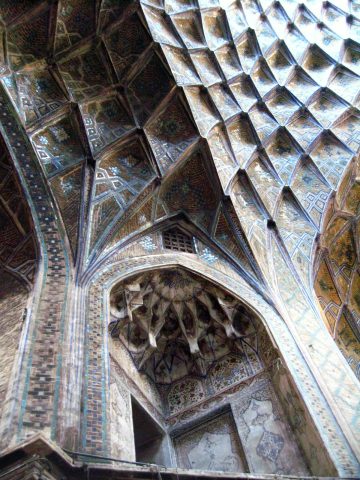
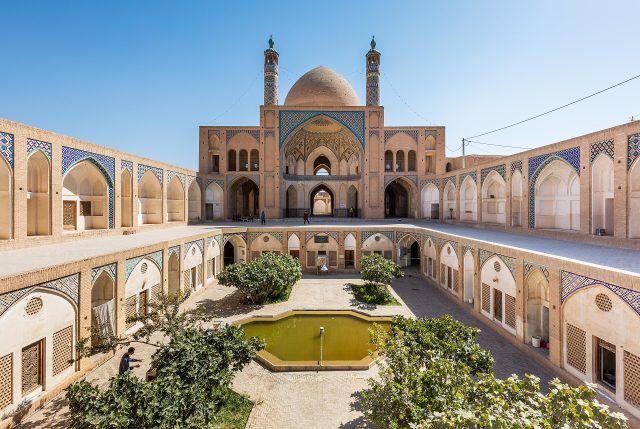
The architecture of Fin Garden is as deliberate as its landscaping. The pavilions and buildings within the garden are modest in scale but rich in detail, with intricate tilework and carved wooden ceilings that reflect the aesthetic of the Safavid period. The central pavilion, known as the *Kushk of Shah Abbas*, was where the ruler would relax, surrounded by the garden’s beauty. Later additions, like the Qajar-era bathhouse, tell another layer of the garden’s history—one of political intrigue. It was here, in 1852, that the prime minister Amir Kabir was assassinated on the orders of Naser al-Din Shah, an event that still lingers in the garden’s quiet corners like a whispered secret.
What makes Fin Garden more than just a historical site is how it feels alive. Unlike some preserved gardens that feel frozen in time, this one is still used by locals and visitors who come to escape the dust and noise of Kashan. Families spread out picnics under the trees, children chase each other along the water channels, and elderly men sit on the benches, sipping tea as they watch the world go by. The garden’s design encourages this kind of everyday use—its wide pathways, shaded alcoves, and open lawns make it feel welcoming rather than imposing. Even the way the water moves, spilling from one pool into another, gives the place a sense of constant, gentle motion.
The garden’s relationship with Kashan itself is worth noting. Kashan is often overshadowed by nearby Isfahan, but it has its own quiet charm, and Fin Garden is a big part of that. The city has long been a center of craftsmanship, known for its textiles, ceramics, and rosewater production, and the garden reflects that same attention to beauty and detail. The roses here, in particular, are famous—Kashan’s rosewater is still made from the petals of flowers grown in the region, and in spring, the garden is thick with their scent. It’s a reminder that this place isn’t just about the past; it’s still very much a part of the present.
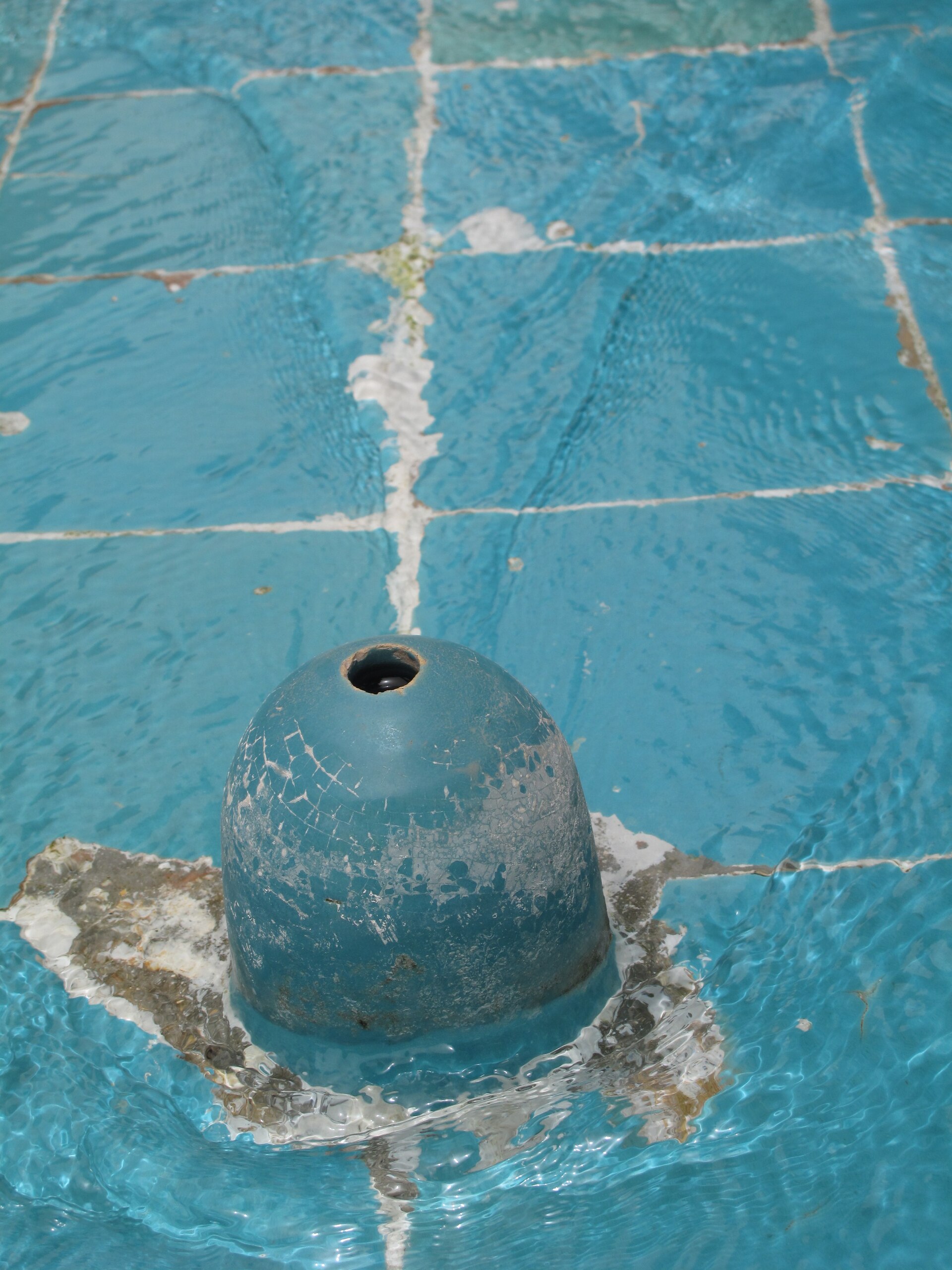
Visiting Fin Garden isn’t like stepping into a museum. There’s no grand narrative being forced on you, no guided tour required to appreciate it. Instead, it’s a place where you can wander at your own pace, letting the details reveal themselves slowly. The way the light filters through the trees in the late afternoon, the way the water reflects the blue of the tiles, the way the wind carries the sound of birds and distant conversation—it all adds up to something that feels both timeless and immediate. You don’t need to know the history to feel the peace of the place, though knowing it does add another layer to the experience.
That said, the garden’s history isn’t just about beauty and tranquility. It’s also a place where power was exercised, where decisions were made that shaped the course of a nation. The assassination of Amir Kabir, one of Iran’s most progressive prime ministers, is a dark chapter in its story, and it’s hard not to think about it when you stand in the bathhouse where it happened. The contrast between the garden’s serene atmosphere and the violence that once took place here is striking, a reminder that even the most peaceful places can hold complicated histories.
Fin Garden has survived centuries of change—wars, political upheavals, and the slow march of time—yet it remains remarkably intact. Part of that is due to its careful restoration, but part of it is simply because the design is so enduring. Persian gardens were never meant to be static; they were meant to evolve, to be lived in and enjoyed. That’s why, even today, the garden doesn’t feel like a relic. It feels like a place that’s still breathing, still growing, still offering a moment of respite to anyone who walks through its gates.
If you visit Kashan, Fin Garden is one of those places that stays with you. Not because it’s grand or overwhelming, but because it’s quietly perfect. It doesn’t demand your attention; it earns it. Whether you come for the history, the architecture, or just the chance to sit under a tree and do nothing for a while, the garden has a way of making you feel like you’ve stepped into a different rhythm—one that’s slower, softer, and more in tune with the world around you. And in a place like Iran, where the past and present are so deeply intertwined, that’s a rare and precious thing.