Kashan’s bazaar is one of those places where time seems to move at its own pace, untouched by the rush of modern life. Stretching through the heart of the city, it has been a center of trade and social life for centuries, a living testament to the rhythms of Persian commerce and culture. Unlike the grand, tourist-heavy bazaars of larger Iranian cities, Kashan’s feels more intimate, a place where locals still come to buy their daily goods, haggle over prices, and catch up on neighborhood news. The air is thick with the scent of spices, dried herbs, and freshly baked bread, while the sound of merchants calling out their wares blends with the murmur of shoppers and the occasional clatter of copperware being hammered into shape.
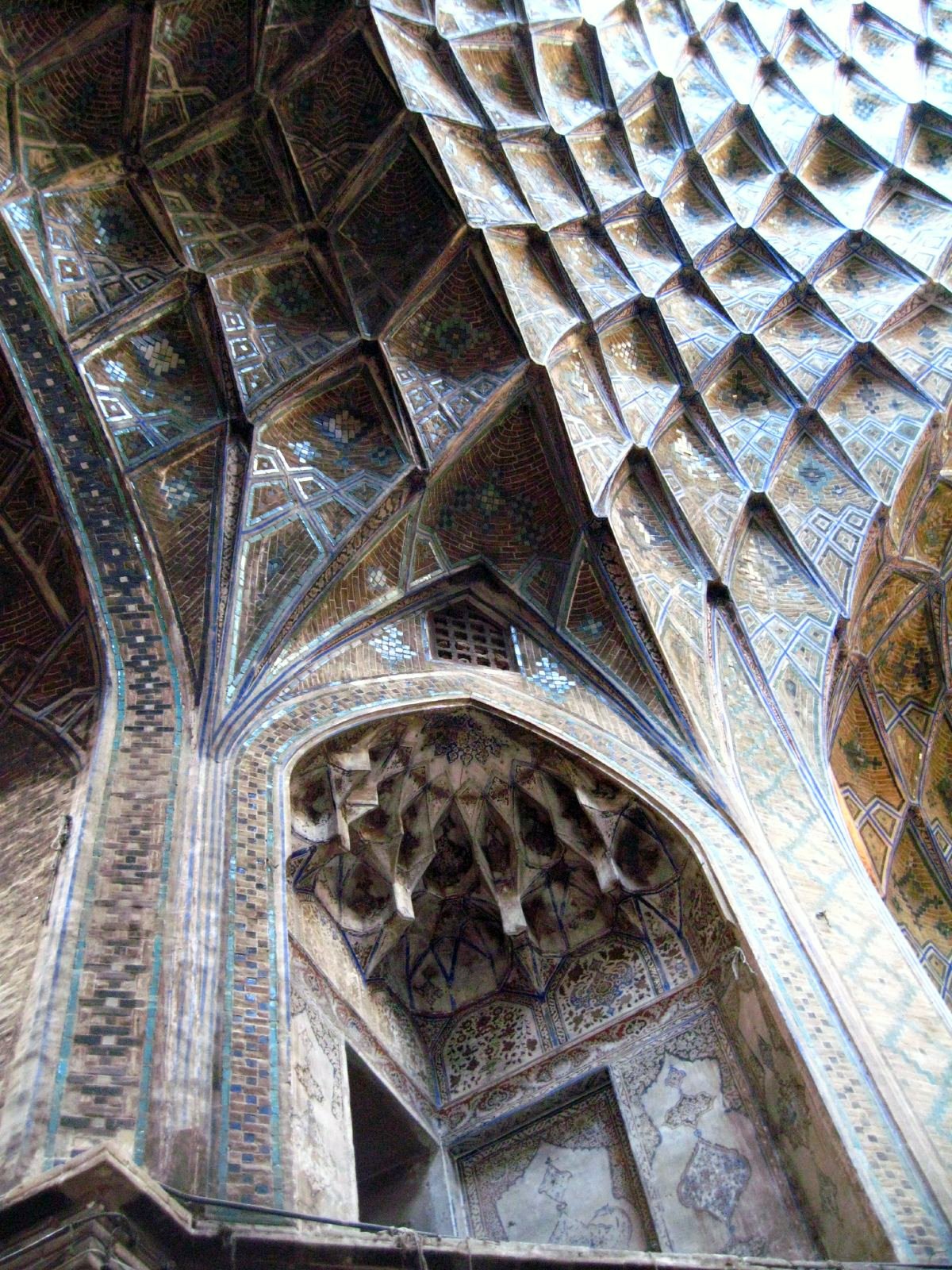
The bazaar’s origins trace back to the Seljuk era, though much of what stands today was rebuilt or expanded during the Safavid period, when Kashan flourished as a key stop on the trade routes between Persia and the East. The architecture reflects this layered history, with vaulted ceilings, arched doorways, and intricate brickwork that has weathered centuries of use. Some sections are narrow and dimly lit, the stone floors worn smooth by generations of footsteps, while others open into wider courtyards where sunlight filters through lattice windows, casting geometric patterns on the walls. The most striking feature is the *timcheh*, a series of domed caravanserais that once provided shelter for traveling merchants and their goods. These spaces, now home to shops selling everything from textiles to antiques, still retain an air of quiet grandeur.
Walking through the bazaar, it’s easy to imagine the bustle of the past—camel caravans unloading silks from China, spices from India, and precious metals from the mines of Yazd. Kashan was famous for its textiles, particularly its delicate *termeh* fabrics, and the bazaar was where weavers, dyers, and embroiderers would bring their finest work. Today, you can still find shops selling handwoven rugs, copper pots, and intricately painted ceramics, though the craftsmanship is now as much about tradition as it is about commerce. The coppersmiths, in particular, are worth watching; their workshops are often open to the street, where they shape and engrave metal with tools that haven’t changed in hundreds of years.
Beyond its role as a marketplace, the bazaar has always been a social hub. Before the days of cafes and public squares, it was where people gathered to exchange news, debate politics, and celebrate festivals. The *tekyehs*—small, domed structures used for religious gatherings—are scattered throughout the bazaar, their walls adorned with tiles depicting scenes from Persian mythology. During Muharram, the bazaar becomes a stage for processions and mourning rituals, with men carrying banners and chanting as they move through the covered alleys. Even on ordinary days, the rhythm of life here is communal; shopkeepers share tea with regular customers, children dart between stalls, and the occasional stray cat naps in a sunlit corner.
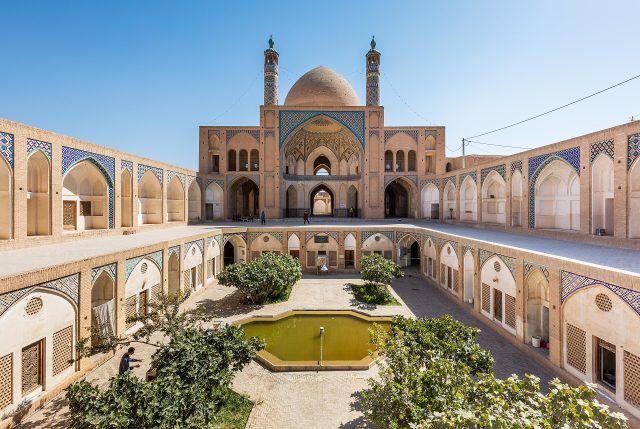
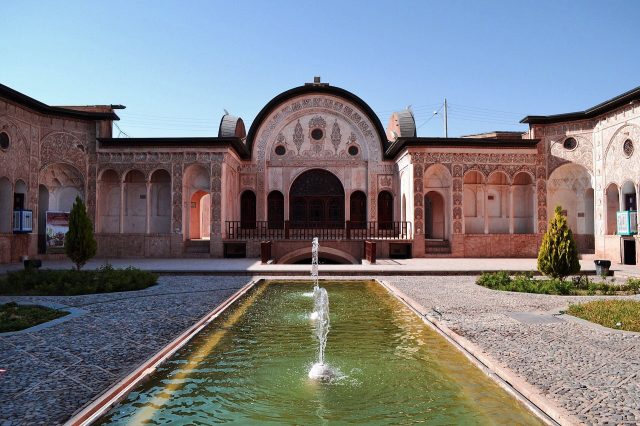
One of the most fascinating aspects of Kashan’s bazaar is how it has adapted without losing its essence. While some sections have been modernized—fluorescent lights now hang alongside traditional lanterns, and a few shops cater to tourists with packaged souvenirs—much of it remains unchanged. The old bathhouses, or *hammams*, have been restored and repurposed, some now serving as cultural centers or small museums. The *Aqa Bozorg Mosque*, with its towering windcatchers and tranquil courtyard, stands at the edge of the bazaar, offering a quiet respite from the market’s hustle. Nearby, the *Ameri House*, a restored 19th-century merchant’s home, provides a glimpse into the opulent lifestyle of Kashan’s elite, with its mirrored halls and lush gardens.
What makes the bazaar special is not just its history, but the way it still functions as a living part of the city. It’s not a museum piece or a sanitized tourist attraction; it’s a place where people work, shop, and linger. In the early morning, the bazaar wakes slowly, with shopkeepers sweeping the stone floors and arranging their goods before the first customers arrive. By midday, it’s alive with activity, the narrow alleys filled with the hum of conversation and the occasional burst of laughter. In the late afternoon, as the light softens, the pace slows again, and the bazaar takes on a more relaxed atmosphere, with men gathering in small groups to smoke hookah and discuss the day’s events.
For visitors, the bazaar offers more than just shopping—it’s a chance to step into the daily life of Kashan. There’s no need to rush; the best way to experience it is to wander without a plan, letting the sights, sounds, and smells guide you. Stop for a glass of *doogh*, a refreshing yogurt drink, at one of the small stalls, or try a piece of *gaz*, the local nougat made with pistachios and rosewater. If you’re lucky, a shopkeeper might invite you in for tea, offering a glimpse into the hospitality that has defined Persian culture for centuries. The bazaar doesn’t reveal its secrets all at once; it unfolds slowly, rewarding those who take the time to look beyond the surface.
In a country where ancient traditions and modern life often coexist uneasily, Kashan’s bazaar feels like a bridge between the two. It’s a place where the past isn’t just preserved—it’s still in use, still relevant. The merchants who have inherited their shops from their fathers and grandfathers know the value of what they’ve been given, even as they adapt to the changing world around them. For anyone willing to slow down and pay attention, the bazaar offers a rare kind of authenticity, a reminder that some places are more than just destinations—they’re living histories, waiting to be explored.