The Abbasian House in Kashan isn’t just an old building—it’s a doorway into the lives of people who shaped Iran centuries ago. Built in the late 1700s, when Kashan thrived as a hub of trade and culture along the Silk Road, this house was more than a home. It was a statement. The Abbasian family, prominent merchants and patrons of the arts, poured their wealth, taste, and vision into every corner, creating a space that balanced beauty, comfort, and practicality in a way that still feels alive today.
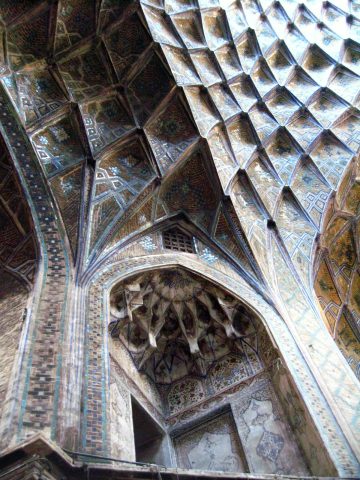
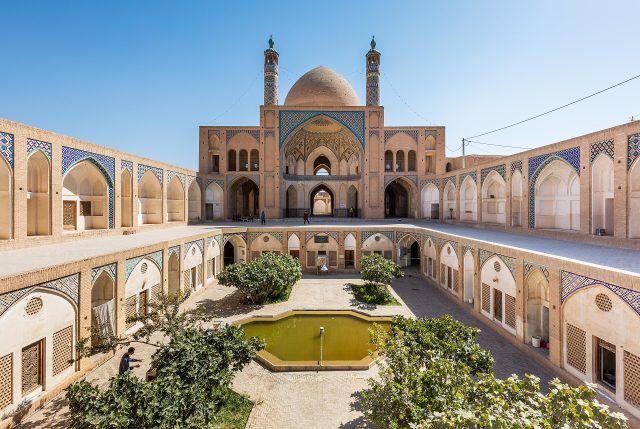
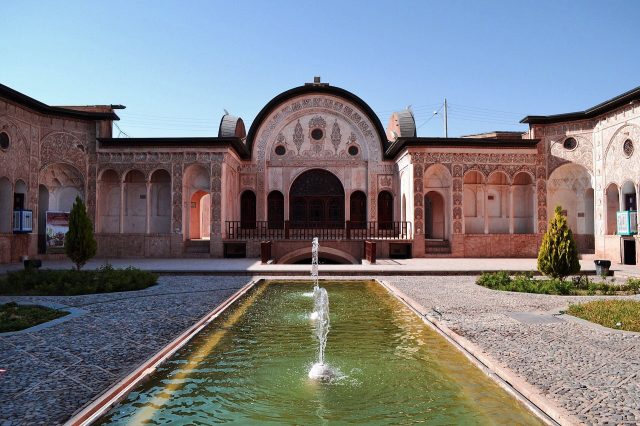
What strikes you first is how thoughtfully the house was designed. The high ceilings, airy halls, and intricate stucco work on the walls and ceilings aren’t just decorative—they’re functional. The architects of the time understood the desert climate, crafting a home that stayed cool in the scorching summers. The central courtyards, a hallmark of Persian architecture, play with light and shadow, while water features and greenery create a microclimate that softens the heat. These courtyards weren’t just for show; they were the heart of the home, where families gathered, and the rhythms of daily life unfolded.
Inside, the Abbasian House is a masterclass in Persian decorative arts. The walls are adorned with delicate plaster carvings, the ceilings painted with vibrant floral and geometric patterns, and the floors laid with colorful stone mosaics. The most fascinating spaces are the *shabestans*—underground summer rooms that remain cool even in the peak of heat. These chambers are a testament to the skill of artisans, with their finely carved woodwork and intricate paintings that have survived the centuries. Every detail, from the lattice windows to the mirrored niches, tells a story of craftsmanship and cultural pride.
The house also offers a glimpse into the social customs of the time. Like many traditional Persian homes, it was divided into public and private spaces. The grand reception halls, where guests were entertained, are lavishly decorated, while the living quarters are more intimate, designed for comfort rather than display. The *andaruni*, or women’s quarters, was a secluded world of its own, hidden from outsiders. Walking through these spaces, you can almost hear the echoes of conversations, the rustle of silk garments, and the quiet hum of domestic life.
Today, the Abbasian House is open to visitors, and stepping inside feels like stepping back in time. There’s no rush here, no crowds jostling for the best photo. Instead, you can wander through the rooms at your own pace, tracing the patterns on the walls or sitting in a courtyard, listening to the faint sound of water trickling in the fountain. The house has a way of slowing you down, making the outside world feel distant. It’s easy to imagine the Abbasian family moving through these spaces, hosting merchants from distant lands, or simply enjoying the cool of the evening in the *shabestan*.
Kashan is famous for its historic houses, but the Abbasian House stands out. Unlike some monuments that feel frozen in time, this one retains a sense of warmth and lived-in history. There are no intrusive signs or barriers—just the quiet dignity of a home that has witnessed generations. The absence of tourist crowds only adds to the experience, allowing you to connect with the past in a way that feels personal.
The house isn’t just a relic; it’s a living part of Kashan’s identity. The city, often called the jewel of central Iran, takes pride in preserving its heritage, and places like the Abbasian House help bridge the gap between past and present. For locals, it’s a reminder of the city’s golden age. For visitors, it’s a rare chance to see how art, architecture, and daily life once intertwined in this part of the world.
Visiting the Abbasian House is more than a tour—it’s an immersion in a world where every detail mattered. Here, beauty and function coexist seamlessly, from the way light filters through the stained-glass windows to the way the courtyards channel the breeze. The house has weathered time, but its elegance remains untouched. It’s a place that makes you pause and appreciate the enduring power of human creativity.