The 16th-century farm at Château de Chenonceau is a quiet corner where time seems to slow down. Unlike the grand halls and manicured gardens that make this part of the Loire Valley famous, the farm offers something far more understated. There are no gilded ceilings, marble staircases, or portraits of noble ancestors here—just the quiet presence of history, etched into every stone, beam, and weathered wooden door. It feels less like a museum exhibit and more like a living page from the past, where the rhythms of daily life from centuries ago still linger in the air.
Built during the Renaissance, the farm was more than just a functional space for the château—it was the heart of its economy. In those days, estates like Chenonceau weren’t just aristocratic retreats; they were self-sustaining worlds where nearly everything was produced on-site. Vegetables were grown in the fields, livestock grazed in the pastures, and poultry clucked in the yards. The barns stored grain and wine, while the surplus was traded with neighboring estates. Unlike the formal chambers of the château, where every detail was dictated by etiquette and opulence, the farm valued practicality above all. The buildings were constructed from local stone and timber, with thick walls and sturdy roofs designed to withstand the elements.
The architecture of the farm is simple but carries its own quiet charm. Low vaulted ceilings, heavy oak beams, and narrow barred windows create an atmosphere of warmth and security. The main building, once home to the farmworkers, retains its original layout. Inside, you can still see the large communal kitchen with its massive hearth, where meals were prepared for everyone. Nearby are the smaller rooms where families lived, their lives centered around the daily labor of tending the land and animals. The stables, cowsheds, and storage barns are arranged logically around a central courtyard, a design that kept the noise and bustle of the outside world at bay.
One of the most striking features of the farm is its well. More than just a source of water, it was a lifeline for the entire estate. The well at Chenonceau is deep, lined with stone, and equipped with a heavy wheel for drawing up buckets. On hot summer days, its cool, clear water was invaluable—not just for drinking, but for sustaining the people and animals who depended on it. Workers would often gather here to rest, exchanging news or simply enjoying the shade of an old tree. Standing by the well today, it’s easy to imagine the sounds that once filled this space: the creak of the wheel, the murmur of voices, the lowing of cattle.
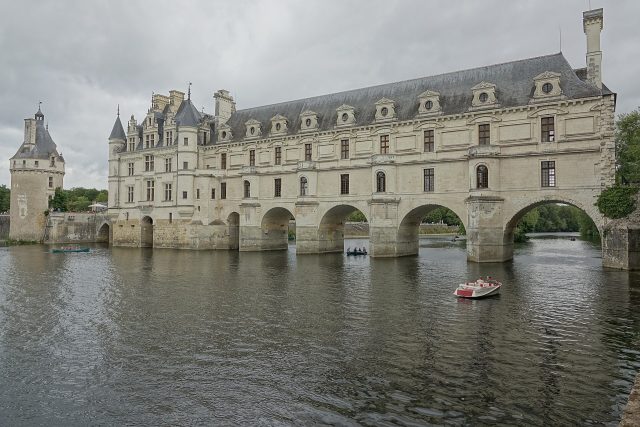
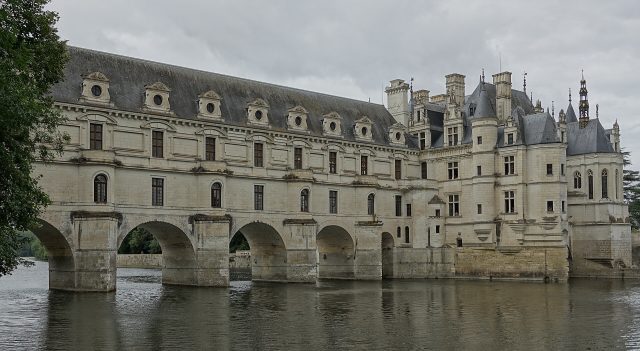
The farm’s history is closely tied to that of the château itself, and the women who shaped its destiny. In the 16th century, Chenonceau was owned first by Diane de Poitiers, the influential mistress of King Henry II, and later by his widow, Catherine de’ Medici. Both women were not only powerful figures at court but also skilled managers of their estates. They introduced new agricultural methods, expanded crops, and improved livestock breeds. Under their guidance, the farm became a model of efficiency, blending tradition with innovation. Some of the crops grown here—like artichokes and melons—were considered exotic at the time and later became staples across France.
Today, the farm remains open to visitors, but it hasn’t been turned into a tourist spectacle. There are no flashy signs, souvenir shops, or interactive displays—just the quiet hum of nature. You can wander freely through the grounds, peering into open barn doors or resting on an old wooden bench. In some of the rooms, everyday objects from the past remain: clay pots, wooden spoons, and rusted farming tools. They aren’t displayed behind glass but left as if the workers had just stepped away for a moment. This gives the place a sense of continuity, as though life here has only paused, not ended.
For those who prefer to experience history beyond the pages of a book, the farm at Chenonceau is a rare find. It offers a glimpse into the lives of the people whose names were never recorded in chronicles but whose labor made the grandeur of the Renaissance possible. Behind the splendor of the château were the farmers, herders, and laborers who tilled the soil, tended the animals, and kept the hearths burning. Their lives were demanding, but not without small joys—a fresh loaf of bread, warm milk, the camaraderie of neighbors. Walking through the farm today, you can almost feel a connection to them, realizing that their hopes and struggles weren’t so different from our own.
Chenonceau is often called the "ladies’ château," its story shaped by the remarkable women who lived there. But the farm tells a different side of that story—one where the real protagonists were the people who worked behind the scenes. There’s no pomp here, just authenticity. No luxury, just a simplicity that feels more precious than gold. The 16th-century farm isn’t just a historical site; it’s a place where the past comes alive, making history feel more tangible and real. And as you leave, it’s hard not to wonder how many other corners of the world hold similar stories, waiting to be discovered.