Elista’s City Park of Culture and Rest is one of those rare urban spaces where the pulse of the city softens into something quieter, where nature and history coexist without pretense. Nestled in the heart of Kalmykia’s capital, it serves as more than just a green refuge amid concrete and asphalt—it’s a living reflection of a culture shaped by the vastness of the steppe, where the land isn’t just scenery but a way of understanding the world. The park took shape in the mid-20th century, when Elista was evolving from a modest settlement into the administrative center of the republic. In those years of rapid urbanization, green spaces were seen as essential, not just for aesthetics but as a counterbalance to the harshness of industrial growth, offering residents a place to breathe, to pause, to simply be.
Over the decades, the park has grown and adapted alongside the city, yet it retains a sense of continuity. Some of the oldest trees—tall elms, poplars, and maples—were planted in the Soviet era, when new parks were symbols of progress and civic care. Their branches provide shade in the scorching summer heat, while in winter, their bare silhouettes trace intricate patterns against the pale Kalmyk sky. Recent renovations have introduced modern touches: manicured lawns, vibrant flowerbeds, playgrounds, and sports areas. But the essence of the park remains unchanged—it’s still a place where people come not just for entertainment, but for quiet moments, for family time, or for the simple pleasure of being outdoors.
The park’s architecture is understated yet distinctive. The entrance is marked by an arched gateway adorned with traditional Kalmyk motifs, a subtle nod to the nomadic heritage of the people. The intricate metalwork echoes patterns found in folk jewelry, clothing, and even Buddhist temple decorations. Deeper inside the park, a small pavilion designed to resemble a steppe yurt often hosts craft exhibitions, concerts, and workshops. Nearby, a modest fountain draws visitors—children splashing in its shallow basin, adults lingering on the benches around it. Here, water isn’t just decorative; it’s a reminder of life’s fragility in a region where every spring and well once held immense value.
A particularly meaningful spot within the park is the memorial to Kalmyk soldiers who perished in World War II. More than just a monument, it’s a solemn complex where granite slabs inscribed with the names of the fallen stand beside an eternal flame. Sculptures depict warriors in traditional attire, their postures both dignified and sorrowful. Every year on May 9th, veterans, families of the fallen, and ordinary citizens gather here to honor their memory. For many Kalmyks, this memorial is more than a historical tribute—it’s a reminder of the cost of peace and the importance of preserving the past.
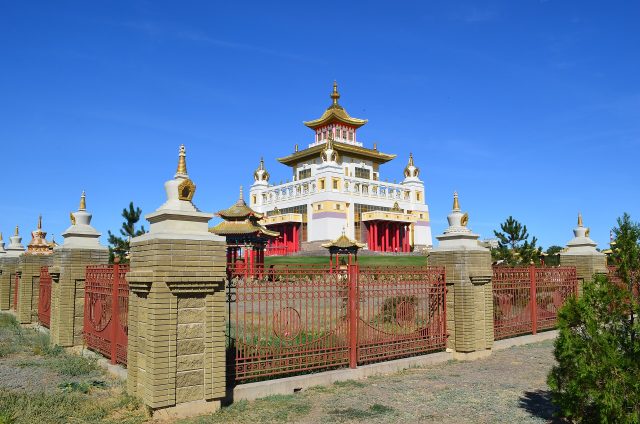
The park also offers a glimpse into the Buddhist traditions that have shaped Kalmyk spirituality for centuries. Near the central alley stands a small stupa, a sacred structure symbolizing harmony and enlightenment. Though modest in size, it’s meticulously crafted, with a white dome, gilded spire, and prayer wheels flanking its sides. The stupa has become a quiet place of reflection for both pilgrims and casual visitors. Locals often walk around it clockwise—a ritual believed to bring good fortune and cleanse the spirit. On any given day, you might see monks in saffron robes or elderly residents pausing to murmur a prayer, their movements unhurried, their presence a testament to enduring faith.
Summer transforms the park into a vibrant hub of activity. Festivals, fairs, and open-air concerts fill the air with music and laughter. The most anticipated events are the national celebrations, like Tsagan Sar, the Kalmyk New Year. During these festivities, the park comes alive with the deep tones of throat singing, the aroma of traditional dishes, and the sight of brightly embroidered costumes. Folk ensembles perform on makeshift stages, while on the grassy fields, wrestlers and horse riders compete in age-old sports. Even those unfamiliar with Kalmyk culture can’t help but be swept up in the joyous atmosphere, where every smile and every shared meal feels like a celebration of life itself.
Winter casts the park in a different kind of magic. Snow blankets the trees, turning them into delicate sculptures, while the paths become perfect for leisurely strolls. Children build snowmen and sled down gentle slopes, and impromptu hockey games break out on the small ice rink. During the New Year holidays, the park’s central fir tree is adorned with lights, becoming a beacon for those seeking a touch of holiday cheer. Even in the coldest months, the park remains a gathering place, offering warmth and comfort in a season that can otherwise feel long and isolating.
Yet the park’s true value lies not in its attractions but in its role in the daily lives of Elista’s residents. For some, it’s a place for morning jogs; for others, a quiet corner to escape the midday bustle. It’s where first dates happen, where birthdays are celebrated, where families take photos against the changing seasons. The park isn’t a museum—it’s a living, breathing part of the city, evolving yet constant, a space where the past and present coexist without fanfare.
Elista’s City Park of Culture and Rest is more than just a green space; it’s a bridge between eras, a reminder that even in a world that moves too fast, there are places where time slows down. It doesn’t boast grand fountains or exotic flora, but it offers something rarer: a sense of belonging, a connection to history, and the simple, unspoken warmth of a place that feels like home. That’s why it’s cherished by locals and visitors alike—a quiet corner of the city where life, in all its ordinary and extraordinary moments, unfolds naturally.