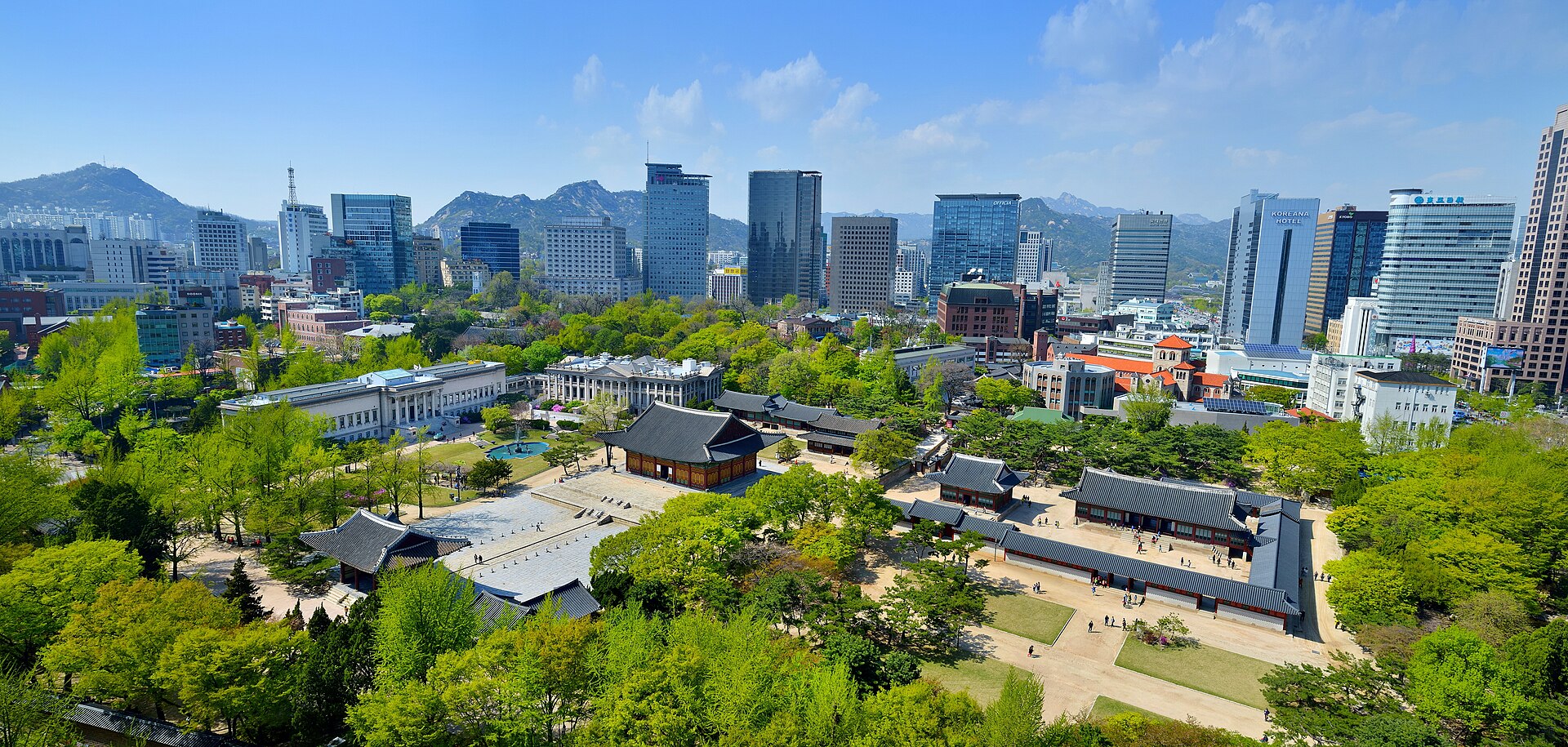
Deoksugung Palace is one of those rare places in Seoul where the past doesn’t just feel preserved—it feels present. Unlike the sprawling royal complexes that dominate the city’s historical landscape, Deoksugung is intimate, almost quiet, as if the centuries have settled here like dust on an old book. It sits in the heart of modern Seoul, surrounded by glass skyscrapers and the hum of city life, yet stepping through its gates feels like crossing into another era. There are no crowds here, no rushed footsteps or camera flashes. Instead, there’s space to breathe, to wander, and to imagine what it might have been like when kings and courtiers walked these same paths.
The palace began its life in the late 14th century as a retreat for the royal family of the Joseon Dynasty, a place where rulers could escape the rigid formalities of court life. Back then, it lay beyond the city walls, a private sanctuary for those who needed respite from the weight of governance. Its role shifted in the 16th century when King Seonjong made it his temporary residence after the main palace, Gyeongbokgung, was destroyed during the Japanese invasions. Over time, Deoksugung was expanded and rebuilt, but its purpose remained the same: a place of reflection, away from the public eye. Even today, that sense of seclusion lingers, as if the palace still guards its secrets.
The architecture here is a study in balance—elegant yet restrained, grand but never ostentatious. The main gate, Daehanmun, stands as a sturdy guardian, its wooden beams and tiled roof adorned with the subtle patterns that define traditional Korean design. Beyond it, the courtyard unfolds, leading to the palace’s most important structure, Junghwajeon Hall. This was where official audiences were held, where diplomats and ministers gathered to discuss matters of state. The hall’s interior is simpler than those in other palaces, its wooden floors and painted screens speaking more of function than of spectacle. That simplicity is part of its charm; it feels lived-in, as if the echoes of past conversations still hang in the air.
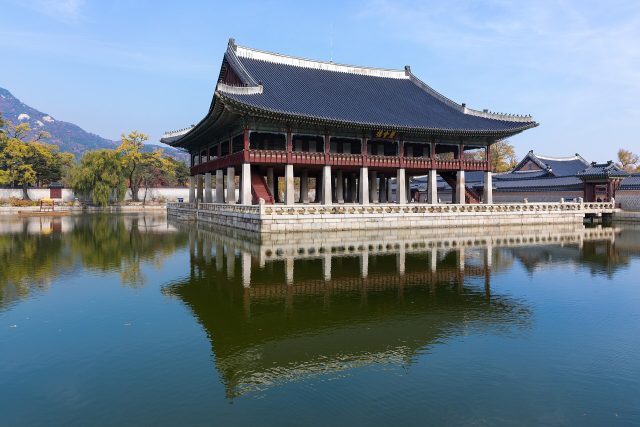
The palace gardens are where Deoksugung truly comes alive. Considered among the most beautiful in Korea, they change with the seasons like a living painting. Ancient pine trees stand sentinel over winding paths, their branches framing views of ponds where golden carp glide beneath the surface. Stone bridges arch over narrow streams, and pavilions offer shaded spots to sit and watch the light play on the water. In spring, cherry blossoms and azaleas burst into color; in autumn, the maples turn fiery red; and in winter, the snow softens the edges of the landscape, turning the palace into a scene from an old scroll. It’s a place where time seems to slow, where the only sounds are the rustle of leaves and the occasional call of a bird.
Deoksugung is often overlooked in favor of Seoul’s more famous palaces, and perhaps that’s part of its appeal. It was never the primary residence of kings, nor the stage for grand historical dramas. Instead, it served as a backdrop for quieter moments—private conversations, solitary walks, the kind of history that unfolds in the margins. That understated role gives it a different kind of authenticity. There’s no need for pomp here; the buildings, the gardens, even the worn stones underfoot tell their own stories without embellishment. Visitors can wander the grounds without feeling like they’re in a museum, free to explore at their own pace, to linger in the shadows of the pavilions or to sit by the water and watch the world go by.
The palace isn’t just a relic of the past; it’s a place where history is still being made. Traditional ceremonies, like the changing of the guard, bring the Joseon era to life with the beat of drums, the flash of colorful uniforms, and the precise movements of the guards. These performances aren’t just for tourists—they’re a way of keeping the past alive, of reminding visitors that the palace was once a living, breathing part of the city. For those who want to dig deeper, guided tours offer insights into the daily lives of the royal family, the symbolism behind the architecture, and the rituals that once governed life within these walls.
Deoksugung has witnessed some of Korea’s most pivotal moments. In the early 20th century, during the Japanese occupation, it became a venue for colonial events, a bitter irony given its origins as a symbol of Korean sovereignty. Yet it was also here, in 1919, that the Korean Declaration of Independence was signed, a defiant act that would shape the nation’s future. Today, plaques and exhibits scattered throughout the palace grounds commemorate these events, offering a reminder of how history is never just about the past—it’s about the stories we choose to remember and the lessons we carry forward.
Visiting Deoksugung is less about ticking off a tourist attraction and more about stepping into a different rhythm. There’s no rush here, no need to follow a set path. You can spend hours tracing the intricate carvings on the wooden beams, studying the old maps and photographs that line the halls, or simply sitting by the pond, listening to the water and the wind. The palace doesn’t demand attention; it invites contemplation. It’s a place where the modern city feels distant, where the weight of centuries is palpable but not oppressive. In a city that moves at breakneck speed, Deoksugung offers a rare chance to pause, to look around, and to remember that some things—like the quiet beauty of a garden or the solidity of an old stone wall—are worth preserving.