The Tabatabaei House in Kashan is one of those rare places where time seems to pause, not because it’s frozen in the past, but because it carries the quiet dignity of a life well-lived. Built in the mid-19th century for a wealthy merchant family, the house is a masterclass in traditional Persian residential architecture, where every detail serves both beauty and purpose. The Tabatabaei were not just any family—they were part of Kashan’s elite, a city long known for its silk trade, ceramics, and the refined tastes of its inhabitants. Their home was designed to reflect that status, but also to offer respite from the harsh desert climate just beyond its walls.
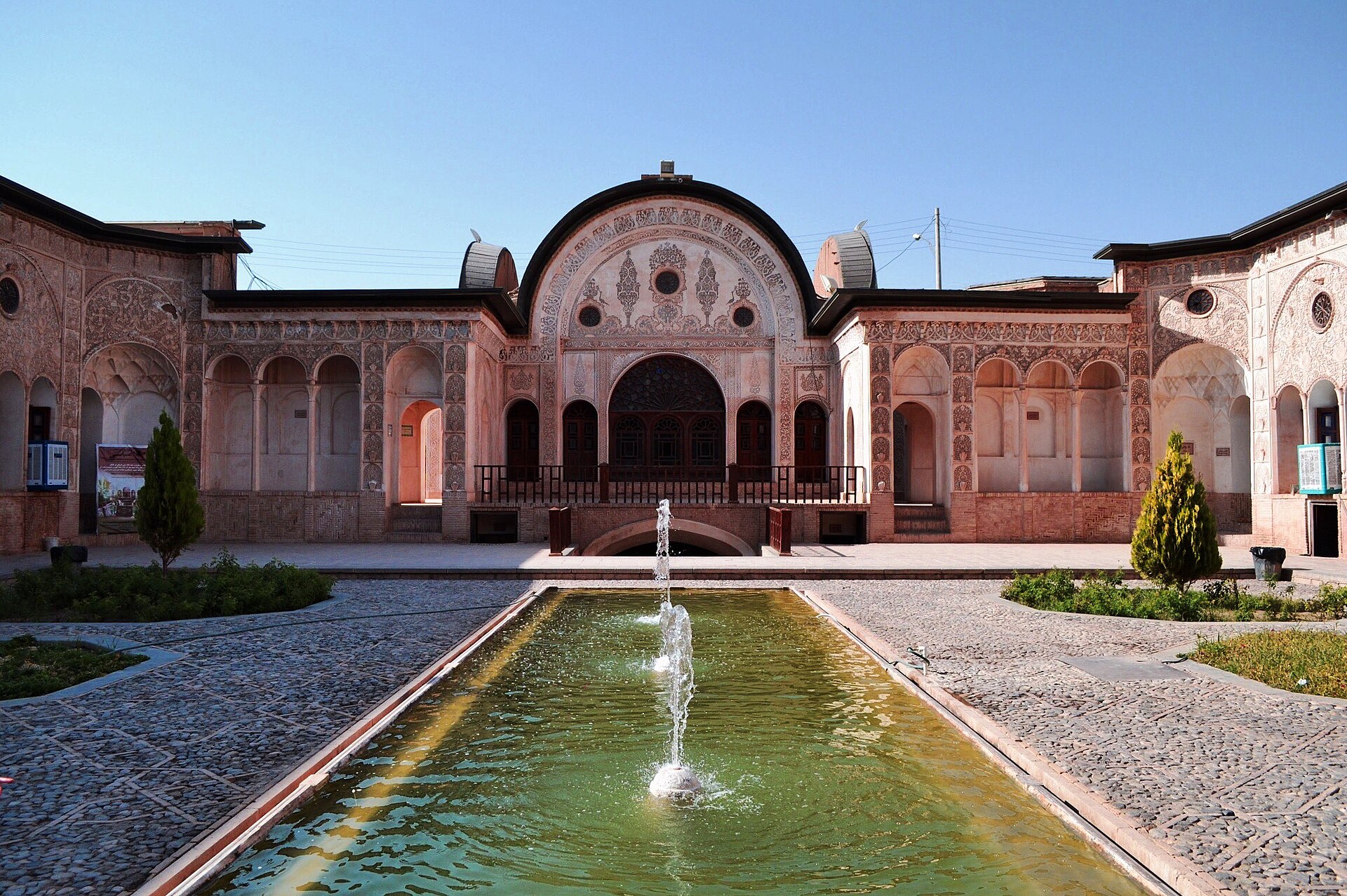
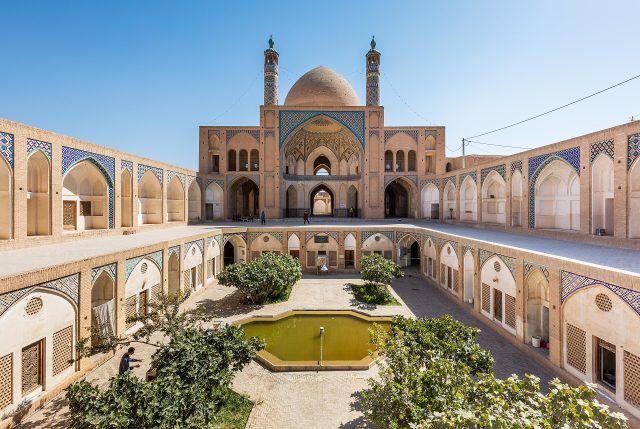
Walking through the entrance, you step into a world where symmetry and light play leading roles. The house is organized around a central courtyard, a feature common in Persian architecture, but here it feels particularly intimate. The courtyard isn’t just an open space; it’s a carefully calibrated environment where water, greenery, and shade work together to cool the air. A shallow pool reflects the sky, while the sound of trickling water from the fountains adds a layer of tranquility. The walls, adorned with intricate stucco and mirror work, catch the sunlight in ways that make the space feel alive, shifting with the time of day.
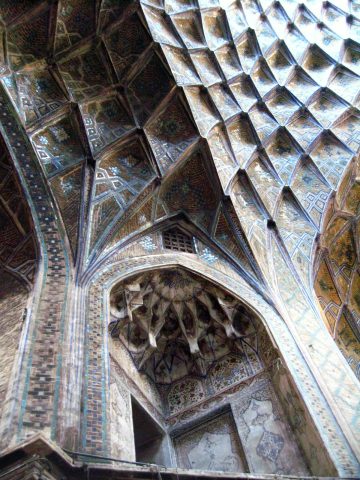
The interior of the Tabatabaei House is where its true genius becomes apparent. The rooms are arranged in a way that balances privacy and hospitality, a reflection of the social customs of the time. The *biruni*, or public areas, were where guests were received, and these spaces are the most elaborately decorated. Here, you’ll find walls covered in delicate floral motifs, geometric patterns, and calligraphic inscriptions—each element chosen not just for its aesthetic appeal, but for its symbolic meaning. The *andaruni*, or private quarters, are more subdued, designed for the family’s daily life. These rooms often feature lower ceilings and smaller windows, creating a sense of warmth and seclusion.
One of the most striking features of the house is its use of *badgirs*, or wind catchers. These tower-like structures rise above the roofline, designed to funnel cool air down into the living spaces below. In a city where summer temperatures can soar, the badgirs were an ingenious solution to a practical problem, and they’re a testament to the sophistication of Persian engineering. The Tabatabaei House has several of them, each positioned to maximize airflow, and their presence is a reminder of how deeply connected this architecture is to its environment.
The house also tells a story of the people who lived here. The Tabatabaei family were not just merchants; they were patrons of the arts, and their home reflects that. The decorations, from the carved wooden doors to the stained-glass windows, were crafted by local artisans, many of whom were among the best in their fields. The house was a canvas for their skills, but it was also a place where ideas were exchanged. Kashan has long been a center of learning and culture, and the Tabatabaei House would have been a gathering place for poets, scholars, and travelers passing through the city.
Today, the house is open to visitors, and stepping inside feels like entering a different era. The restoration work has been careful, preserving the original materials and techniques wherever possible. The result is a space that feels authentic, not like a museum exhibit, but like a home that’s still in use. The furniture and personal belongings are long gone, of course, but the layout and details—like the built-in niches for storing books or the raised platforms for sleeping—offer glimpses into how the family once lived.
What makes the Tabatabaei House special isn’t just its beauty, but the way it embodies the principles of Persian architecture: harmony with nature, attention to detail, and a deep respect for the rhythms of daily life. It’s a place where every element, from the placement of a window to the curve of a staircase, has a purpose. And while it was built for a wealthy family, its design speaks to universal human needs—comfort, beauty, and a connection to the world outside.
Kashan itself is a city that rewards slow exploration. It’s not as grand as Isfahan or as ancient as Persepolis, but it has a quiet charm that lingers. The Tabatabaei House is just one of many historic homes in the city, each with its own story. But this one stands out for the way it balances grandeur and intimacy. It’s a place where you can imagine the murmur of conversations over tea, the rustle of silk robes, and the quiet hum of a life lived in harmony with its surroundings. If you visit, take your time. Sit in the courtyard for a while. Watch how the light changes. The house has a way of making you feel both insignificant and deeply connected to something larger than yourself.