White Palace is one of those places where Serbian history feels tangible, where the past isn’t just remembered but lingers in the air. Tucked away in Rakovica, a quiet district on the outskirts of Belgrade, it doesn’t demand attention like the city’s more famous landmarks. Yet for those who take the time to visit, it offers something rare—a glimpse into the private world of Serbia’s monarchy, a space where the country’s early 20th-century ambitions and uncertainties come to life.
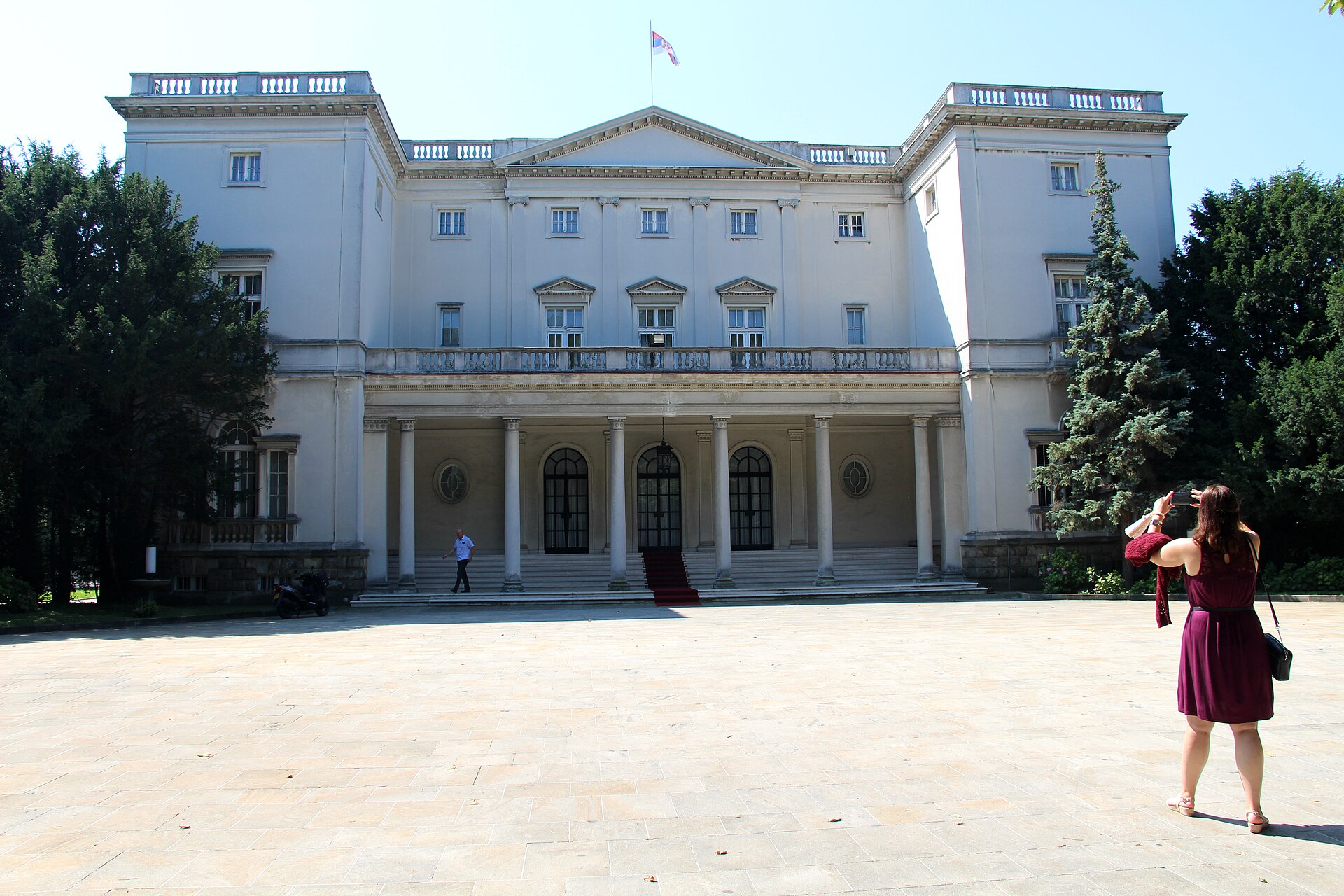
The palace was commissioned by King Alexander I Karađorđević in 1934, though construction wasn’t completed until 1937, three years after his assassination. Designed by Belgrade architect Živojin Nikolić, the building reflects the neoclassical and Renaissance influences popular in Europe at the time. Its light-colored stone facade gives it a dignified, almost understated elegance, while the interior balances grandeur with intimacy. Marble staircases, carved wood paneling, and intricate frescoes create an atmosphere that feels both formal and lived-in. The chandeliers, the family portraits, even the way the light falls through the tall windows—everything here speaks of a time when this was a home, not just a symbol of power.
After World War II, the palace’s fate mirrored Serbia’s own turbulent history. With the monarchy abolished, the building became state property, housing government institutions before eventually serving as a presidential residence in the 1990s. Today, only parts of the palace are open to the public, and visits require advance booking. But even the accessible rooms leave a lasting impression. The grand reception hall, with its soaring ceilings and ornate moldings, hints at the official functions once held here. The library, filled with rare books, suggests the intellectual pursuits of its former inhabitants. And the winter garden, with its mosaic floors and potted palms, offers a quiet retreat where one can almost hear the murmur of past conversations.
The surrounding park is just as much a part of the palace’s story. Designed in the English landscape style, it’s a place of winding paths, shaded groves, and small ponds—far removed from the rigid symmetry of formal gardens. There are no grand fountains or manicured flowerbeds, just a sense of natural beauty that invites leisurely strolls. Old trees, some likely planted during the monarchy, provide a canopy of green in summer and a blaze of color in autumn. Hidden among the foliage are small pavilions and sculptures, remnants of a time when the park was a private retreat for the royal family.
White Palace is deeply tied to the tragic figure of King Alexander I. It was here that he spent his final years before his fateful trip to Marseille, where he was assassinated in 1934. After his death, the palace became a place of memory, a physical link to a monarchy that was already fading into history. Today, it stands as a quiet witness to an era when Serbia was navigating its place in Europe, torn between tradition and modernity. The details—family photographs, personal belongings displayed in glass cases—make the past feel immediate, as if the people who once lived here have only just stepped out of the room.
For anyone interested in Serbian history, White Palace offers a different kind of museum experience. Unlike traditional exhibits where artifacts are kept behind glass, here visitors can walk the same halls as the Karađorđević dynasty, sit in the same chairs, and imagine the conversations that once filled these rooms. The palace’s more intimate scale sets it apart from Belgrade’s Old Palace, which was the monarchy’s official residence and reflects a more austere, ceremonial style. Together, the two buildings paint a fuller picture of Serbia’s royal past—one grand and public, the other personal and reflective.
These days, White Palace still plays a role in Serbia’s public life. Official events, diplomatic receptions, and occasional classical concerts take place within its walls. The park, meanwhile, remains a favorite spot for locals, especially on weekends, when families come to walk, relax, and enjoy the quiet. For visitors, the palace isn’t just another stop on a tourist itinerary but a chance to step away from the noise of the city and engage with history in a more thoughtful way. There’s no rush here, no crowds—just the opportunity to wander, observe, and perhaps even feel a connection to the people who once called this place home.
What makes White Palace special is how it reflects the contradictions of its time. It’s not a medieval fortress or a lavish Baroque palace, but something more modest and human. The architecture, with its clean lines and restrained elegance, mirrors Serbia’s early 20th-century aspirations—its desire to be part of Europe while holding onto its own identity. The white stone facade, the graceful proportions, the way the building sits harmoniously within its park—all of it feels like a quiet statement of intent. History isn’t just preserved here; it’s still present, waiting to be noticed by those who take the time to look.