Novi Sad’s Danube Park is one of those places where the city breathes a little easier. It sits quietly along the riverbank, just a short walk from the center, where the hustle of daily life gives way to wide paths, old trees, and the occasional ripple of water from the Danube. The park isn’t grand in the way some European capitals might boast—no towering monuments or manicured gardens—but that’s part of its charm. It feels lived-in, a patch of green where locals come to escape without needing a reason.
The park’s history is tied to the city itself. Novi Sad has always been a place where cultures and influences overlap, and Danube Park reflects that. It was established in the late 19th century, when the city was part of the Austro-Hungarian Empire, and its design carries the marks of that era—wide promenades, symmetrical flowerbeds, and a sense of order that contrasts with the wildness of the river nearby. Over the years, it has seen everything from quiet afternoon strolls to larger gatherings, including the famous EXIT Festival, which spills out from the nearby Petrovaradin Fortress and turns the park into a temporary hub of music and energy.
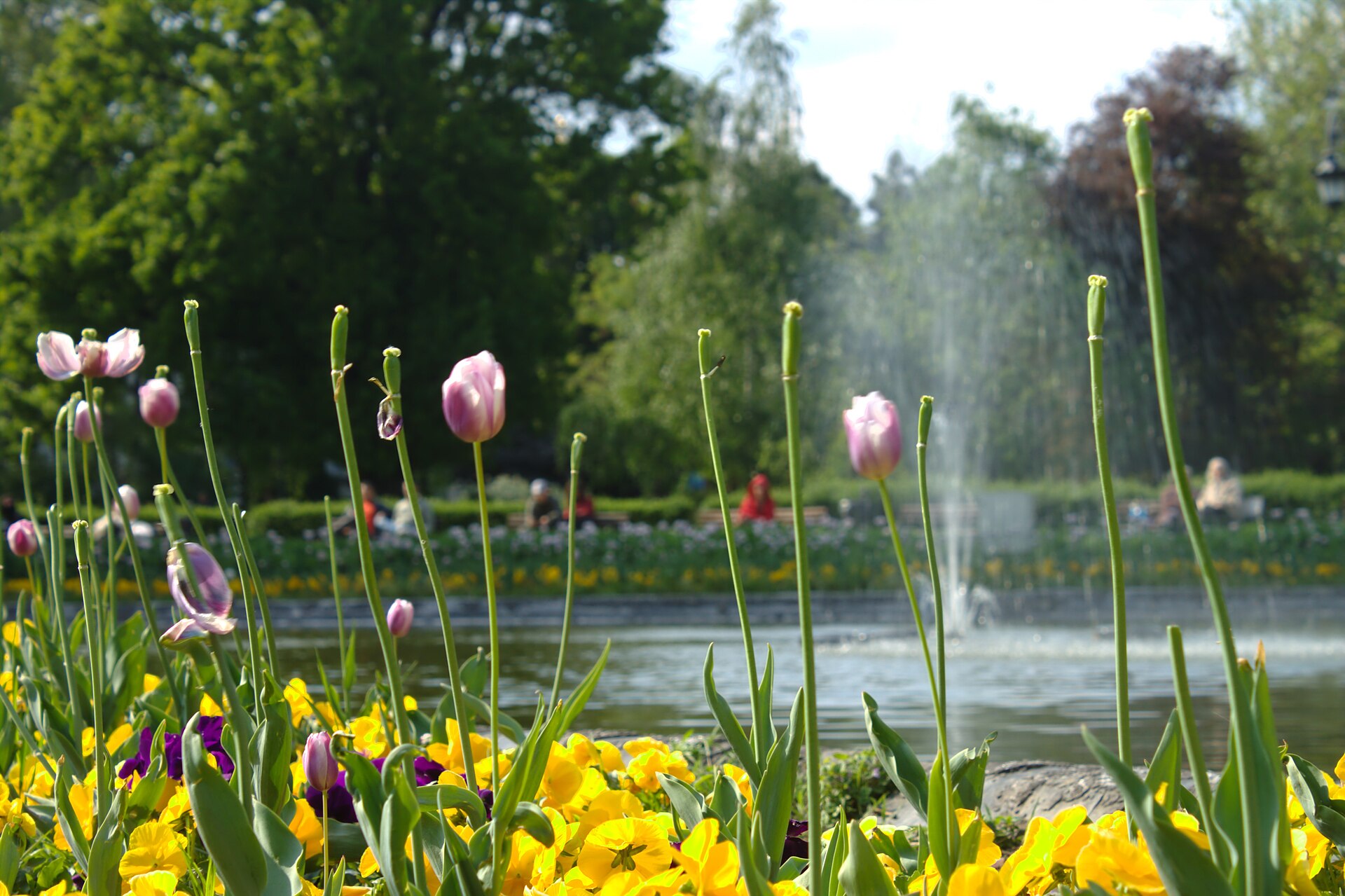
Walking through Danube Park, you notice how the space balances nature and structure. The trees—some of them well over a century old—provide shade in the summer and a canopy of gold in the autumn. The paths wind around small ponds, where ducks drift lazily and children sometimes toss breadcrumbs from the bridges. There’s a quiet pond near the center, its surface often dotted with lily pads, and a small island that feels like a secret spot, even though it’s right in the middle of everything. The park isn’t pristine; there are patches where the grass is worn from foot traffic, and the benches show signs of use, but that only adds to its character.
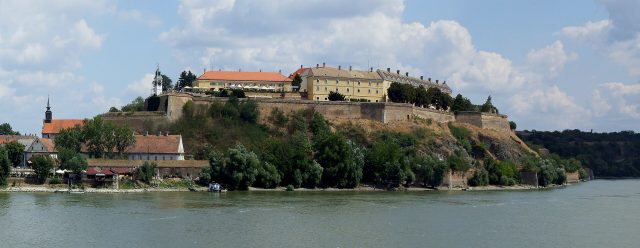
One of the park’s most striking features is the way it frames the Danube. The river here is wide and slow-moving, and the park’s layout takes advantage of that. From certain spots, you can see the water stretching toward the horizon, with the Petrovaradin Fortress rising on the opposite bank like a sentinel. The fortress, with its white walls and clock tower, is a constant presence, and the park offers some of the best views of it. In the evening, when the lights come on, the reflection of the fortress in the water creates a scene that feels almost theatrical.
The park is also a place of small details. There’s a small open-air stage where local musicians sometimes perform, and in the warmer months, you might stumble upon an impromptu picnic or a group of students sketching under the trees. The flowerbeds change with the seasons—bright tulips in spring, deep reds and oranges in autumn—and the scent of blooming linden trees in early summer is something you don’t forget. Near the entrance, there’s a small café where people linger over coffee, watching the world go by. It’s not a place for grand gestures, but for the quiet moments that make a city feel like home.
What makes Danube Park special is how it fits into the rhythm of Novi Sad. It’s not just a tourist attraction, though visitors do come to see it. It’s where locals bring their dogs for a walk, where elderly couples sit on benches and watch the river, where young families push strollers along the paths. On weekends, the park fills up with life—joggers, cyclists, people reading on the grass—but even then, it never feels crowded. There’s always a corner where you can find a bit of solitude, whether it’s by the water or under the shade of an old oak.
The park has seen its share of changes over the years. During the NATO bombing of Serbia in 1999, it was damaged, like much of the city, but it was restored and reopened, a small symbol of resilience. Today, it stands as a reminder of Novi Sad’s ability to endure and adapt. It’s not a place of grand historical significance, but it’s woven into the fabric of the city in a way that few other spots are. You don’t come here to check something off a list; you come to sit by the water, to watch the light change over the Danube, or simply to feel the pulse of the city in a quieter way.
In the end, Danube Park is what a good urban park should be: a place that belongs to everyone and no one at the same time. It doesn’t demand your attention, but if you give it a little time, it rewards you with moments of unexpected beauty. Whether it’s the way the morning mist rises off the river, the sound of laughter from a nearby playground, or the sight of an old man feeding the ducks, the park has a way of making you slow down. And in a world that often feels like it’s moving too fast, that might be its greatest gift.