Urbino is a town where the past lingers in quiet corners, where the streets still echo with the footsteps of those who shaped the Renaissance. Among its modest buildings, one house stands as a quiet testament to a boy who would grow into one of history’s greatest artists. The House of Raphael is not a grand museum or a lavish estate, but a place where time seems to have paused, preserving the atmosphere of the late 15th century when a young Raphael Santi first picked up a brush under the guidance of his father.
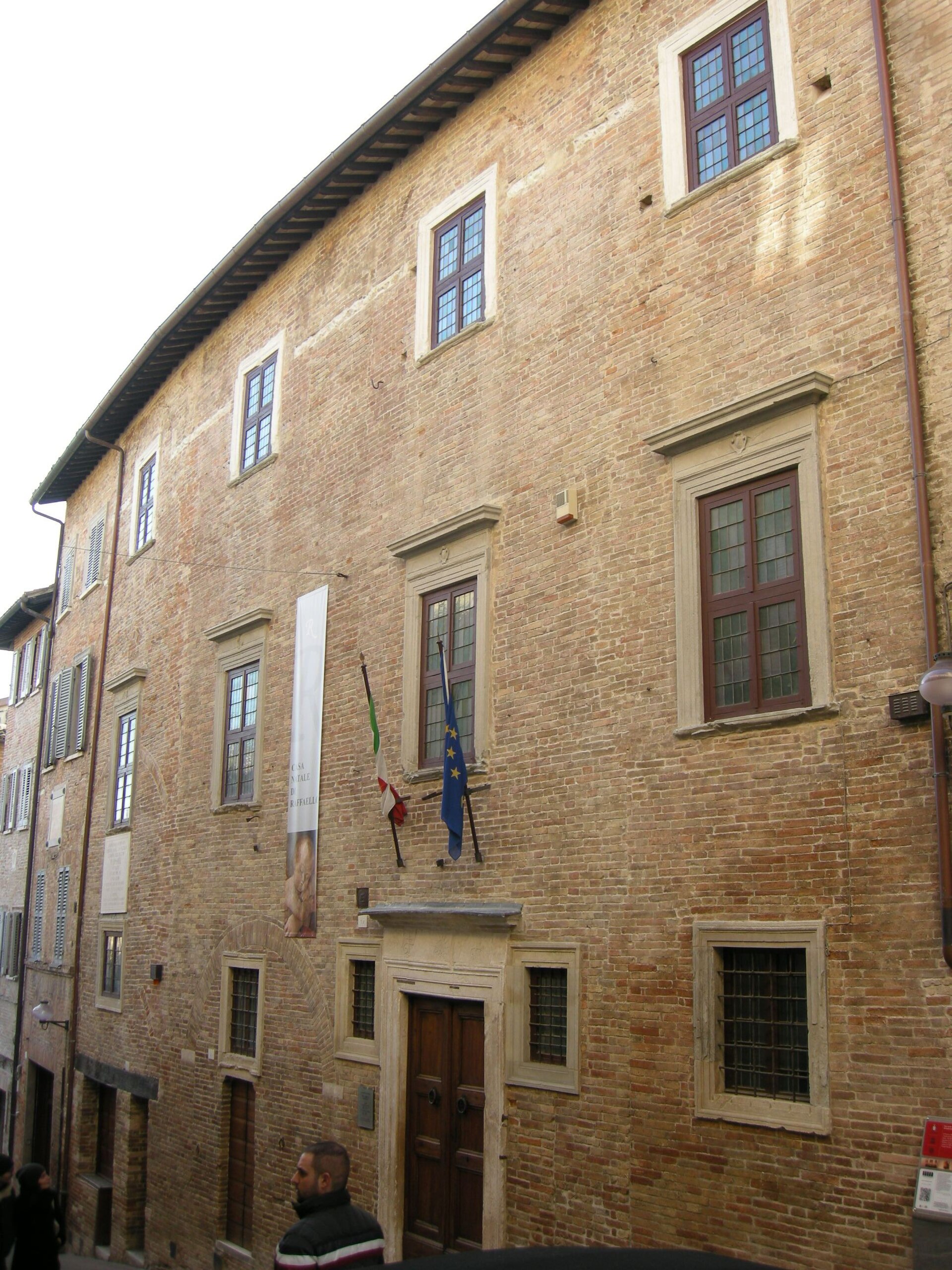
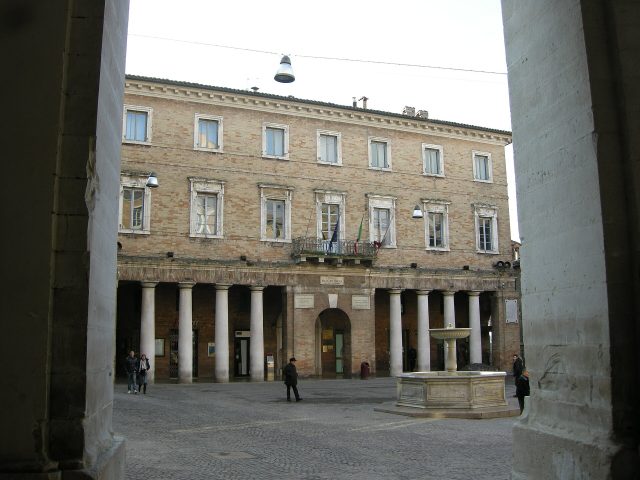
The house itself is unassuming, blending seamlessly into the narrow, cobbled streets of Urbino. Its red-brick facade, small windows with wooden shutters, and simple doorway reflect the modest status of the Santi family—neither wealthy nor poor, but part of the city’s artistic community. Inside, the rooms are small, with low ceilings that create an intimate, almost claustrophobic feel. This was where Giovanni Santi, a painter of some renown, worked and taught his son the fundamentals of art. The workshop, now part of the museum, still holds the tools and furnishings of the era, offering a glimpse into the daily life of a Renaissance artist’s household.
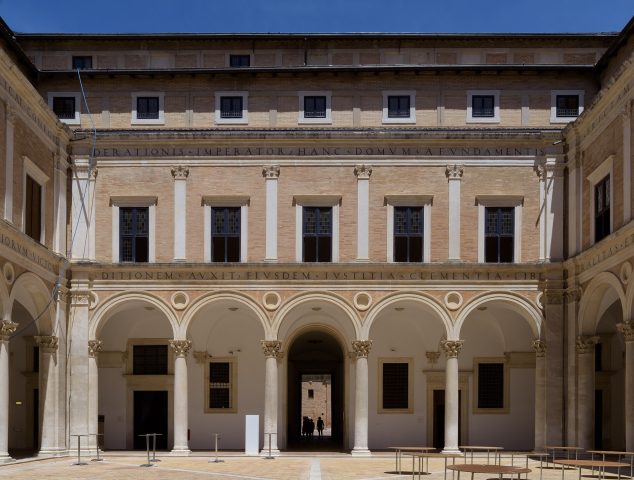
Urbino in the late 1400s was a thriving center of culture, thanks to the vision of Duke Federico da Montefeltro. He transformed the town into a hub of intellectual and artistic activity, attracting architects, scholars, and painters who shaped the ideals of the Renaissance. Raphael grew up in this environment, absorbing the humanist ideas that would later define his work. His family’s home was close to the ducal palace, and it’s easy to imagine the young artist wandering its halls, observing the frescoes and sculptures that adorned the residence of Montefeltro.
What makes the House of Raphael unique is its authenticity. Unlike many museums, where artifacts are displayed behind glass, this place feels lived-in. Visitors walk through the same rooms where Raphael once listened to his father’s lessons, where conversations about art and philosophy filled the air. One of the few surviving works attributed to the young artist—a small fresco—hangs in a corner, a humble reminder of his early talent. The house doesn’t overwhelm with grandeur; instead, it invites reflection on the ordinary beginnings of an extraordinary life.
The house wasn’t always a place of pilgrimage. For centuries after Raphael’s death, it remained a private residence, its significance forgotten. It wasn’t until the 19th century, when interest in the Renaissance was revived, that efforts were made to preserve it. Restorations were carried out carefully, ensuring the building retained its original character. Today, it stands as a bridge between past and present, a reminder that greatness often has modest roots.
A visit here is less about ticking off a tourist attraction and more about stepping into history. Urbino is not a city of crowds; it moves at its own unhurried pace, and the House of Raphael fits perfectly into this rhythm. Walking through its rooms, one can almost hear the echoes of a young boy’s footsteps, rushing to his father’s workshop or returning home after hours of practice. It’s a place where the quiet moments of creativity feel tangible, where the seeds of genius were first planted.
Beyond its connection to Raphael, the house offers a rare glimpse into the lives of ordinary people during the Renaissance. The exhibits show how families lived, worked, and valued their surroundings. There are no opulent halls or gilded ceilings, just the simple furnishings and tools of everyday life. This lack of pretension is what makes the house so compelling—it reminds us that even the greatest artists were shaped by their time and place.
For those exploring Urbino, the House of Raphael is a natural complement to the city’s other landmarks. The Ducal Palace, the cathedral, and the historic university all speak to Urbino’s golden age, but none capture the personal touch of this small house. It’s a place where the spirit of the Renaissance feels alive, not through grand gestures, but through the quiet details of a life lived in pursuit of beauty. That, perhaps, is why it remains one of Italy’s most moving sites—not for its fame, but for its truth.