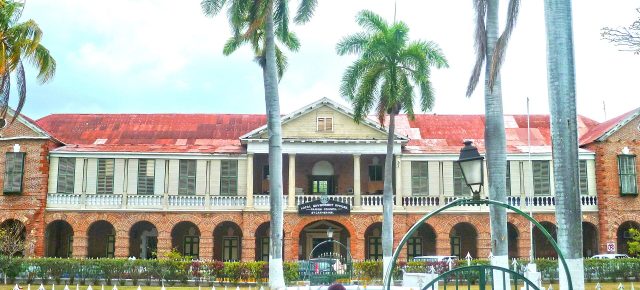
Spanish Town is a place where history lingers in the quiet corners of its streets. Once the capital of Jamaica, it was the island’s political and cultural heart under Spanish and later British rule. Today, its colonial buildings stand as silent witnesses to the past. The House of Folk Culture is one of them.
The building reflects the era when Spanish Town was the center of island life. High ceilings, thick wooden doors, and airy rooms slow time. Inside, local artisans’ work lines the walls—carved wood, textiles, pottery, and paintings that capture Jamaican art’s bold spirit. Each piece is a fragment of life as it was lived.
Culture here isn’t static. Visitors can join workshops to learn traditional crafts: basket-making from palm leaves, fabric dyeing with natural pigments, or shaping clay. Music often fills the rooms—played on instruments passed down through generations or in the rhythms of mento, the folk style that preceded reggae. Elders sometimes share stories of Spanish Town in the mid-20th century, when the town still thrived before Kingston became the capital.
The House of Folk Culture doesn’t romanticize the past. Modern artists reinterpret traditional motifs, blending old patterns with new techniques or using recycled materials. This mix keeps the past and present connected.
The collection includes everyday objects: old photographs, handwritten letters, tools, and household items. A wooden sugarcane press reflects the island’s sugar history. Colonial-era coins hint at the trade that shaped Jamaica’s economy. These aren’t just relics; they’re connections to the lives that built the island.
Founded by the Spanish in the 16th century, Spanish Town remained Jamaica’s capital until the 19th century. Its decline left historic buildings behind, and this place now guards its identity. Lectures on preserving cultural heritage often take place here, where locals and historians discuss how to keep the past alive.
The atmosphere is unhurried. In the shaded courtyard, you can sit with locally brewed coffee and listen to the town: children laughing, mango leaves rustling, distant drums. Music, like history, is part of Jamaican life.
For travelers who want more than beaches, this place offers something deeper. It’s a chance to see Jamaica through the eyes of those who live here. Unlike crowded markets, the House of Folk Culture invites you to step into a world beyond postcards. That’s why many return—not for spectacle, but for the quiet understanding of a place as it is.