In the quiet town of Kochkor, nestled in Kyrgyzstan’s Naryn region, there’s a place where the past feels very much alive. The Toktogul Satylganov House of Culture isn’t just another public building—it’s a living tribute to one of Kyrgyzstan’s most revered figures, a man whose voice still echoes in the songs sung at family gatherings and village celebrations. Toktogul Satylganov was more than a musician; he was a storyteller, a poet, and a voice for the Kyrgyz people during times of change. His legacy is woven into the very walls of this modest cultural center, where visitors can sense the weight of history without the formality of a museum.
The building itself is unassuming, a product of its Soviet-era origins with its straightforward design and practical layout. Yet what it lacks in grandeur, it makes up for in warmth. Inside, the walls are lined with portraits of Kyrgyz cultural icons, faded photographs of traditional instruments, and images capturing moments from Toktogul’s life. The atmosphere is one of quiet reverence, as if time slows down just enough to let you absorb the stories embedded in every corner. There’s no rush here, no scripted tour—just the quiet hum of a place that has seen generations come and go.
For the people of Kochkor, this House of Culture is more than a venue for events; it’s the heart of the community. In small towns across Kyrgyzstan, these cultural centers serve as gathering spots where life unfolds in its most authentic form. Concerts, festivals, and meetings take place here, but so do simpler moments—afternoon tea with neighbors, impromptu conversations, or the occasional game of cards. The most memorable events, though, are those tied to Kyrgyz traditions: *aytysh* competitions where poets improvise verses, epic recitals accompanied by the *komuz*, and workshops on traditional crafts. For many locals, this is the only place where they can experience these traditions firsthand, passed down not through books or screens, but through living, breathing culture.
Toktogul’s connection to Kochkor runs deep. He was born nearby, in the village of Sasyk-Jiyde, and his presence is still felt in the surrounding landscapes—the rolling hills, the quiet valleys—that inspired so much of his work. His songs weren’t just melodies; they were reflections of a people’s struggles, hopes, and resilience. During turbulent periods in Kyrgyzstan’s history, his music became a source of comfort and strength. Today, the House of Culture keeps his memory alive through stories, personal belongings, and recordings of his performances. For anyone curious about Kyrgyz culture, it’s a rare opportunity to step into the world of a man who shaped it.
Architecturally, the building is typical of Soviet-era cultural centers—spacious halls for performances, smaller rooms for rehearsals, and a facade that blends into the town’s modest streets. But what happens inside is anything but ordinary. In the summer, the courtyard often hosts open-air concerts, while winter brings festive gatherings for children. The locals treat the place with affection, not just as a public institution but as a second home. It’s where weddings are celebrated, where children take their first steps in dance or music, and where elders share stories with the younger generation.
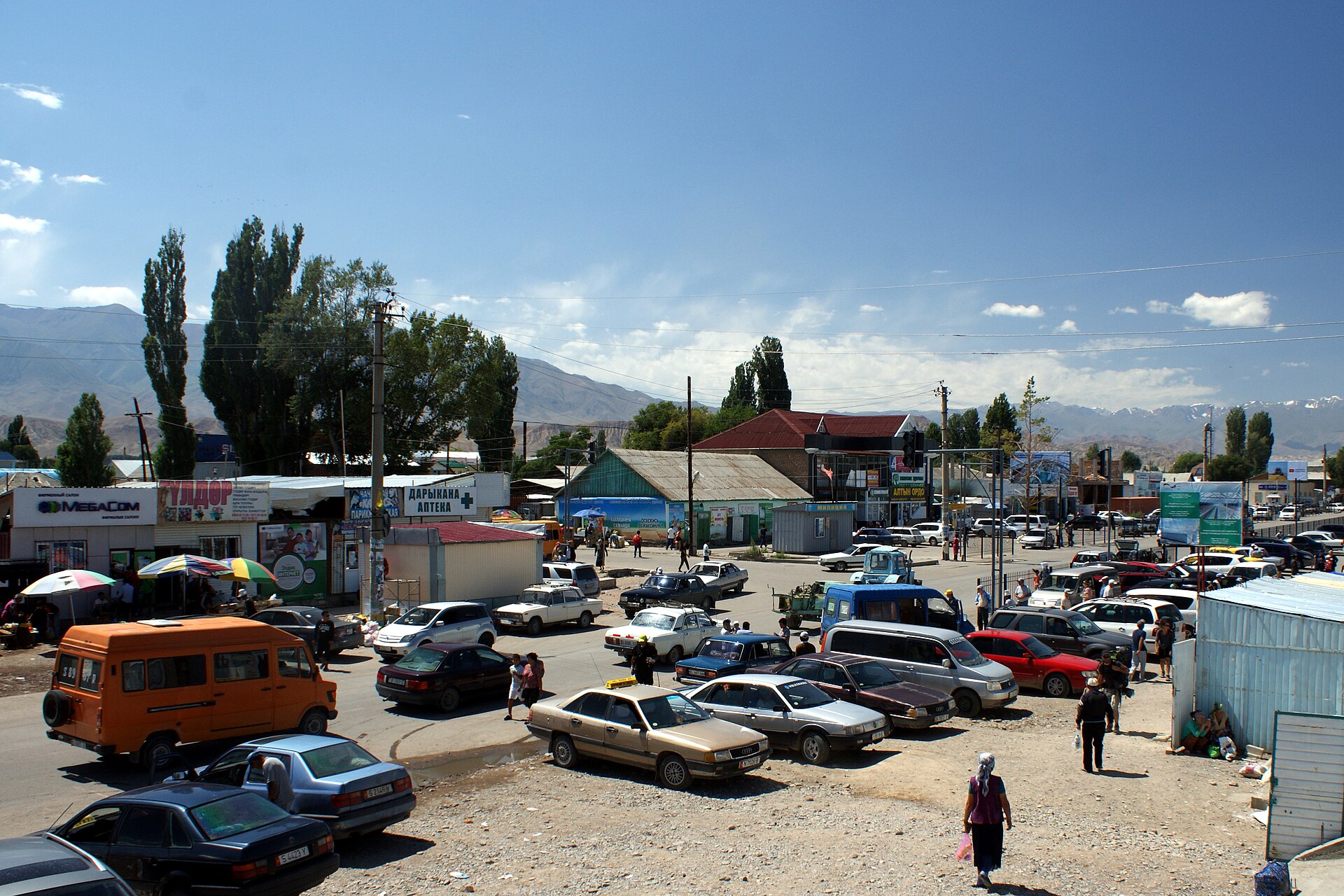
Kochkor itself is the kind of place travelers seek when they want to experience Kyrgyzstan beyond the usual tourist spots. There are no luxury hotels or crowded attractions here, just the quiet rhythm of rural life. The air is crisp with the scent of mountain herbs, and the people are welcoming in a way that feels genuine. The House of Culture fits perfectly into this setting—it’s not a place you stumble upon by accident, but one you visit with purpose. Whether you’re here to attend a concert, learn about Kyrgyz traditions, or simply soak in the atmosphere, it offers a glimpse into the soul of the community.
What makes this place special is its lack of pretense. There are no rigid tours or rehearsed speeches, just an open invitation to engage. The staff and local enthusiasts are happy to share their knowledge, whether it’s explaining the history behind a particular instrument or demonstrating how to play the *komuz*. Visitors might find themselves watching a dance rehearsal, listening to a folk ensemble, or even joining in a spontaneous sing-along. It’s the kind of place where culture isn’t something to observe from a distance but to participate in, even if just for a moment.
The Toktogul Satylganov House of Culture isn’t a museum in the traditional sense. There are no glass cases or roped-off exhibits—just a space where culture is lived, not preserved. It’s a reminder that traditions don’t have to be relics of the past; they can thrive in the present, evolving with each new generation. For Kochkor, this place is a symbol of continuity, a bridge between the old and the new. If you ever find yourself in this part of Kyrgyzstan, take the time to visit. You might leave with more than just memories—perhaps a deeper understanding of what it means to be part of a culture that refuses to fade.