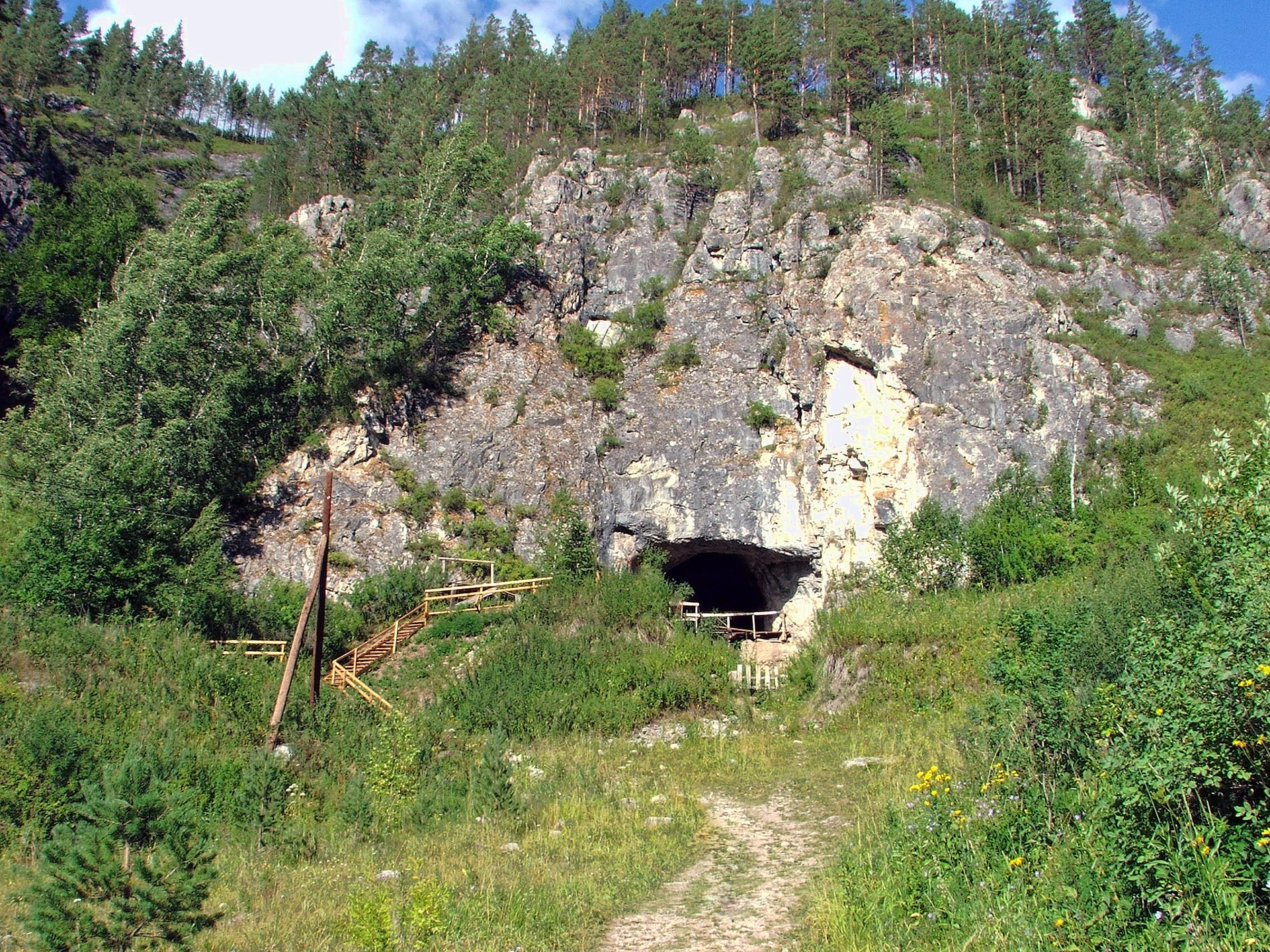
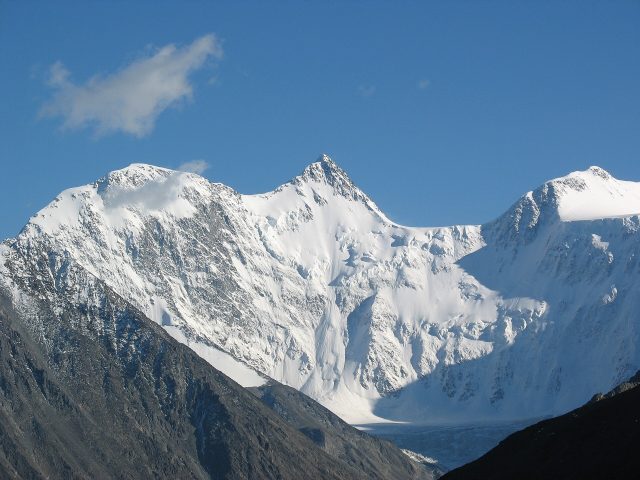
Denisova Cave is one of those rare places where human history feels tangible, almost within reach. Tucked into the foothills of the Altai Mountains, it’s not just a natural landmark but an archaeological treasure that has reshaped our understanding of ancient humans. The cave sits in the Anui River valley, surrounded by low ridges covered in larch and cedar. The air here is crisp and still, the kind of quiet that makes time feel slower, deeper, as if the past lingers just beneath the surface.
The cave was first noted by scientists in the late 19th century, but its true significance emerged only in the 21st. In 2008, researchers discovered a finger bone fragment belonging to an unknown hominin—its DNA didn’t match Neanderthals or modern humans. This was the Denisovan, a previously unknown species of ancient human. Since then, the cave has become a cornerstone of evolutionary research, its findings studied in museums and labs worldwide.
The cave itself is modest in size, stretching about a hundred meters deep with a few chambers and narrow passages. Inside, it stays cool even in summer, the walls lined with limestone formations shaped by water over millennia. The archaeological layers here span more than 200,000 years, each one a chapter in a story of human presence. Neanderthals, Denisovans, and early Homo sapiens all lived here at different times. Tools, ornaments made of stone and bone, and traces of hearths reveal how these people hunted, cooked, and made this place their home.
Among the most striking discoveries are objects that hint at artistry and craftsmanship. A bracelet made of chloritolite, dated to around 40,000 years ago, is so finely crafted that it astonishes modern jewelers. Its polished surface, precise drilling, and intricate patterns suggest the Denisovans had not just technical skill but an eye for beauty. Nearby, archaeologists found a needle made from a bird’s bone—the oldest known in the world—evidence of advanced needlework.
Today, the cave is open to visitors, but entry is only allowed with a guide. Tours are kept small to protect the delicate environment, and wooden walkways inside prevent damage to the fragile layers. The lighting is dim, preserving the cave’s atmosphere, while the guide’s stories transport you to a time when fires burned and voices echoed through these chambers.
Beyond the cave, a nature park offers trails through the surrounding landscape. One path leads to a viewpoint atop a hill, where the Anui Valley and the surrounding mountains stretch out below. In summer, Altai wildflowers bloom across the slopes, and in autumn, the forest turns gold and crimson. Winter transforms the cave into something even more mysterious, its entrance dusted with snow, the cold air making it feel as if time itself has paused.
For scientists, Denisova Cave remains a vital site. Each season brings new excavations, and discoveries continue to surprise. Recently, a bone fragment was found containing DNA from three ancient human species—Denisovan, Neanderthal, and Homo sapiens—confirming that they not only coexisted but interbred, leaving traces in the genomes of modern humans.
Visiting the cave is more than just a tour; it’s an encounter with history that shifts how you see the past. Some leave awed by the skill of ancient humans, others reflect on the fragility of civilization, and some simply soak in the quiet beauty of the Altai. But no one leaves unchanged. This is a place where every stone holds memories of those who lived long before us, a reminder of how deeply the past is woven into the present.