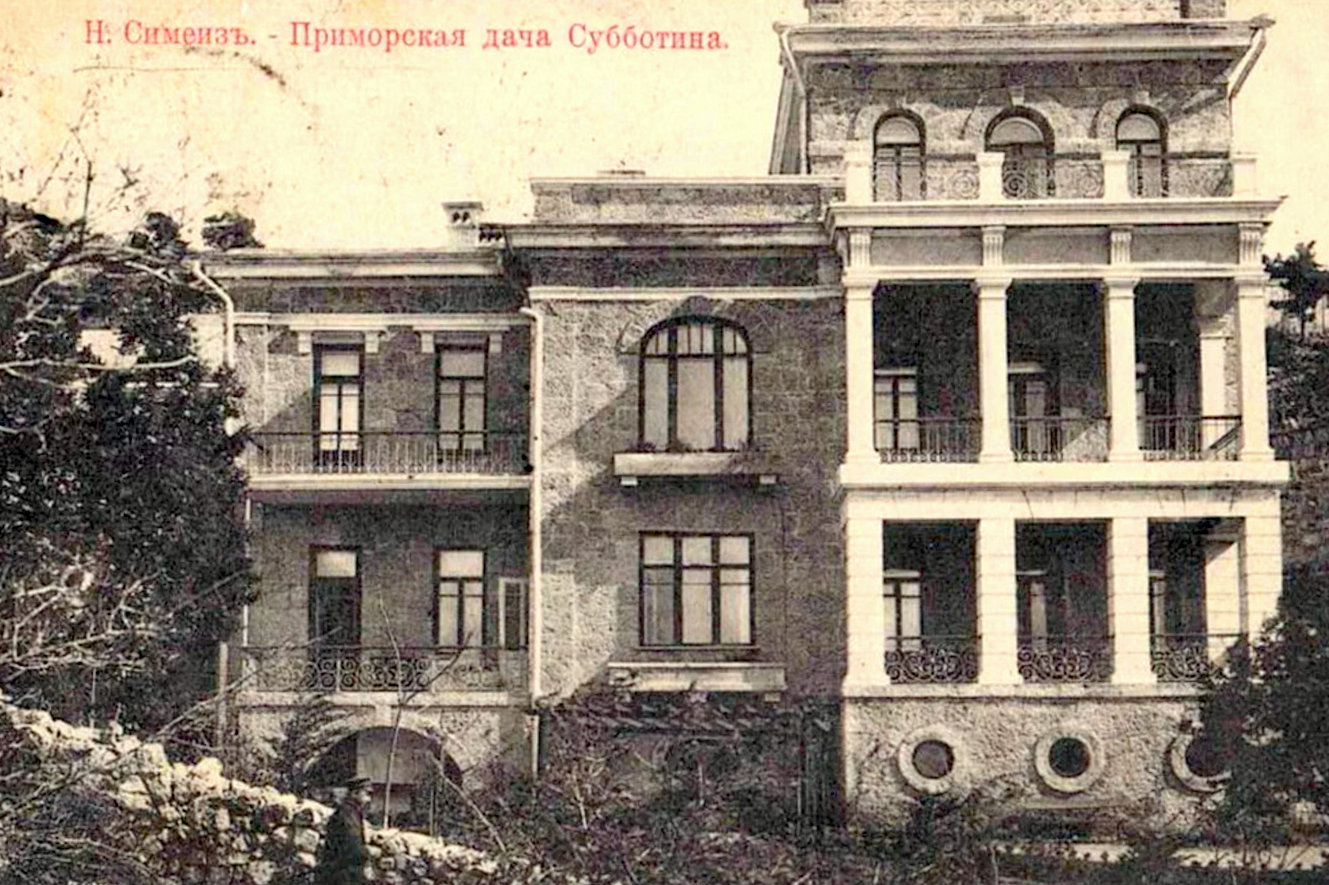
Simeiz is one of those rare places where time seems to slow down, where the past lingers in the quiet rustle of pine trees and the steady rhythm of the sea. Among its many subtle charms, the Satina Dacha stands as a quiet witness to an era long gone. Built in the early 20th century, this house was once the retreat of Nikolai Satina, a Moscow merchant and patron of the arts who chose this stretch of the Crimean coast for its gentle climate and breathtaking views. Unlike the grand estates that dot the region, the dacha was never meant to impress with opulence. Instead, its design reflects a desire to blend seamlessly with the landscape—soft curves, large windows framing the sea, and wide verandas that dissolve the boundary between indoors and out.
The house was constructed in a style that hovers between Art Nouveau and something more understated, almost organic. There are no heavy columns or gilded flourishes here, just a sense of harmony with the surroundings. The rooms inside, though modest in size, were arranged to catch the light at every hour, with high ceilings and intricate woodwork that hint at the craftsmanship of the time. Some of the original details remain—delicate plasterwork, carved panels, and fireplaces that once warmed gatherings of artists and thinkers. Over the years, much has faded, but the house still carries the warmth of a home, not a museum.
In its heyday, Simeiz was a haven for Russia’s creative elite, and the Satina Dacha was no exception. Writers, painters, and musicians would gather here, drawn not just by the beauty of the place but by the sense of seclusion it offered. The garden, laid out in terraces that descend toward the sea, was planted with rare species brought from across the world. Even now, walking its paths feels like stepping into another time. The air is thick with the scent of cypress and sea salt, and it’s easy to imagine the conversations that once unfolded here—debates about art, quiet readings on the veranda, or simply the shared silence of people content to be still.
The dacha’s history is as layered as the landscape itself. After the revolution, it was nationalized and repurposed, serving as a sanatorium, a rest home, and later as part of the Soviet resort infrastructure. Each new chapter left its mark, but the essence of the place endured. Today, the house is privately owned, and access is limited, though its exterior and gardens remain a draw for those who appreciate the quieter side of Crimea’s past. It’s not a place that demands attention, but that’s part of its appeal. There are no crowds, no guided tours, just the slow unraveling of time in a setting that feels untouched by the rush of the modern world.
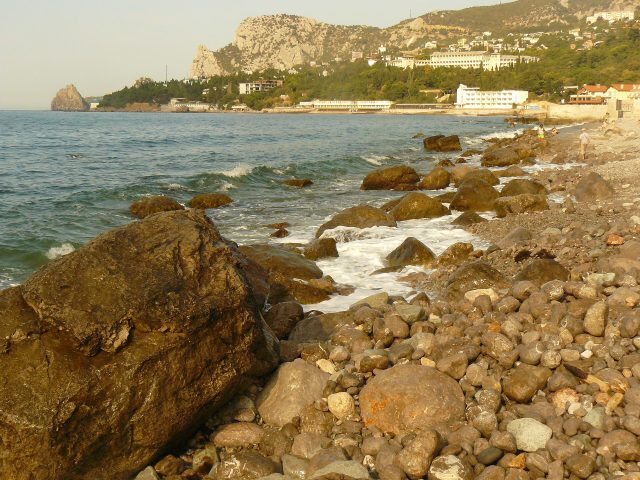
Simeiz itself is a town that resists the trappings of mass tourism. It’s not a place for nightlife or shopping sprees, but rather for long walks along the shore, for afternoons spent in the shade of ancient pines, for moments when the only sound is the waves breaking against the rocks. The Satina Dacha fits perfectly into this rhythm. It doesn’t announce itself; it simply exists, a quiet presence in a landscape that has seen centuries of change. For those who seek it out, it offers something rare—a connection to a past that feels both distant and strangely familiar.
What makes the dacha more than just an architectural relic is its ability to evoke the values of the people who once lived here. A century ago, this was a place where beauty, nature, and intellectual curiosity were prized above all else. In an age of constant motion, such places serve as reminders that some things endure. The way the light falls through the trees in the late afternoon, the way the sea breeze carries the scent of wild herbs—these are the same details that would have captivated visitors a hundred years ago. The dacha doesn’t need to be grand to leave an impression; its power lies in its quiet persistence.
If you find yourself in Simeiz, take the time to walk past the Satina Dacha. Even from a distance, it has a presence—white walls softened by climbing ivy, windows that seem to hold the shadows of another era. You may not get a chance to step inside, but that’s not the point. The house doesn’t ask for admiration; it simply exists, a fragment of history tucked into the landscape. It’s the kind of place that lingers in your memory long after you’ve left, not because it’s extraordinary, but because it feels like a secret worth keeping.