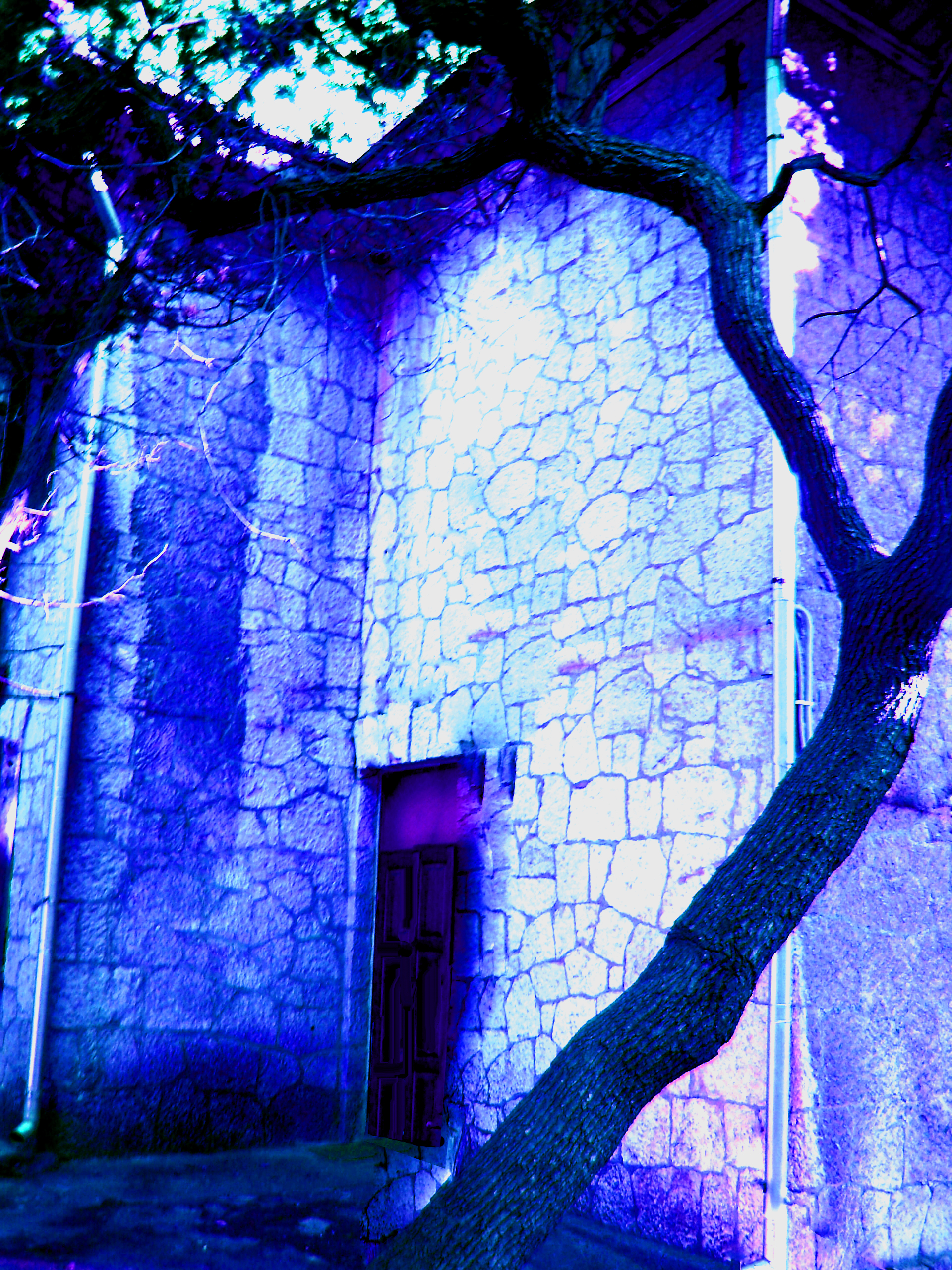
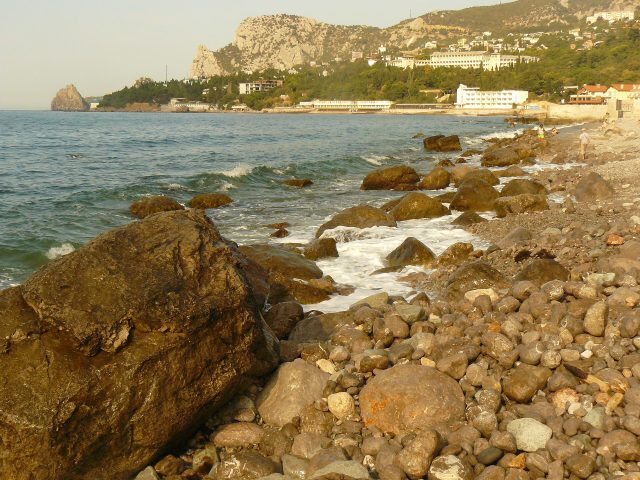
The Arnol’di Dacha in Simeiz is one of those places where time feels paused. Built in the early 20th century, it belongs to an era when Crimea’s southern coast became a retreat for Russia’s aristocracy and creative elite. Simeiz then had no modern hotels—its rugged shores and mild climate attracted those seeking solitude.
The dacha was never just a vacation home. It embodied a way of life that prized leisure, refinement, and a connection to nature.
The building reflects Crimean Art Nouveau of the early 1900s, with its own character. It’s low and asymmetrical, with large windows and verandas that blend the sea with the interior. Stucco details adorn the facades, and the roof’s dormer windows show European influences common among Russian architects of the time. The original garden held exotic plants—palm trees, cypresses, magnolias—from around the world. Today, only fragments remain, but they still hint at the dacha’s past grandeur.
Arnol’di, the owner, was likely part of St. Petersburg or Moscow’s elite—an industrialist or patron of the arts. Wealthy individuals then bought Crimean real estate not for profit, but for prestige and summer escapes. The dacha hosted musical evenings, literary discussions, and gatherings of artists, writers, and musicians who shaped Russia’s culture at the turn of the century.
The 1917 Revolution changed everything. The dacha was nationalized and turned into a sanatorium. Unlike many estates, it avoided heavy renovations. Its remote location or luck preserved it. Today, it looks much as it did a century ago, though restoration is needed. Inside, wood paneling, fireplaces, and stained glass once filled the rooms. Only fragments remain, but they evoke the past.
In the early 20th century, Simeiz was a cultural crossroads. Russian aristocrats and Europeans came for its climate and landscapes. The town was known for its sanatoriums, built with the latest medical advancements. The Arnol’di Dacha wasn’t one of them, but it fit into this world where comfort and health mattered. Guests walked in the mountains, bathed in the sea, and enjoyed the quiet beauty. Few villas from that time survive as well as this one.
The dacha stands on Simeiz’s outskirts, away from tourist routes. Most passersby miss it. There are no crowds, no cafes, no souvenir stalls—just silence and the sound of the sea. Walking here, you can almost hear the music that once filled the veranda, the waves crashing below.
The dacha’s future is unclear. Like many historic buildings in Crimea, it needs restoration. Interest in preserving the peninsula’s heritage has grown, but not all sites get attention. Maybe one day it will host those who want to preserve the past. For now, it’s a quiet witness to history.
Visiting isn’t like going to a museum. There are no guides, no plaques, no maintained paths. It’s for those who see history in stone and wood. If you slow down, a walk here can feel like stepping back in time. Because sometimes history isn’t behind glass—it’s right beside you.