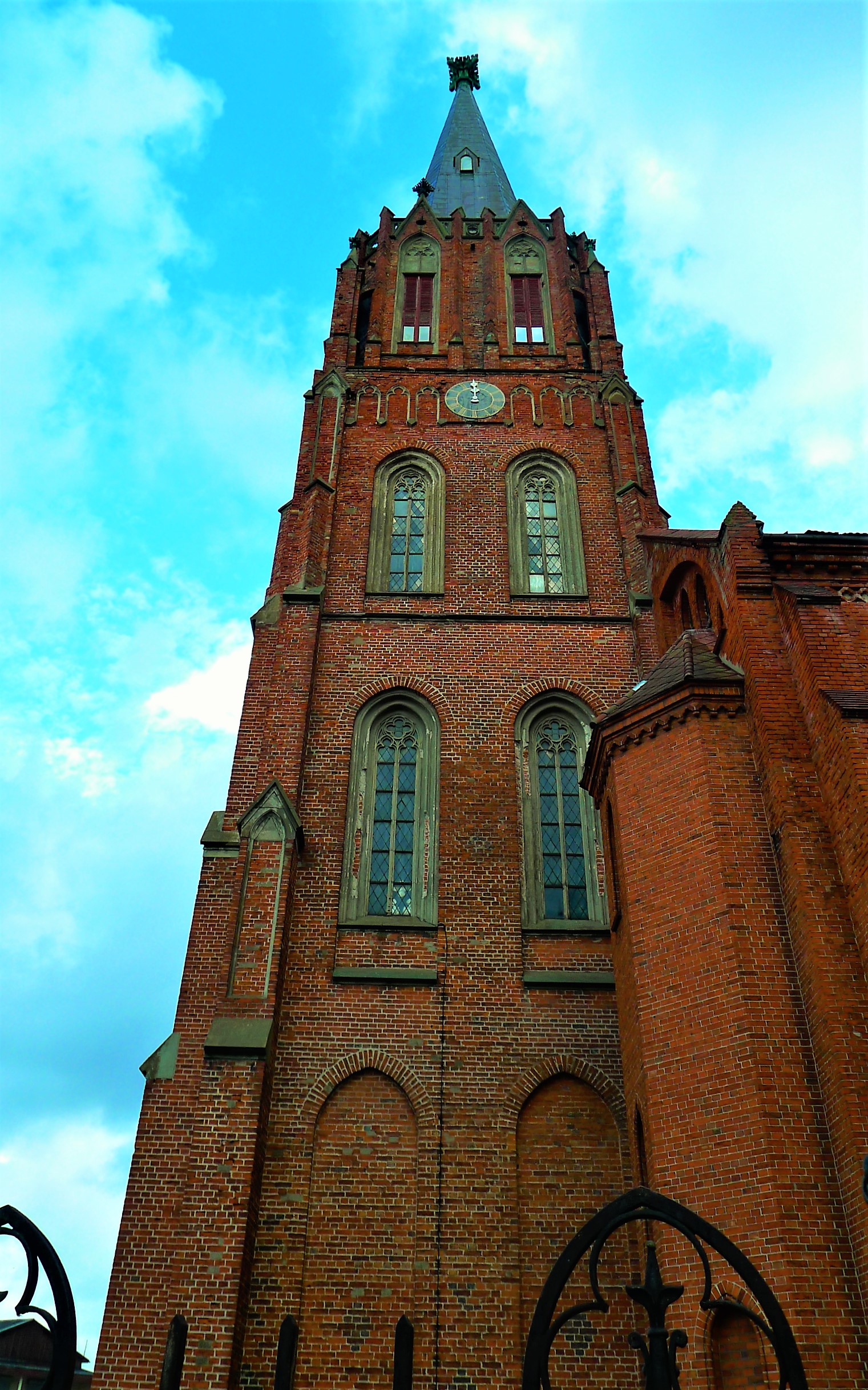
St. Anne’s Church in Liepāja is one of those rare places that seem to exist outside of time, a quiet witness to centuries of change. Built in the early 1700s, it stands where the old port city once saw merchants haggling and sailors unloading cargo. Now, the church watches over a different Liepāja, its red-brick walls a striking contrast to the modern life unfolding around it. The architecture is Northern Gothic: tall, narrow windows, sturdy buttresses, and a restrained elegance. It’s the kind of building that doesn’t just occupy space but seems to hold it, as if the very air around it moves a little slower.
Liepāja has always been a city of crossroads, and St. Anne’s is deeply tied to that history. In the 18th century, when the church was built, the city was part of the Duchy of Courland, a small but influential Baltic state where trade routes from Europe converged. Liepāja was a place where German merchants, Polish nobles, and local Latvian fishermen all left their mark. The church itself was funded by Catholic craftsmen and traders who wanted a spiritual home of their own, separate from the dominant Lutheran community. At the time, Catholicism was a minority faith here, but the city’s role as a trading hub meant it was never truly isolated from the wider world. St. Anne’s became a symbol of that connection—a place where people from different backgrounds could gather.
The church’s design tells its own story. From the outside, it resembles the brick churches of northern Germany and Poland, but there’s something distinctly Liepāja about it too. The facade is simple, yet the details—the delicate rose windows, the recessed niches, the subtle brickwork patterns—give it character. Inside, the space feels larger than it is, thanks to the high vaulted ceilings and slender columns that draw the eye upward. The wooden pews and baroque altar add warmth. The real treasure is the organ, one of the oldest in Latvia. Its pipes still fill the church with music during services and concerts, a sound that hasn’t changed much since the 18th century.
Like the city itself, St. Anne’s has survived its share of upheavals. Wars, occupations, and shifting political tides have all left their mark. During the Soviet era, the church was repurposed—used as a warehouse, a workshop, or simply left to decay. Yet even then, it remained a landmark, a reminder that Liepāja’s identity wasn’t just about its port or its military significance. When the building was finally restored and returned to its original purpose, it wasn’t just a victory for preservationists; it was a reclaiming of the city’s past.
Today, St. Anne’s is once again a living part of Liepāja. Services are held regularly, and the church hosts weddings, baptisms, and organ concerts that attract visitors from across Latvia. The interior is a mix of old and older: icons, silver chalices, and a handful of 18th-century tombstones embedded in the walls. These aren’t museum pieces but fragments of a continuous story. The church doesn’t feel like a relic; it feels like a place where time moves differently, where the past isn’t just remembered but still present.
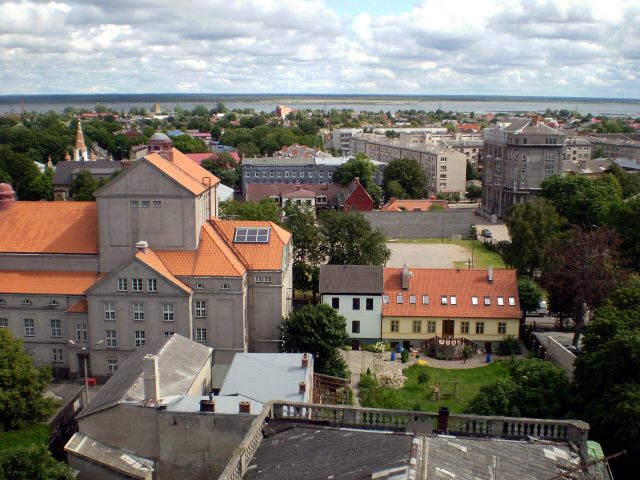
Liepāja is a city of contrasts, and St. Anne’s sits at the heart of them. Just a short walk away, the market street sells fresh Baltic herring and handmade crafts, while the harbor sees ships coming and going. Yet the church is surrounded by quieter corners—narrow alleys, hidden courtyards, and old wooden houses where the descendants of the merchants and craftsmen who built it still live. It’s a place where the industrial grit of the port meets the faded elegance of the old town, where military history brushes up against everyday life.
Visiting St. Anne’s isn’t just about admiring its architecture. It’s about understanding Liepāja itself—a city shaped by trade, war, and the sea. The church is one of those rare places where you can feel the layers of time, where the echoes of Latin prayers, German hymns, and Latvian folk songs seem to linger in the air. It’s a reminder that history isn’t just something that happened; it’s something that’s still happening, in the way the light falls through the stained glass, in the creak of the wooden pews, in the way the wind off the Baltic finds its way through the old streets. Liepāja doesn’t shout its stories. It lets you discover them, if you’re willing to listen.