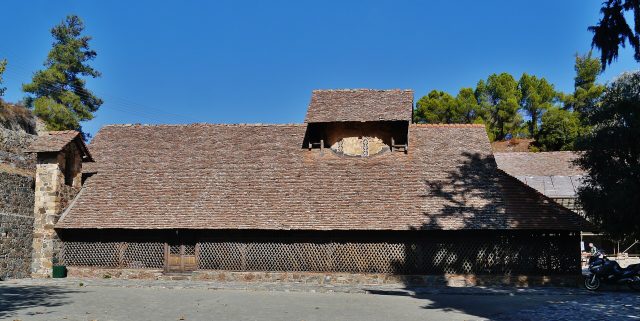
Nestled in the Troodos Mountains of Cyprus, the Church of Saint George in Lagoudera feels like a quiet secret tucked away from the bustle of coastal towns. Built in the late 12th century, it stands as one of the island’s most remarkable examples of Byzantine art and architecture, a testament to the era when Cyprus was a crossroads of empires and faiths. The church is small, almost unassuming from the outside, with its stone walls blending into the surrounding hills. Yet inside, it holds a world of color and devotion, its walls covered in frescoes that have endured for centuries.
The church was constructed during the reign of the Byzantine Emperor Isaac Komnenos, a time when Cyprus was under the sway of Constantinople but also influenced by the Crusader states to the east. Its architecture reflects this duality—simple in form, with a single nave and a steep-pitched roof, yet rich in detail. The frescoes, painted in the late 12th century, are among the best-preserved in Cyprus, offering a glimpse into the religious and artistic traditions of the time. They depict scenes from the life of Christ, the Virgin Mary, and various saints, rendered in vibrant hues that still retain their intensity despite the passage of centuries.
What makes the Church of Saint George particularly special is its role in the broader history of Byzantine Cyprus. Unlike the grand cathedrals of Nicosia or the fortified monasteries of the mountains, this was a parish church, built for the local community. Its frescoes were not just decorative but instructional, meant to teach the faithful through images when literacy was rare. The artists who painted them were likely itinerant masters, traveling from one village to another, leaving behind their work as a lasting legacy. The style is a mix of Byzantine elegance and local sensibilities, with figures that are both solemn and expressive, their gestures conveying deep emotion.
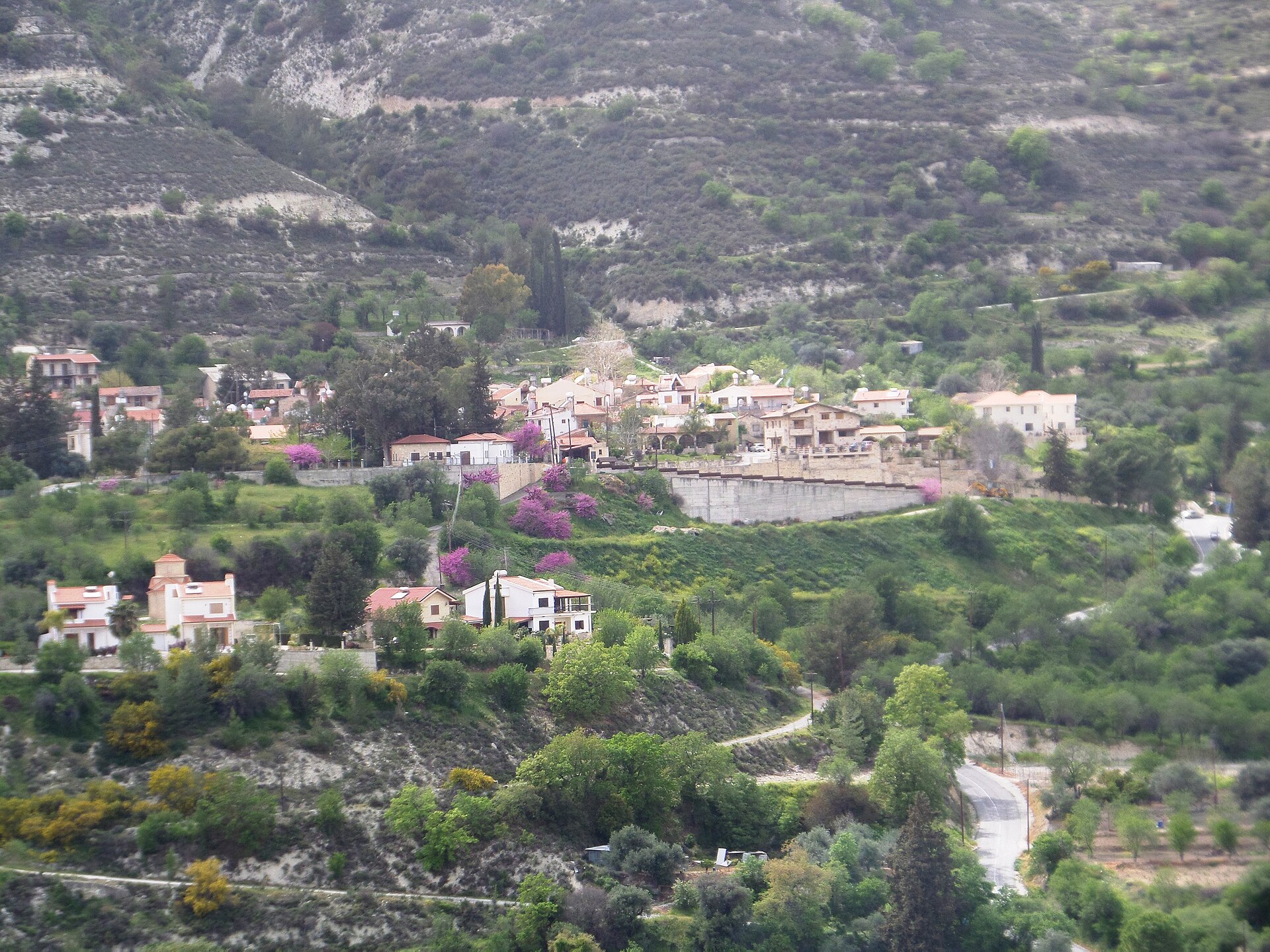
The church’s location in Lagoudera, a small village in the heart of the Troodos range, adds to its charm. The surrounding landscape is one of rolling hills, terraced vineyards, and pine forests, a stark contrast to the arid plains of the coast. In the summer, the air is cooler here, and the village feels suspended in time, its narrow streets lined with traditional stone houses. The church itself is set slightly apart from the main settlement, as if inviting visitors to step away from the present and into a quieter, older world.
Over the centuries, the Church of Saint George has seen its share of change. Cyprus has been ruled by the Lusignans, the Venetians, the Ottomans, and the British, each leaving their mark on the island. Yet the church has remained largely untouched, its frescoes surviving wars, earthquakes, and the slow march of time. In the 20th century, it was recognized as part of the UNESCO World Heritage Site of Painted Churches in the Troodos Region, a designation that has helped preserve it for future generations. Today, it stands as a rare and precious link to Cyprus’s Byzantine past, a place where history feels tangible.
Visiting the church is a quiet experience. There are no crowds, no grand entrances, just the creak of an old wooden door and the soft light filtering through narrow windows. The frescoes, though faded in places, still have the power to draw you in, their stories unfolding in layers of color and symbolism. Some scenes are familiar—Christ’s baptism, the Last Supper—while others are more obscure, their meanings lost to time. Yet even in their silence, they speak of a world where faith was woven into the fabric of daily life.
The church is also a reminder of the resilience of Cypriot culture. Despite centuries of foreign rule, the island has maintained its distinct identity, and places like Saint George’s are a part of that continuity. The frescoes, with their blend of Byzantine and local influences, reflect a culture that absorbed outside ideas while retaining its own character. The church was not just a place of worship but a center of community life, where villagers gathered for services, festivals, and moments of shared history.
For those who make the journey to Lagoudera, the Church of Saint George offers more than just a glimpse into the past. It is a place to pause, to reflect, and to appreciate the quiet beauty of a tradition that has endured. The mountains around it are dotted with other painted churches, each with its own story, but this one feels particularly intimate. Perhaps it’s the scale, or the way the light plays on the frescoes, or simply the sense of being in a place that has been loved and cared for over generations. Whatever the reason, it leaves an impression that lingers long after you’ve left.