The church stands at the edge of town, where the streets thin into rolling hills. The hum of the copper mines lingers in the distance, but here, it’s quieter. Few tourists come—no postcards feature its modest silhouette—but those who do find something unexpected: a place where time moves differently.
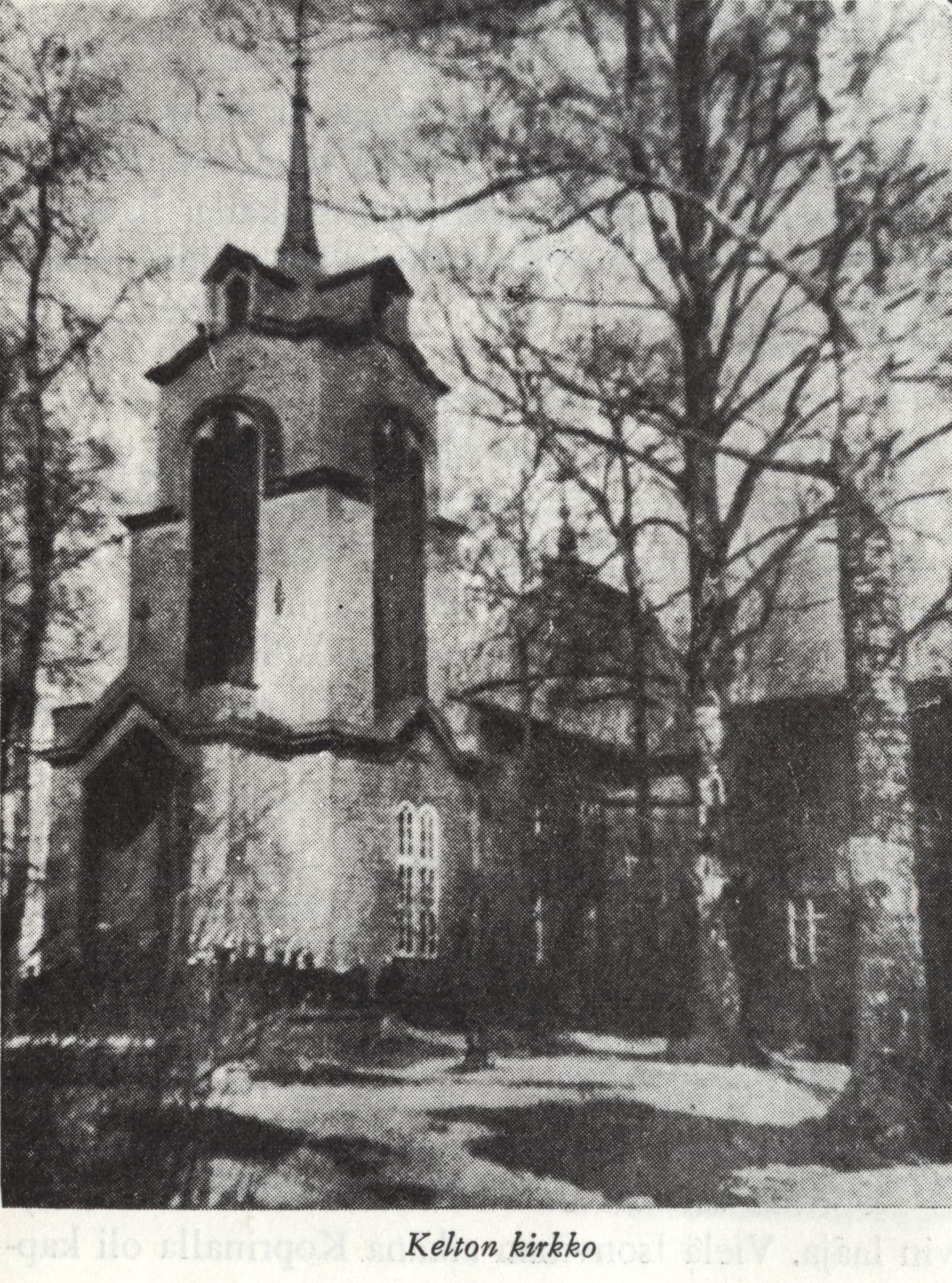
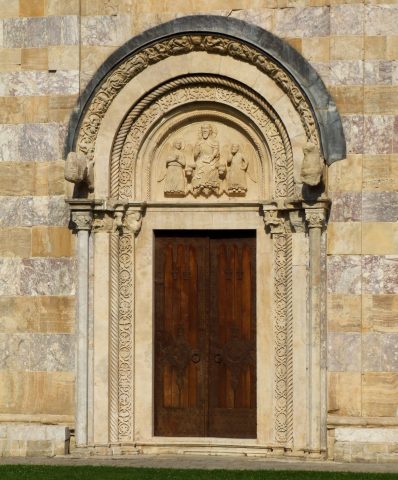
The building dates to the early 1900s, its design rooted in Serbian Orthodox tradition. Unlike the grand monasteries of the Morava Valley or the frescoed walls of Studenica, this is a simple single-nave basilica. Whitewashed walls, a low bell tower, and weathered icons mark the entrance, their colors faded by sun and rain. Inside, wooden pews line a central aisle leading to the iconostasis, where saints and biblical scenes watch in muted tones.
What matters here isn’t age or scale, but the role the church has played. Bor grew around its copper mines, drawing workers from across the Balkans. Many were Orthodox Christians, and as the community expanded, so did the need for a place to gather. The church became that place—a religious center, yes, but also a meeting point for people far from home. Even now, it remains a quiet constant in a town shaped by economic shifts.
The air inside is thick with beeswax and incense. The iconostasis, though not ornate, is well-kept, its icons painted in the traditional style. The saints’ faces are serene, almost lifelike, as if they’ve witnessed generations of worshippers. On feast days, the space fills with chanting and candlelight. On ordinary days, it’s still—just the quiet hum of a place that has seen centuries pass.
Bor is a town of contrasts. The copper mines, once a source of prosperity, now stand as reminders of industry’s cost. The landscape around them is rugged, reclaimed by nature in patches. The church doesn’t turn away from this history, nor does it define itself by it. Instead, it offers something else: a perspective rooted in faith and daily rhythms.
There are no guided tours here, no gift shops. What you’ll find is a sense of authenticity. If you’re lucky, you might meet a local lighting a candle or saying a prayer. They might tell you how the church nearly vanished during the 1990s wars, or how it was saved by those who refused to let it disappear.
The churchyard is small, with a few benches. From here, you can see the town below—the smokestacks of the mines in the distance. It’s a view that speaks of resilience, of a community that has endured hardship and still finds moments of peace.
The Church of Saint George isn’t about grandeur. It’s about the quiet strength of faith and the bonds that hold a place together.
If you’re passing through Bor, stop. The church doesn’t ask for attention, but it gives something in return. Whether you come for the history, the architecture, or just a moment of silence, it offers a different kind of travel—one that’s less about seeing and more about feeling. In a world that moves too fast, places like this remind us to slow down, to listen to the stories that aren’t in guidebooks. This is one of them.