The monastic complex of Visoki Dečani’s metochion stands on the edge of Bor, a short distance from the town center. This outpost in eastern Serbia preserves the traditions of the main monastery in Kosovo, founded in the 14th century by King Stefan Dečanski. The Bor metochion is smaller, but its purpose is the same: to maintain the monastery’s presence beyond its original walls.
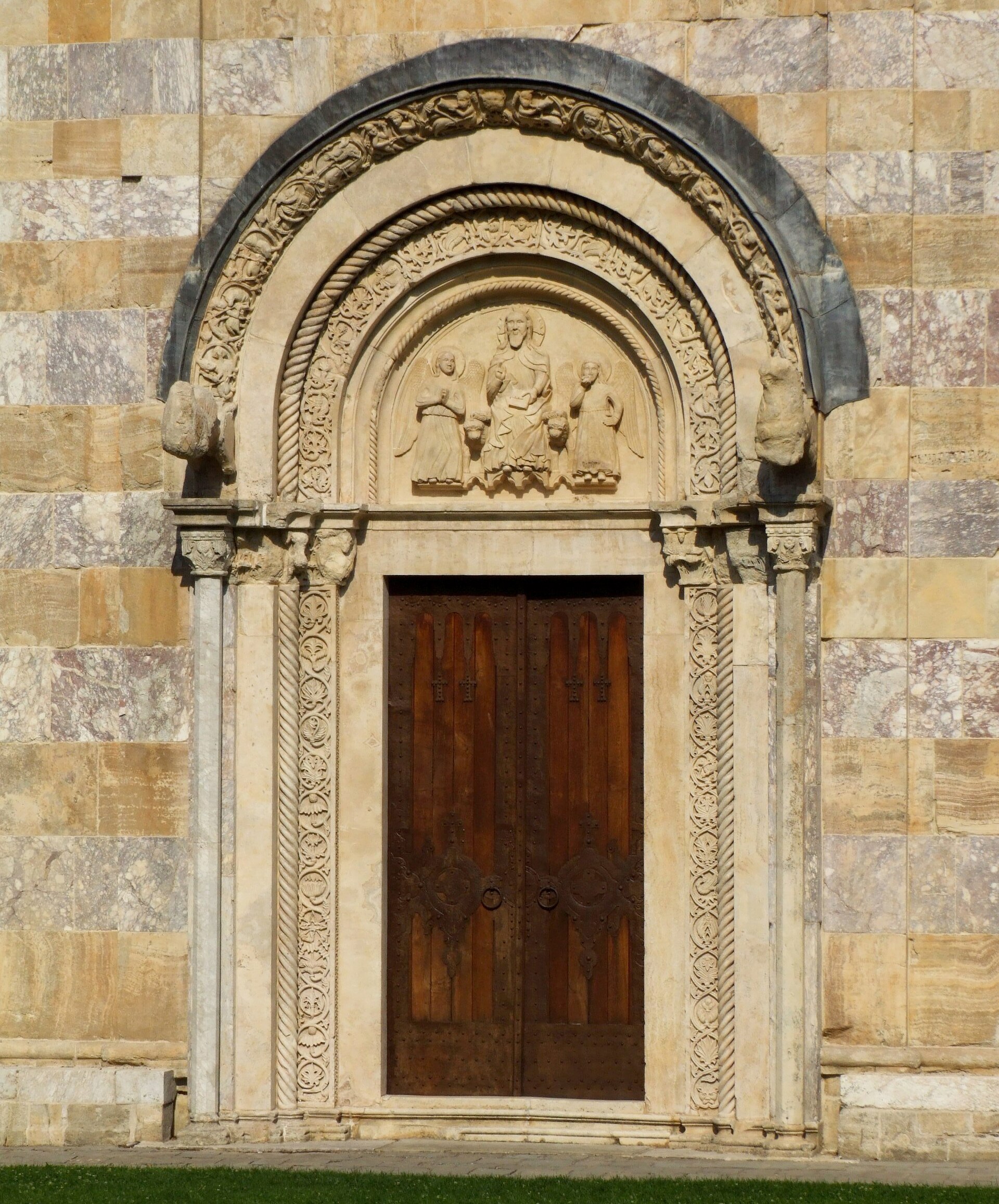
The metochion’s buildings follow the Byzantine style of the parent monastery. Thick stone walls, arched windows, and a single-domed church define the architecture. Inside, the church holds icons and religious texts used in daily services. The monks live in adjacent quarters, where they pray, work, and receive visitors.
The place is quiet. Pine trees grow in the courtyard, and the only sounds are the wind and the occasional chant from the church. There are no crowds, no guided tours—just the routine of monastic life. The monks rise early, pray, and tend to the grounds. Visitors can walk the paths, sit on the benches, or light a candle in the church.
The metochion serves the local community in simple ways. Some come for religious holidays, others to ask for blessings or advice. The monks do not preach or seek converts; they live as they have for centuries. Respect is expected—modest clothing, quiet voices, no photography inside the church.
The main monastery in Kosovo, Visoki Dečani, is a UNESCO site, famous for its frescoes. The Bor metochion has no frescoes, but it shares the same history. The monks here know the stories: how the monastery survived wars, how it became a symbol of Serbian Orthodox faith. They will tell them if asked, but they do not insist.
Bor is an industrial town, but the metochion sits apart from it. The hills around are low and green, the air cleaner. It is not a dramatic landscape, but it is peaceful. For those who stay, the quiet becomes familiar.
Visiting requires no preparation. Arrive during daylight, and someone will answer the gate. The monks may not speak English, but they understand gestures. If you come during a service, you can stand at the back and listen. If you come at mealtime, you might be offered bread and tea. There is no guarantee, but it happens.
This place does not ask for attention. It does not need to. The monks live as they always have, and the metochion remains what it has always been—a refuge, a reminder, a piece of history still alive.