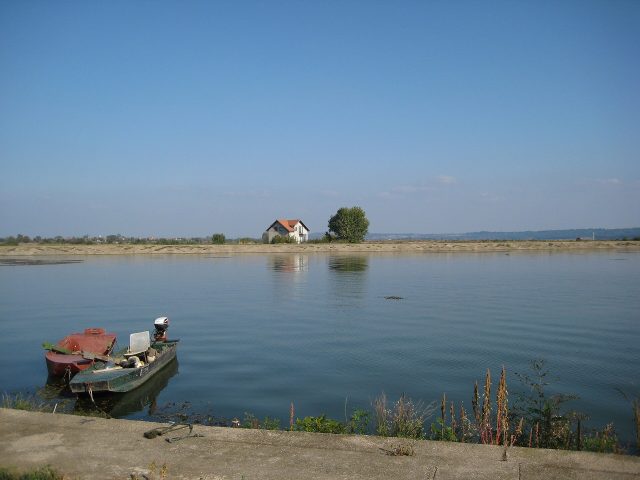
The Đerdap Gorge is one of those rare places where the Danube reveals its wildest, most untamed side. Stretching along Serbia’s border with Romania, this dramatic stretch of river cuts through the Carpathian Mountains, creating a landscape of sheer cliffs, deep gorges, and swirling currents that shift with every bend. The water here is never still—sometimes narrowing into foaming rapids, other times widening into vast, mirror-like expanses that reflect the forested slopes above. It’s a place where the river feels alive, shaping the land as much as the land shapes it, and where every turn offers a new perspective, from jagged rock faces to secluded coves where few venture.
For centuries, the Danube has been both a lifeline and a barrier in this region. The Romans recognized its strategic importance, building fortresses along its banks to guard the empire’s frontier. Later, it became a vital trade route, carrying goods between Europe and the East, while also serving as a natural divide between kingdoms and empires. Over time, control of these lands passed from Hungarian kings to Ottoman sultans, each leaving their mark on the architecture and culture of the area. The river’s history is written into the very cliffs that rise above it, a silent witness to the rise and fall of civilizations.
One of the most striking remnants of that past is Golubac Fortress, perched on a rocky outcrop overlooking the Danube. Built in the 14th century, its thick walls and towers still stand defiantly, a testament to the many battles fought over this stretch of river. The fortress changed hands countless times—Serbs, Hungarians, Turks, and Austrians all claimed it at different points, each adding their own modifications to its design. Today, it’s one of the best-preserved medieval strongholds in the Balkans, and climbing its ramparts offers a sweeping view of the Danube at its most majestic. On clear days, the opposite shore, belonging to Romania, is visible in the distance, a reminder of how this river has always connected—and divided—people.
But Đerdap is more than just a historical site. In 1974, much of the gorge was designated a national park to protect its unique ecosystems and landscapes. Covering over 600 square kilometers, the park encompasses not only the dramatic cliffs and gorges but also dense forests, meadows, and wetlands. It’s home to brown bears, lynxes, and rare birds like the white-tailed eagle, many of which are now endangered. Hiking trails wind through the park, leading to viewpoints, waterfalls, and caves, offering a chance to experience the wilderness up close. The sheer scale of the landscape makes it easy to feel small in the best possible way—like stepping into a world where nature still sets the rules.
One of the most famous features of the gorge is the Great Kazan, a narrow section where the Danube squeezes through a gap just 150 meters wide, plunging to depths of nearly 90 meters. The water here churns violently, creating whirlpools and rapids that once struck fear into the hearts of sailors. Ancient legends spoke of monsters lurking in these depths, and even today, the power of the current is undeniable. Boat tours depart from nearby villages, offering a thrilling way to experience the gorge from the water. There’s something almost primal about gliding through this stretch of river, where the cliffs loom overhead and the water roars with a force that feels timeless.
The human history of Đerdap stretches back even further than the medieval fortresses. Nearby, the archaeological site of Lepenski Vir offers a glimpse into life along the Danube over 8,000 years ago. Discovered in the 1960s, this Mesolithic settlement reveals the remains of circular stone houses and intricately carved sculptures—some of the earliest known examples of monumental art in Europe. The figures, with their exaggerated features, hint at a complex spiritual life, suggesting that the river was not just a source of food but also a source of inspiration for these early communities. It’s a humbling reminder that people have been drawn to this place for millennia, long before empires rose and fell.
Today, Đerdap is a place where the past and present coexist in quiet harmony. You can spend a morning exploring the ruins of Golubac Fortress, then hike through the national park in the afternoon, or take a boat ride through the gorge as the sun sets over the water. The villages along the riverbank still live by the rhythms of the Danube, with locals fishing, tending vineyards, and serving fresh river fish and homemade wine in small taverns. There’s a sense of timelessness here, as if the modern world hasn’t quite caught up with this corner of Serbia. The pace is slower, the air cleaner, and the landscapes so vast that it’s easy to forget the noise of cities.
What makes Đerdap special is its refusal to conform to expectations. It’s not a polished tourist destination, nor does it try to be. Instead, it offers something far more valuable: authenticity. The gorge doesn’t need grand narratives or flashy attractions—its beauty lies in its raw, unfiltered existence. Whether you’re drawn by the history, the wildlife, or simply the chance to stand on a cliff and watch the Danube rush by, there’s a sense that this place has always been here, and always will be. It’s a reminder that some landscapes are too powerful to be tamed, and that’s exactly what makes them worth experiencing.