Bor’s city park hides off the main streets. It doesn’t shout for attention, but the longer you stay, the more it feels like a small green island in a town built on copper and industry. The park isn’t large, yet its layout creates space—gravel paths wind between mature trees, benches sit far enough apart for solitude, and patches of grass invite you to sit without ceremony. Locals come here to escape the noise of mines and traffic, to walk dogs, or to watch the light shift through the leaves as afternoon fades.
The park’s history mirrors the town’s. Bor grew around its copper mines in the early 1900s, and the park likely appeared soon after, when the first workers and engineers settled. It wasn’t designed to impress—just a practical place for rest, a small nod to the idea that even in a town of extraction, people needed green. Over the decades, the trees grew tall, their roots stretching deep, while the town around them expanded. Generations of miners, students, and families passed through, each leaving their quiet mark.
What stands out is how unremarkable it all feels. There are no monuments, no grand fountains, no manicured flowerbeds. Instead, the park moves to the rhythm of daily life. In the mornings, older men play chess or talk football on the benches, their voices mixing with the rustle of leaves. Children ride bikes along the paths, their laughter breaking the stillness. On weekends, families spread blankets under linden trees for picnics. The park doesn’t pretend to be more than it is—a simple space where life unfolds at its own pace.
The trees tell their own story. Many were planted in the park’s early years, some now over a century old. Oaks, maples, and chestnuts tower overhead, forming a dense summer canopy. In autumn, the ground turns golden, the air thick with the scent of decaying leaves. Winter strips the trees bare, their silhouettes stark against the sky. Spring brings a sudden burst of green, defiant in a town shaped by industry. The vegetation thrives despite dust and occasional neglect.
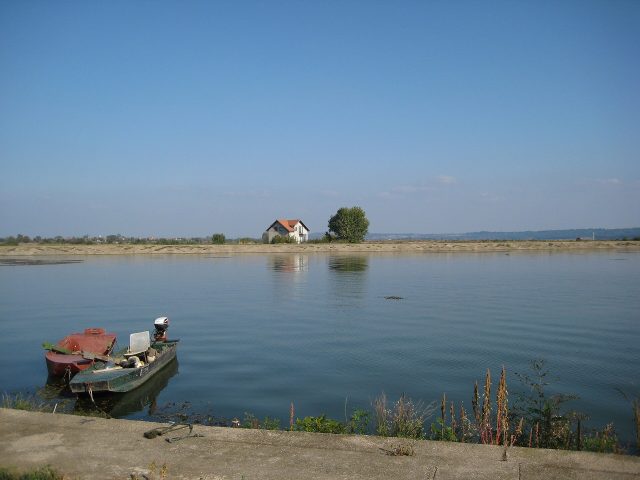
A small pond sits near the center, its surface calm, reflecting the sky and trees. Ducks glide across it in summer, dragonflies dart above the reeds. Children wade at the edges, while others sit on the low stone wall, watching the light play on the water. It’s one of those details that makes the park feel lived-in, like a shared backyard.
The park’s edges blur into the town. A low fence separates it from a schoolyard, where recess spills over. Nearby cafés and shops face the trees, their terraces offering views of the green. This closeness to everyday life makes the park feel natural. It’s not a destination but part of the town’s fabric, where public and private, work and leisure, blend comfortably.
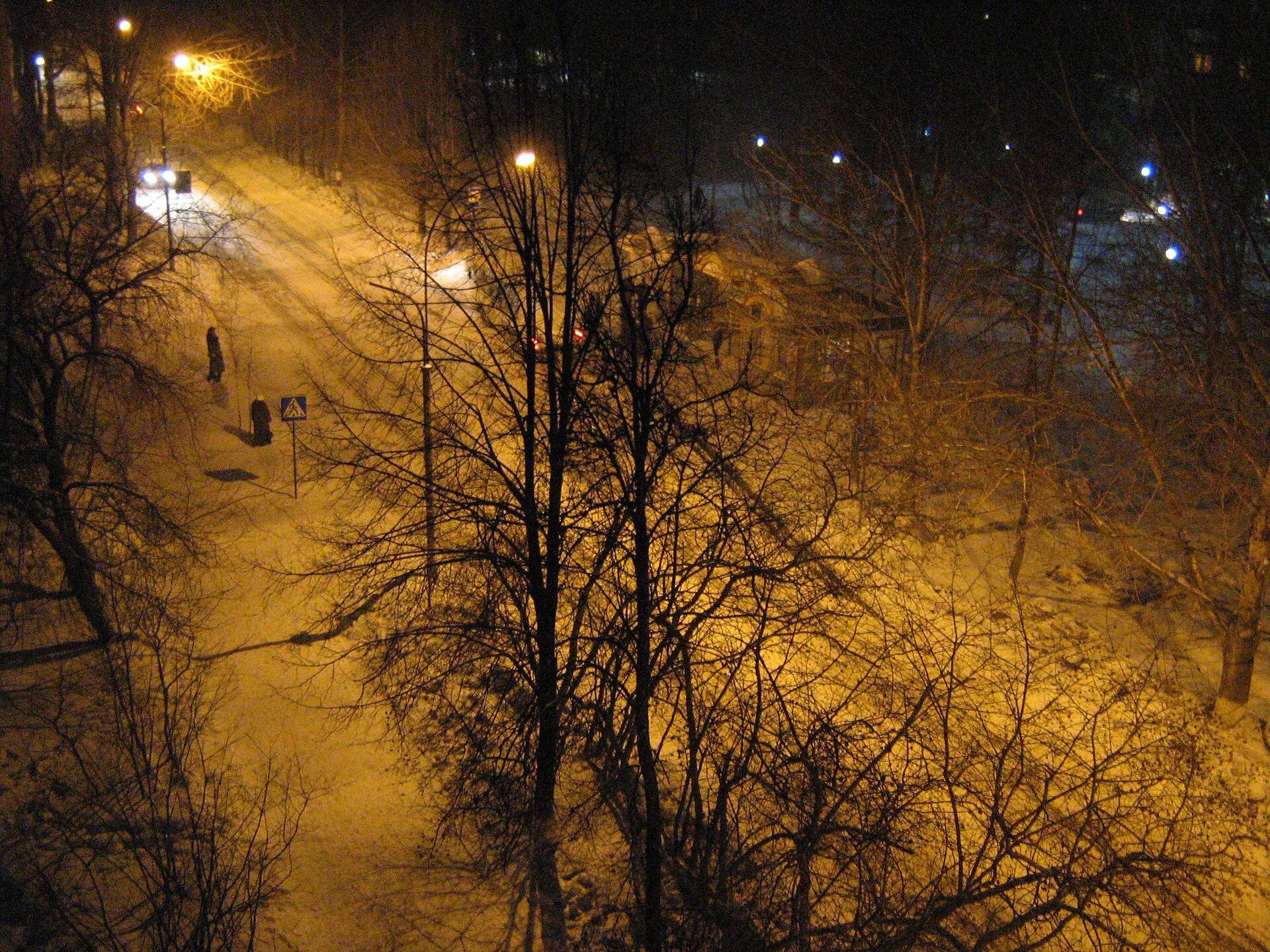
Evenings change the park’s mood. Old-fashioned streetlamps cast long shadows along the paths. Couples walk arm in arm, teenagers gather on benches, their conversations drifting into the night. The air cools, the scent of trees mixing with smoke from nearby chimneys. There’s a quiet anticipation, as if the park holds its breath before the town settles into sleep. These moments, when the day winds down and the park belongs to those who linger, reveal its charm.
Bor’s city park won’t appear on postcards. That’s why it matters. It’s a reminder that beauty doesn’t need drama or curation. Sometimes, it’s just a patch of green where people sit and watch the world go by, where past and present coexist without fanfare. The park asks little—only that you slow down enough to notice the light through the leaves, the sound of footsteps on gravel, the quiet hum of life around you. In a town shaped by industry, that’s enough.