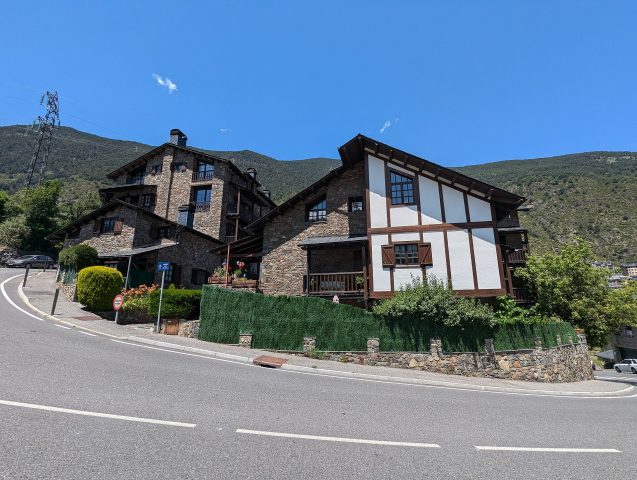
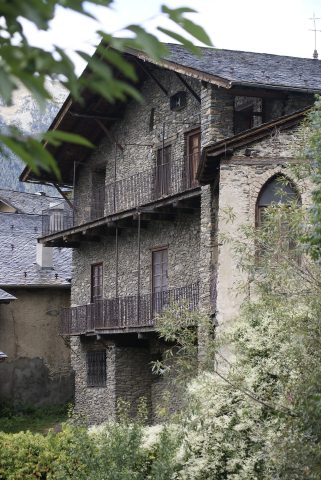
Nestled in the Pyrenees, where the mountains rise sharply from the valley floor, the small village of El Serrat feels like a place time has gently overlooked. Here, among the scattered stone houses and winding paths, stands the church of Sant Pere del Serrat—a quiet witness to centuries of life in Andorra’s highlands. Unlike the grand cathedrals of Europe’s cities, this church is modest in size, but its presence is deeply rooted in the landscape, as if it grew from the very rock beneath it.
The origins of Sant Pere del Serrat stretch back to the Romanesque period, though the exact date of its construction remains uncertain. What is clear is that it was built during a time when the Pyrenees were not just a natural barrier but a crossroads of cultures, trade, and faith. The church’s simple, sturdy design reflects the practical needs of mountain communities—built to endure harsh winters, heavy snowfall, and the slow passage of time. Its thick stone walls and small, narrow windows are typical of Romanesque architecture, designed more for shelter than for grandeur.
Inside, the church is just as unassuming. The space is small, with a single nave leading to a semicircular apse, where the altar stands. The walls are bare stone, unadorned except for the faint traces of frescoes that once covered them. Over the centuries, these paintings have faded, leaving only fragments of color and pattern—a reminder of how even the most carefully preserved places change with time. The wooden beams of the ceiling, darkened by age, add a warmth to the otherwise austere interior, as if the church has absorbed the quiet lives of those who have prayed here.
One of the most striking features of Sant Pere del Serrat is its bell tower, which rises slightly apart from the main structure. Unlike the tall, slender spires of Gothic churches, this tower is squat and square, built to withstand the winds that howl down from the surrounding peaks. The bells, though few, have rung out over the valley for generations, marking the hours, calling the faithful to prayer, and signaling important moments in the life of the village. Even today, their sound carries across the slopes, blending with the rustle of pine trees and the distant rush of mountain streams.
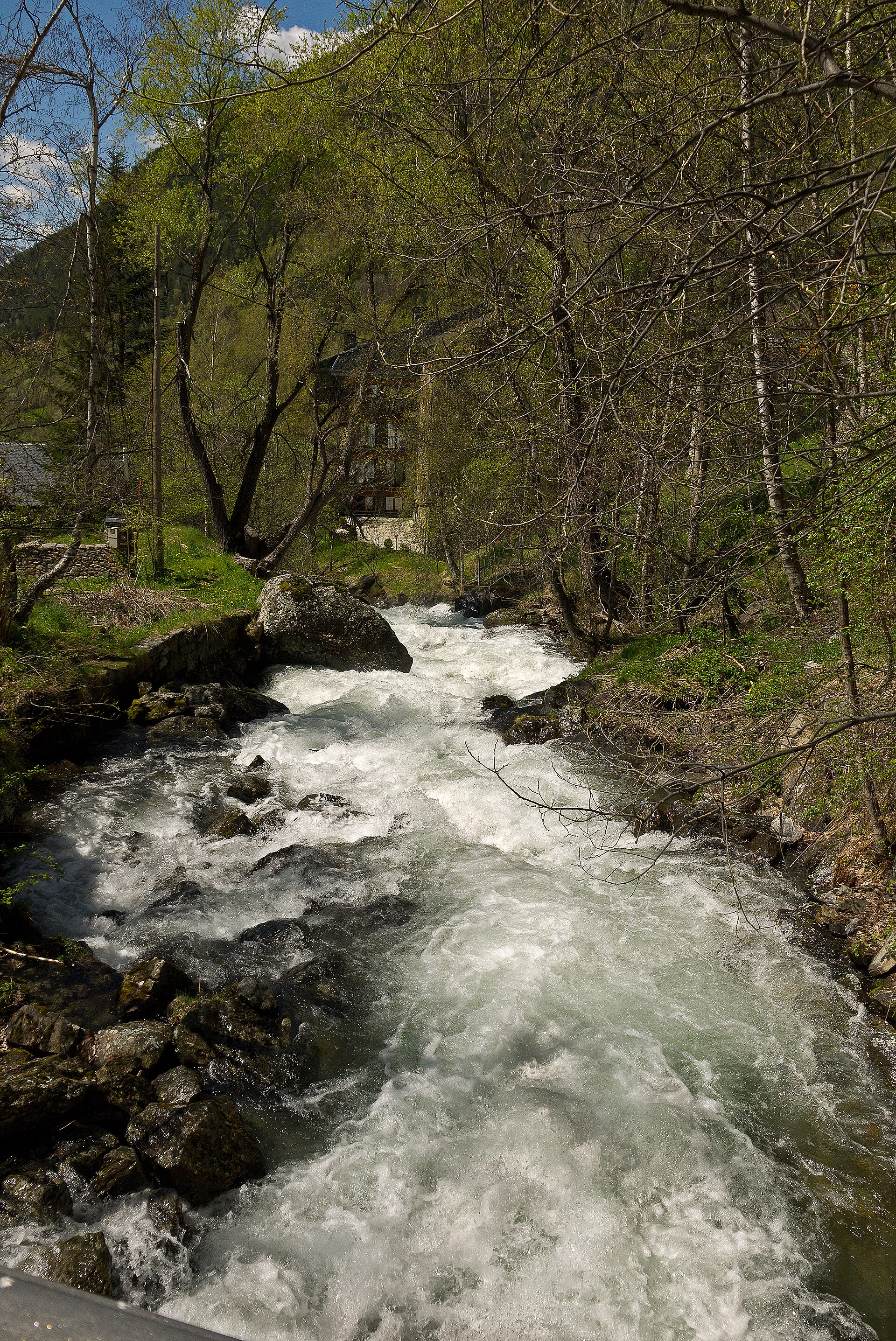
The church’s location is no accident. El Serrat sits at the confluence of two small rivers, the Riu del Pla de l’Estany and the Riu de Sorteny, which have shaped the land and the lives of those who settled here. In the past, this area was a hub for shepherds moving their flocks between summer pastures in the high mountains and winter shelters in the valleys. Sant Pere del Serrat would have been a place of rest and reflection for these travelers, a fixed point in a landscape that was otherwise in constant motion. The church’s position, slightly elevated above the village, also offers a sweeping view of the surrounding peaks, as if inviting those who enter to pause and take in the vastness of the mountains.
Over the centuries, the church has seen its share of change. Andorra itself has transformed from a collection of isolated valleys into a modern country, though its rural character remains strong. Sant Pere del Serrat, however, has changed little. It has survived fires, storms, and the slow erosion of time, largely because of the care of the local community. Unlike many historic buildings that are restored to a pristine, almost museum-like state, this church retains a sense of lived-in authenticity. The stone steps are worn smooth by generations of footsteps, the wooden door creaks with age, and the air inside carries the faint scent of wax and old wood.
Visiting Sant Pere del Serrat is not about ticking off a famous landmark or admiring a masterpiece of architecture. It’s about stepping into a place where history feels tangible, where the past is not just remembered but still present. The church is usually open, though there are no set hours or entrance fees—just a simple invitation to enter, sit, and listen to the silence. On a clear day, the light streaming through the small windows casts long shadows across the stone floor, while outside, the mountains stand as they have for millennia, unchanged and unchanging.
For those who come to El Serrat, whether to hike the nearby trails, explore the Sorteny Valley Natural Park, or simply escape the noise of the modern world, the church offers a moment of stillness. It’s a place where the rhythm of life slows down, where the weight of centuries can be felt in the cool touch of the stone walls. There are no crowds here, no grand ceremonies—just the quiet hum of the village and the occasional chime of the bells. In a world that often feels rushed and disconnected, Sant Pere del Serrat stands as a reminder of the enduring power of simplicity, faith, and the land itself.